
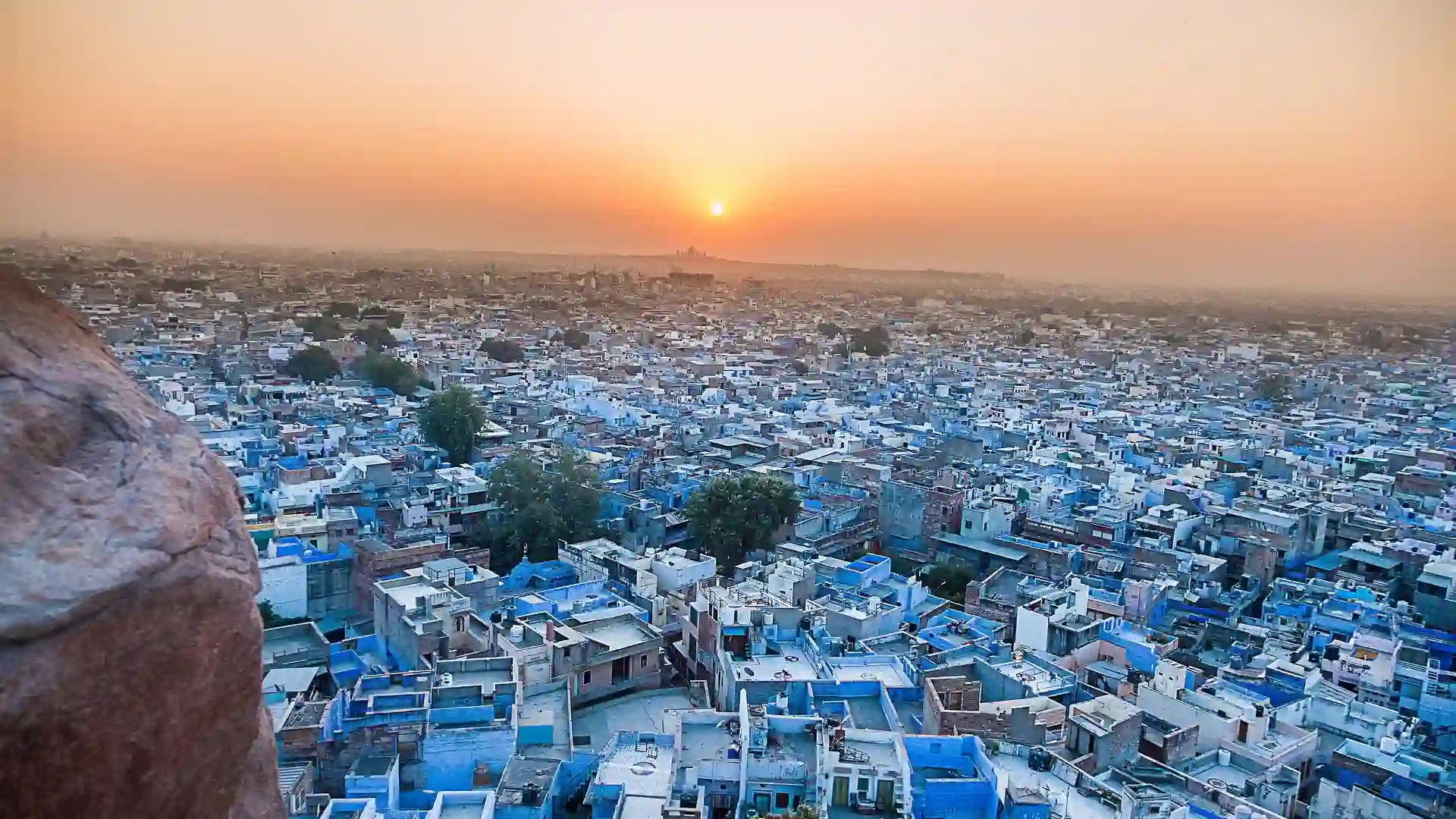
India is often described as a land of colors, where every city seems to have its own personality, charm, and story to tell. Among these vibrant destinations, one question always stands out in travelers’ minds: which city is known as blue city? The answer takes you to Rajasthan, where the golden desert meets the royal past. This magical place is Jodhpur, a city that gleams in countless shades of blue and holds centuries of heritage, pride, and timeless beauty.
Introduction to the Blue City of India
If you’ve ever found yourself wondering which city is known as blue city, imagine a town where every turn reveals walls painted in soft hues of blue, narrow streets filled with stories, and a fort that watches protectively from above. That’s Jodhpur, the Blue City of India. Located in western Rajasthan, this royal destination perfectly blends culture, history, and hospitality, offering an experience that feels both peaceful and powerful.
The City That Glows in Blue – Jodhpur
So, which city is known as blue city? It is Jodhpur, the second-largest city in Rajasthan and one of the most enchanting places in India. Founded by Rao Jodha in 1459, this ancient capital of the Marwar Kingdom still carries the grandeur of its royal past. What makes it stand out is the breathtaking view of its old quarters, where homes are painted in various shades of blue, forming a stunning contrast against the rugged landscape of the Thar Desert.
As you stroll through Jodhpur’s narrow lanes, you begin to feel why it is often called a city frozen in time. Every wall, every arch, and every smile seems to hold a story from centuries ago. Jodhpur isn’t just a city; it’s a living painting that captures the soul of Rajasthan.
Why is Jodhpur Called the Blue City?
When people ask which city is known as blue city and why, the explanation is as fascinating as the sight itself. According to local tradition, the blue color was first adopted by Brahmins, the priestly community, to mark their homes as sacred. Over time, others followed this practice, and the entire city slowly transformed into a sea of blue.
There’s also a practical reason behind it. The blue color, made using natural limestone and copper sulfate, helps keep homes cooler in the scorching desert climate. It also works as a natural insect repellent. So apart from its beauty, the color blue serves a purpose that has helped residents for generations. When the sun shines on these blue walls, the entire city glows like a calm ocean under the sky, making it clear why Jodhpur proudly owns the title of the Blue City.
A Glimpse into Jodhpur’s Royal Heritage
Beyond its beautiful blue streets lies a city of royal pride and remarkable history. Jodhpur was founded by Rao Jodha, a powerful Rajput ruler, as a stronghold for the Marwar Kingdom. The city’s most famous landmark, Mehrangarh Fort, was built on a hill nearly 400 feet above the town. From here, you can look down and see the breathtaking sight that answers which city is known as blue city thousands of blue-painted houses spread across the horizon.
Mehrangarh Fort is a masterpiece of Rajput architecture. Its grand gateways, intricate carvings, and historical artifacts tell stories of valor, art, and cultural richness. Every corner of the fort feels alive with echoes of the past, while the view from the top reminds you why Jodhpur remains one of the most captivating cities in India.
Top Attractions in the Blue City
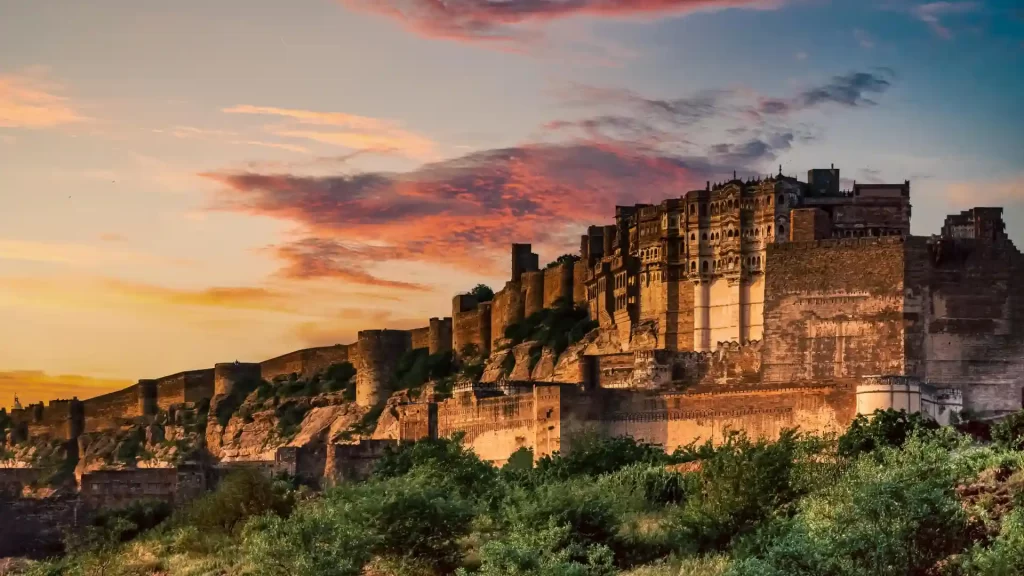
Anyone who comes searching for which city is known as blue city soon realizes that Jodhpur offers much more than just color. The city is full of experiences waiting to be discovered.
Mehrangarh Fort
The heart of Jodhpur and a must-see for every traveler. Standing tall and proud, this fort gives you the best panoramic view of the Blue City below. Its museum houses royal costumes, old weapons, and historical paintings that capture the essence of Marwar’s glory.
Jaswant Thada
Often called the “Taj Mahal of Marwar,” this marble cenotaph was built in memory of Maharaja Jaswant Singh II. Its peaceful atmosphere and detailed carvings make it an ideal spot to relax and admire the craftsmanship.
Umaid Bhawan Palace
One of the world’s largest private residences, this grand palace still houses the royal family. A part of it is now a luxury hotel and museum, showcasing royal life and vintage treasures.
Clock Tower and Sardar Market
This lively marketplace near the Clock Tower is the perfect place to shop for spices, textiles, and souvenirs. It’s where the real Jodhpur comes to life bustling, colorful, and full of charm.
Blue Streets near Mehrangarh
If you truly want to feel which city is known as blue city, wander through the narrow alleys near the fort. The vibrant blue homes, detailed doorways, and welcoming locals make this area feel like a dream come true.
The Culture and Lifestyle of Jodhpur
Jodhpur’s culture is as rich as its color. The people here are known for their warmth, humility, and pride in their heritage. Festivals like Gangaur, Holi, and the Marwar Festival bring the city alive with folk songs, dance, and traditional attire. When you think about which city is known as blue city, it’s not just about the color of the walls it’s about the spirit of the people who live within them.
And of course, no trip to Jodhpur is complete without savoring its local flavors. From crispy Mirchi Bada and spicy Pyaaz Kachori to the creamy sweetness of Makhaniya Lassi, every bite here tells a story of Rajasthan’s culinary passion.
The Blue City – A Photographer’s Dream
If you’re someone who loves photography or storytelling, Jodhpur will instantly steal your heart. Travelers often come here searching for which city is known as blue city, and leave with hundreds of pictures that capture its timeless beauty. Whether it’s the contrast of bright turbans against blue walls or the warm glow of the sunset over Mehrangarh Fort, every frame feels like a work of art.
It’s no surprise that Jodhpur has been featured in several international films and photoshoots. Movies like The Dark Knight Rises and The Fall used its magical backdrop to create unforgettable visuals. Simply put, there’s no angle from which Jodhpur doesn’t look picture-perfect.
Best Time to Visit the Blue City
To enjoy which city is known as blue city at its best, plan your trip between October and March. During these months, the weather is pleasant, making it easier to explore forts, markets, and local neighborhoods. The winter air carries a festive charm, with cultural events and fairs that showcase Jodhpur’s artistic traditions. While summers can be hot, early mornings and evenings still offer mesmerizing views and peaceful walks through the blue streets.
How to Reach Jodhpur
Getting to Jodhpur is simple and well-connected.
- By Air: Jodhpur Airport connects with Delhi, Mumbai, and Jaipur through regular flights.
- By Train: The city has a major railway station linking it to most parts of India.
- By Road: Jodhpur is connected by smooth highways to other famous Rajasthan cities such as Jaipur, Udaipur, and Jaisalmer.
If you’re exploring Rajasthan, a circuit that includes Jaipur, Udaipur, and Jodhpur will give you a complete experience of the state’s royal diversity.
Stay Experience – Comfort Meets Culture
When exploring Jodhpur—the city widely known as the Blue City choosing the right place to stay can make your journey even more memorable. Heritage-style accommodations allow travelers to experience the region’s culture up close while still enjoying modern comforts. hotel grand hridey Amritsar is often highlighted for its elegant ambiance and welcoming hospitality, reflecting the charm and warmth associated with traditional Indian stays.
Travelers continuing their journey toward Amritsar can also explore spiritual and cultural landmarks such as Ram Tirath Temple Amritsar, a revered site connected with ancient heritage. Many visitors also plan their trip by considering the Aamritsar to Kartarpur Sahib distance, as the sacred corridor attracts pilgrims and travelers interested in history and faith.
Together, these experiences—from heritage-inspired stays to meaningful cultural visits capture the essence of North India’s rich traditions, heartfelt hospitality, and timeless beauty. ✨
Other Colorful Cities of Rajasthan
Once you’ve explored which city is known as blue city, you’ll realize that Rajasthan itself is a colorful mosaic of heritage towns.
- Jaipur – The Pink City: Famous for its rose-colored buildings and grand palaces.
- Jaisalmer – The Golden City: A desert marvel where the golden sand meets honey-hued forts.
- Udaipur – The White City: Known for its serene lakes and marble palaces.
- Jodhpur – The Blue City: A royal blend of tradition, art, and architectural brilliance.
Each of these cities tells a different story, but together they capture the very essence of India’s royal past.
The Meaning and Magic Behind the Color Blue
The color blue carries deep meaning in Jodhpur. It represents calmness, faith, and protection. In the midst of the hot desert, blue becomes a symbol of coolness and comfort. As you wander through the lanes, the soothing color brings a sense of peace and serenity that contrasts beautifully with the vibrancy of daily life. This is what makes which city is known as blue city more than a title it’s an experience, a feeling that stays with you long after you’ve left.
Experiencing Local Life in the Blue City
To truly understand which city is known as blue city, you need to live like a local for a day. Wake up to the gentle ring of temple bells, enjoy a cup of hot masala chai on a rooftop café, and watch the sunrise over Mehrangarh Fort. The blue neighborhoods, especially around Navchokiya, are filled with friendly locals who will welcome you with open hearts. Many families offer homestay in Jodhpur experiences, giving travelers a glimpse into authentic Rajasthani life and traditions.
Shopping in the Blue City
Shopping in Jodhpur is a joy in itself. From handcrafted leather footwear to colorful Bandhani fabrics and antique jewelry, the markets here are filled with treasures. The Clock Tower market and Nai Sarak are popular among visitors looking for souvenirs. Every product carries a touch of local artistry and culture. It’s one more reason why people fall in love with which city is known as blue city it’s not just the sights, but the stories woven into every creation.
Why Everyone Should Visit the Blue City
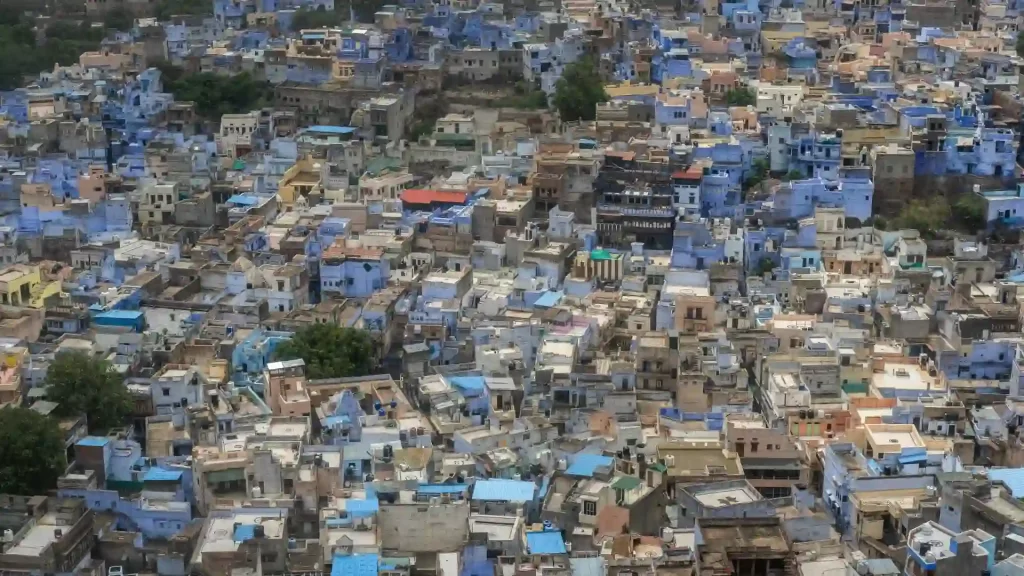
Standing on the ramparts of Mehrangarh Fort, watching the golden sun dip behind the sea of blue houses, you finally understand what makes Jodhpur so special. It’s not only about architecture or color; it’s about emotion, legacy, and the way time stands still here. Whether you’re a traveler, photographer, or dreamer, Jodhpur will speak to you in its own gentle way. If there’s one place that captures the magic of Rajasthan, it’s this one the answer to which city is known as blue city.
Conclusion
Now you know which city is known as blue city, and it’s easy to see why Jodhpur holds such a special place in people’s hearts. The blue-painted homes, grand forts, and warm people make it a destination like no other. Here, color becomes identity, and tradition meets tranquility. The city doesn’t just wear blue; it lives it.
So, when someone asks which city is known as blue city, you’ll know it’s not just Jodhpur it’s the royal heartbeat of Rajasthan, where every shade of blue tells a story worth remembering.
Reserve Your Stay
FAQs
Which city is known as Blue City in India?
The city known as Blue City in India is Jodhpur, located in the state of Rajasthan. Its old town area is filled with blue-painted houses that give it a calm and magical appearance, especially when viewed from Mehrangarh Fort.
Why is Jodhpur called the Blue City?
Jodhpur got its name as the Blue City because many of its houses are painted in shades of blue. Originally, this color was used by Brahmins to mark their homes, but over time everyone adopted it. The blue color also helps keep interiors cool and repels insects.
What are the main attractions in Jodhpur?
The top attractions in the Blue City include Mehrangarh Fort, Jaswant Thada, Umaid Bhawan Palace, the Clock Tower Market, and the blue lanes near Navchokiya. These places showcase Jodhpur’s royal heritage, culture, and unique architecture.