Places to Visit in Amritsar With Friends, being the spiritual heart of Punjab, is a turbulent mixture of history, culture, and camaraderie perfect for friends interested in a concoction of adrenaline rush and reflective thought. From the famous to the lesser-known, your ultimate guide to the best places to visit in Amritsar with friends.
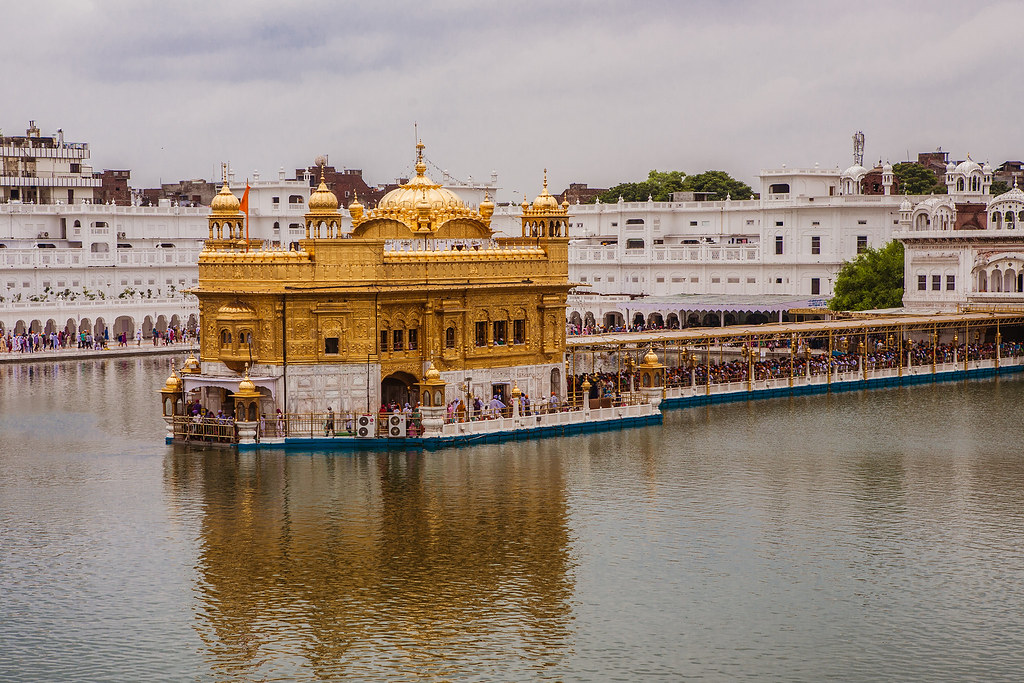
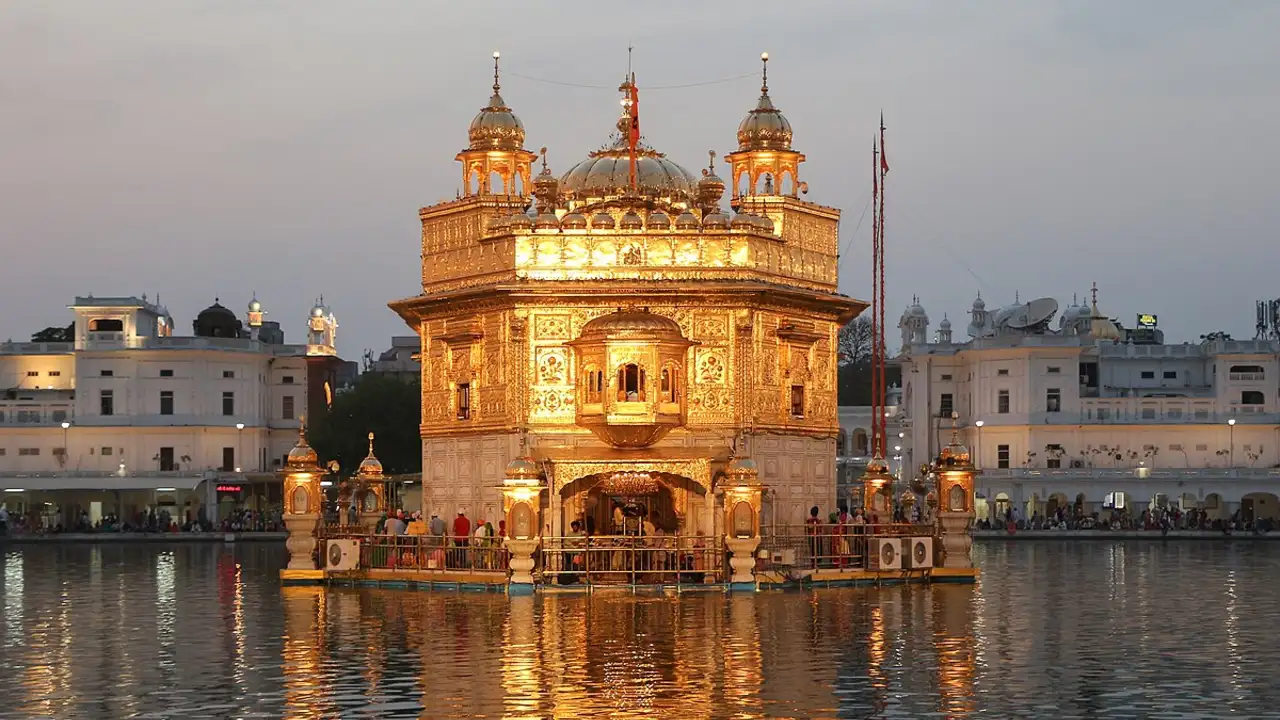
Golden Temple (Harmandir Sahib): A Spiritual Sojourn
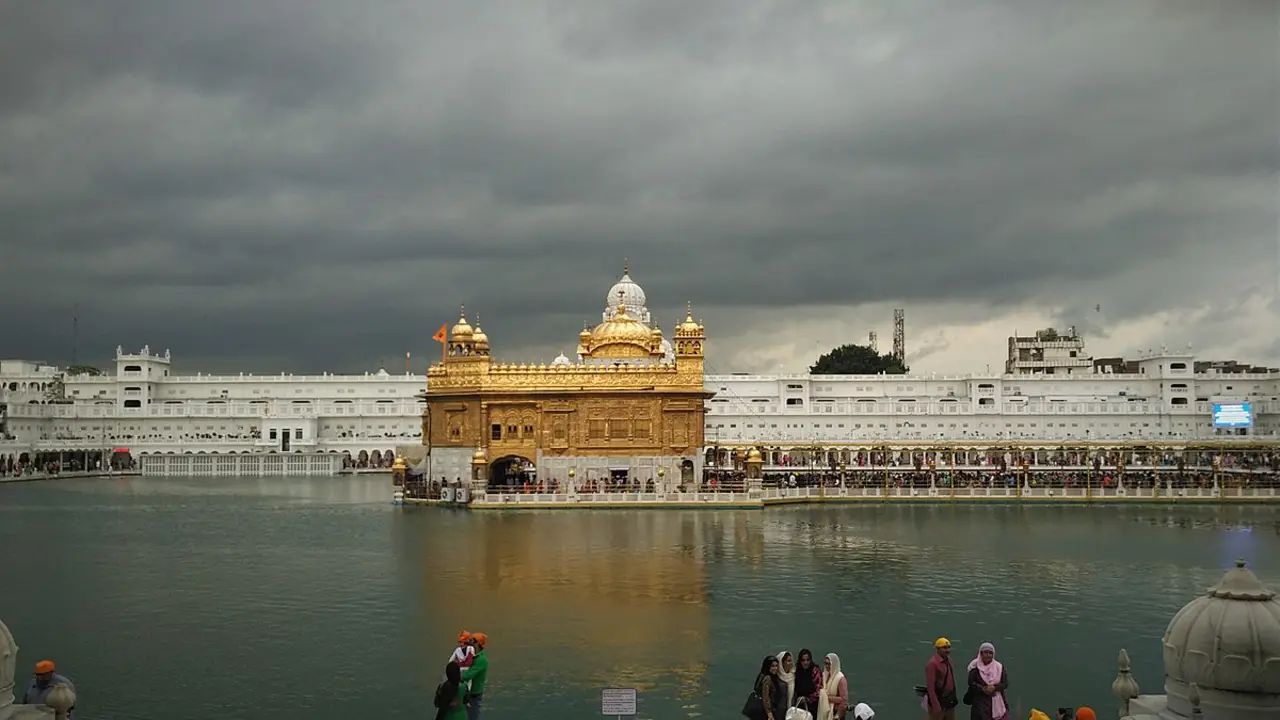
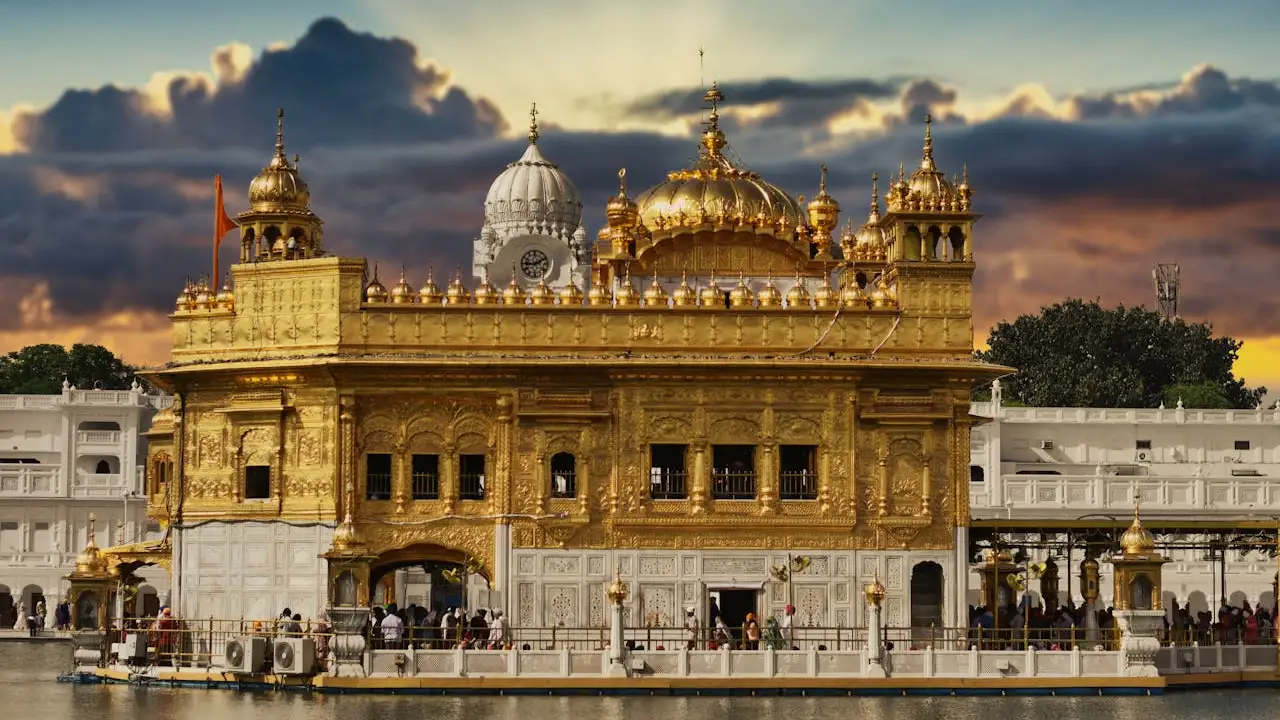
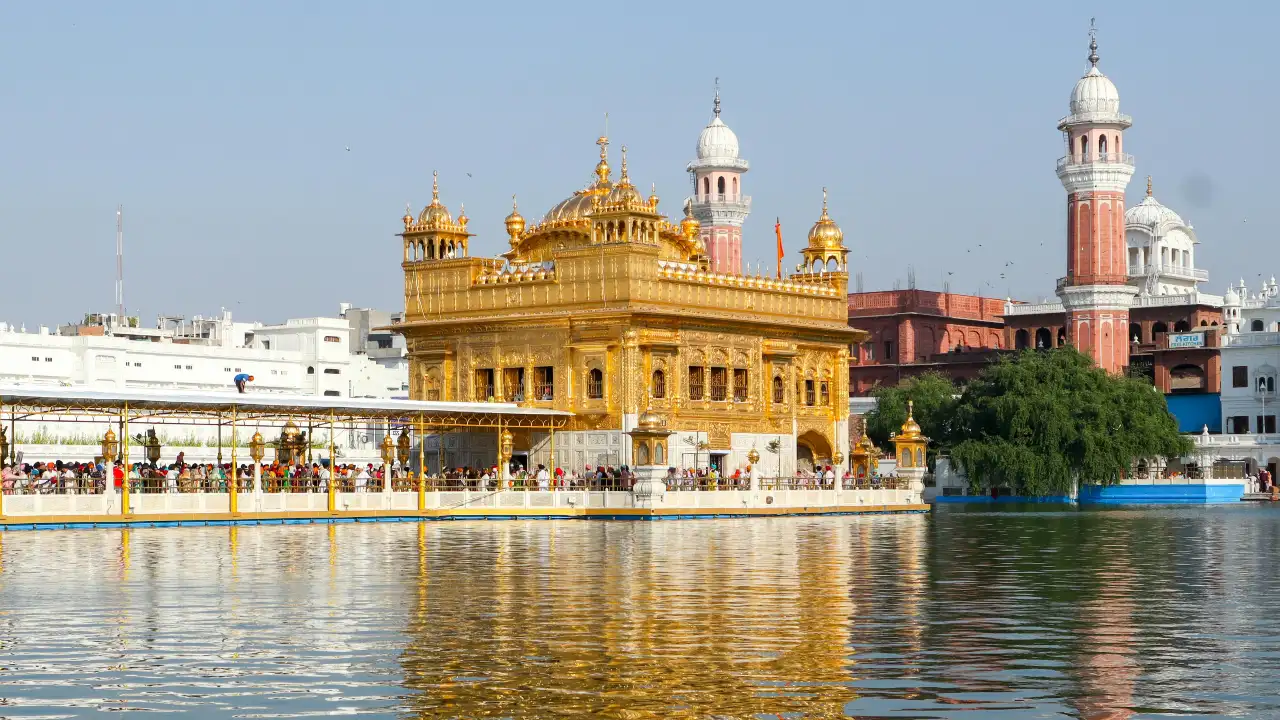
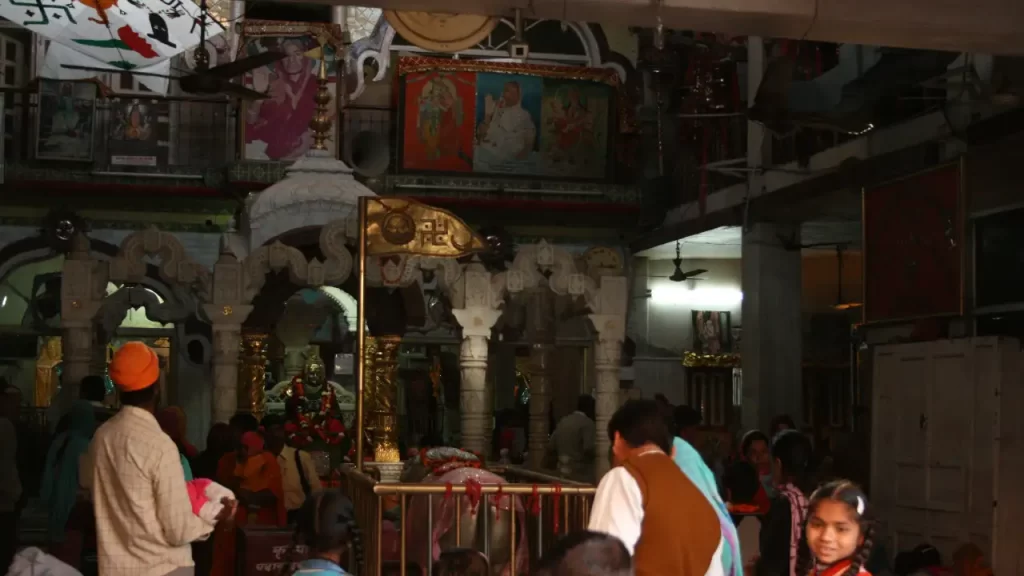
The best Places to Visit in Amritsar With Friends is the Golden Temple, this is a key reason why the city of Amritsar should be visited. Since the place hass a friendly atmosphere and lovely architecture, it is perfect for friends to meet up.
Entry Fee: Free
Timings: Open 24 hours
Highlight: Participate in the community kitchen (Langar) serving over 100,000 meals daily.
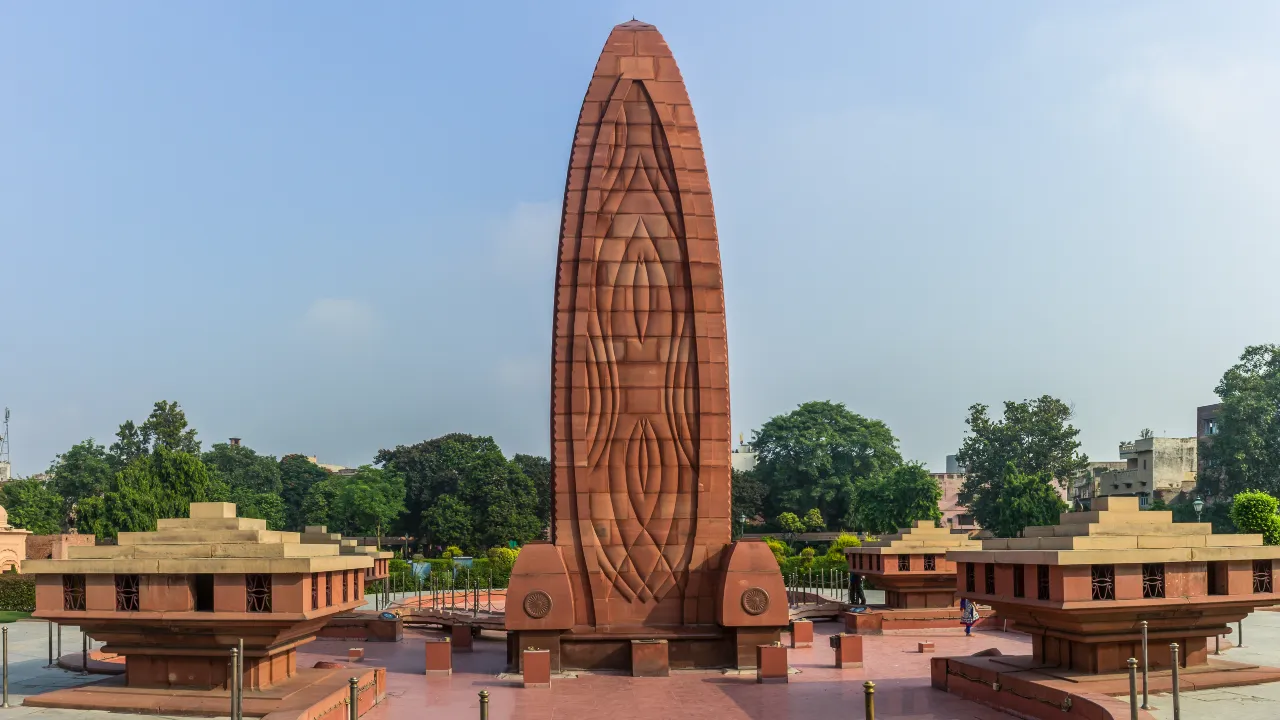
Jallianwala Bagh: A Tribute to History
Jallianwala Bagh, simply outside of the Golden Temple, is a touching symbol of India’s efforts for independence. The memorial garden was made to honor the victims of the massacre in 1919.
Entry Fee: Free
Timings: 6:30 AM – 7:30 PM
Highlight: The Martyrs’ Well and bullet marks preserved on walls.
Partition Museum: Stories of Resilience
Explore the feelings of those affected by the 1947 Partition at the Partition Museum. Family members can experience more of World War I when presented with stories, photos and related objects.
Entry Fee: ₹10 (Indians), ₹250 (Foreigners)
Timings: 10 AM – 6 PM (Closed on Mondays)
Highlight: Oral histories and interactive exhibits.
Wagah Border: Patriotic Fervor
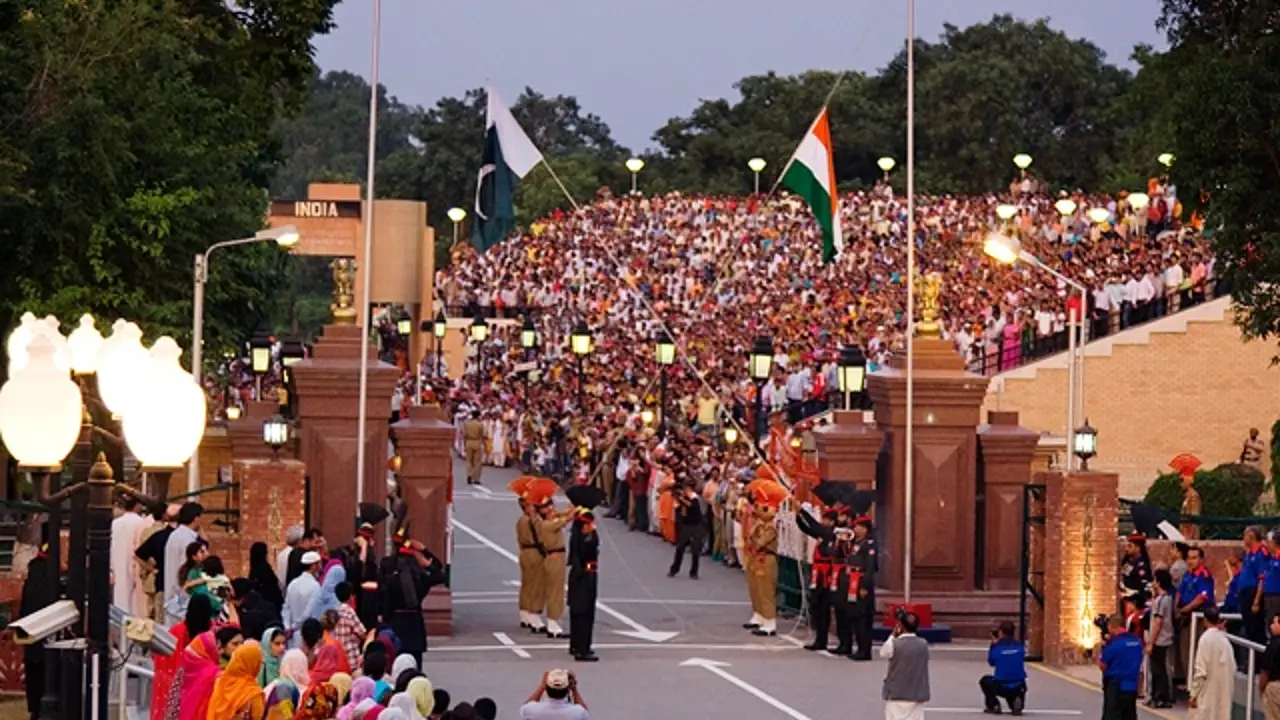
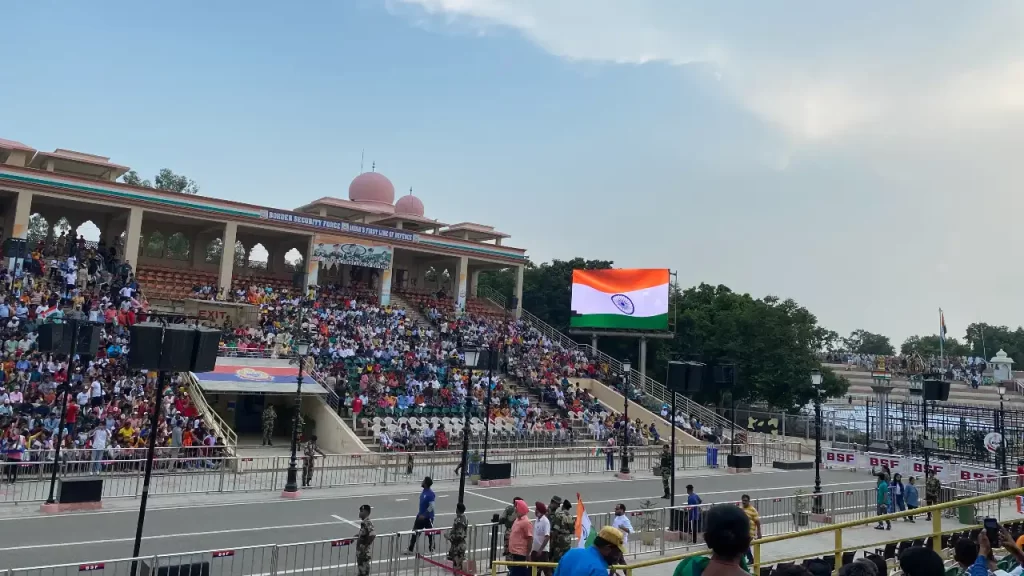
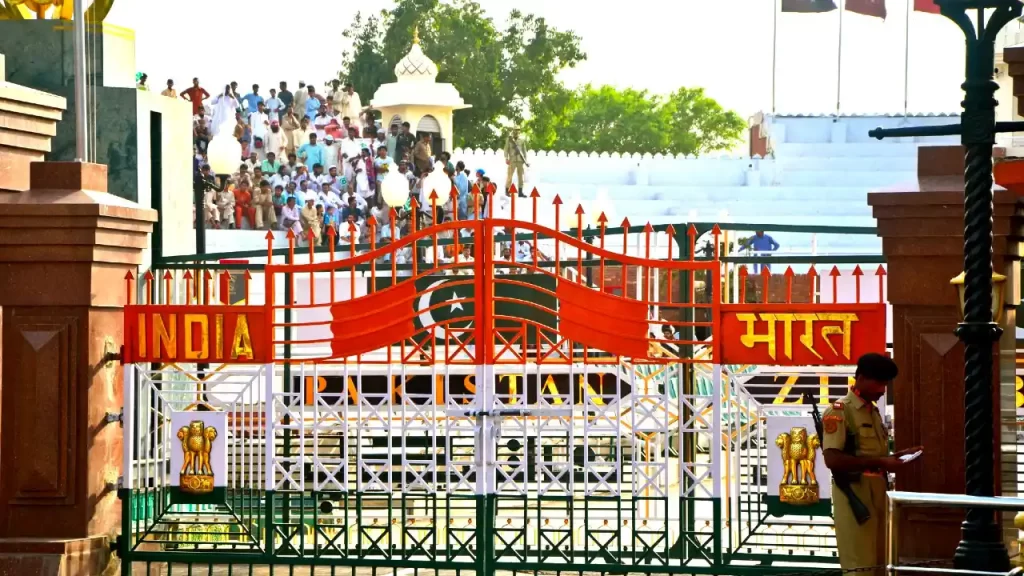
You can watch the lively Beating Retreat Ceremony at Wagah Border which is only 31 km from Amritsar. Such ceremonies and military exercises let everyone express how proud they are.
Entry Fee: Free
Timings: Ceremony starts at 4:15 PM (Winter), 5:15 PM (Summer)
Highlight: Energetic crowd participation and patriotic chants.
Gobindgarh Fort: A Blend of History and Entertainment
Once a military fort, Gobindgarh Fort now serves as a cultural hub featuring museums, live performances, and food stalls.
Entry Fee: ₹180 onwards
Timings: 10 AM – 10 PM
Highlight: 7D shows, traditional Bhangra performances, and local cuisine.
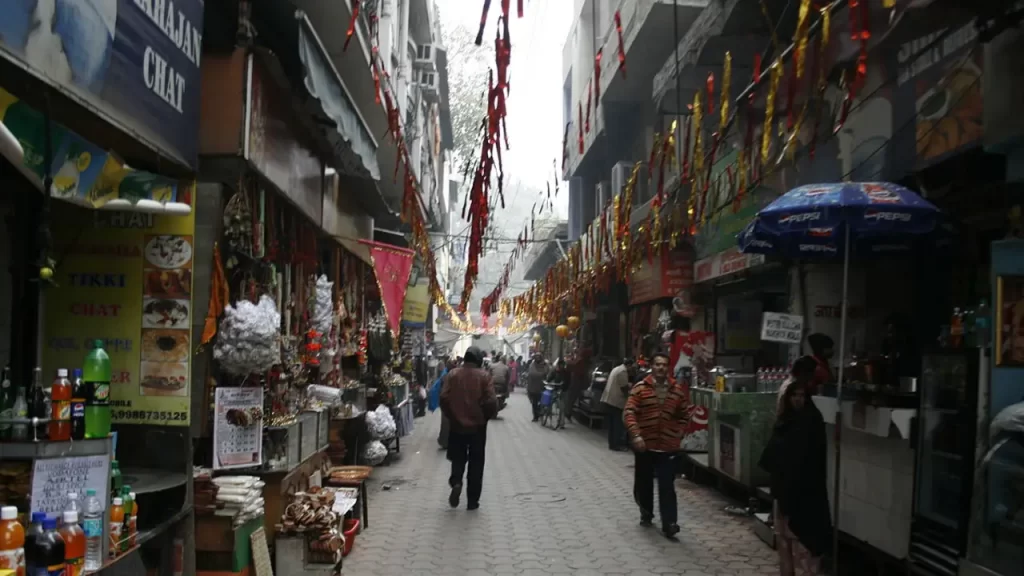
Hall Bazaar: Shopper’s Paradise
Indulge in retail therapy at Hall Bazaar, known for its array of shops selling everything from electronics to traditional Punjabi juttis.
Timings: 10 AM – 9 PM
Highlight: Bargain deals and authentic local products.
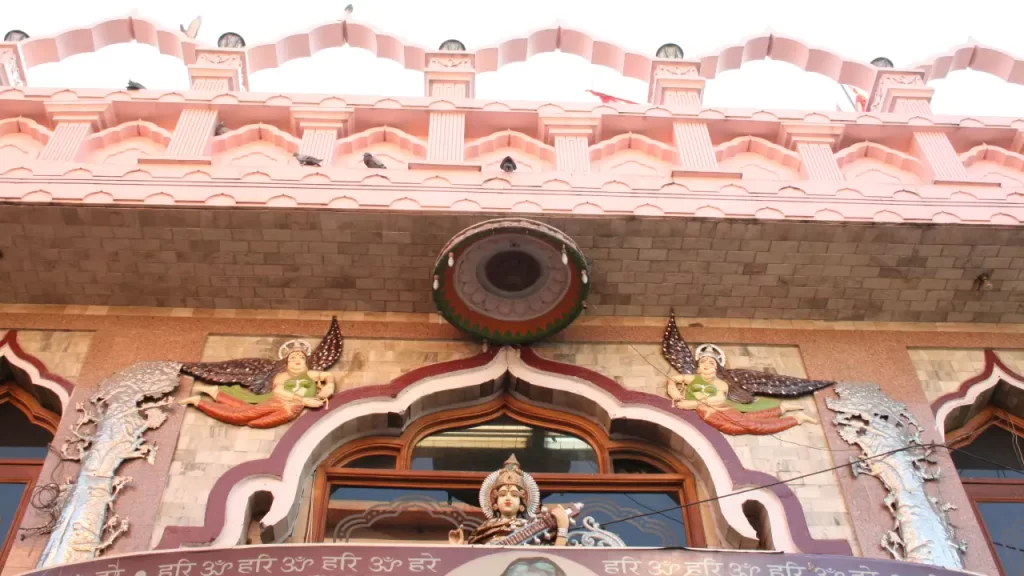
Often referred to as the “Silver Temple,” Durgiana Temple bears a striking resemblance to the Golden Temple and is dedicated to Goddess Durga.
Entry Fee: Free
Timings: 6 AM – 10 PM
Highlight: Intricate silver doors and peaceful surroundings.
Ram Bagh Garden: Leisurely Retreat
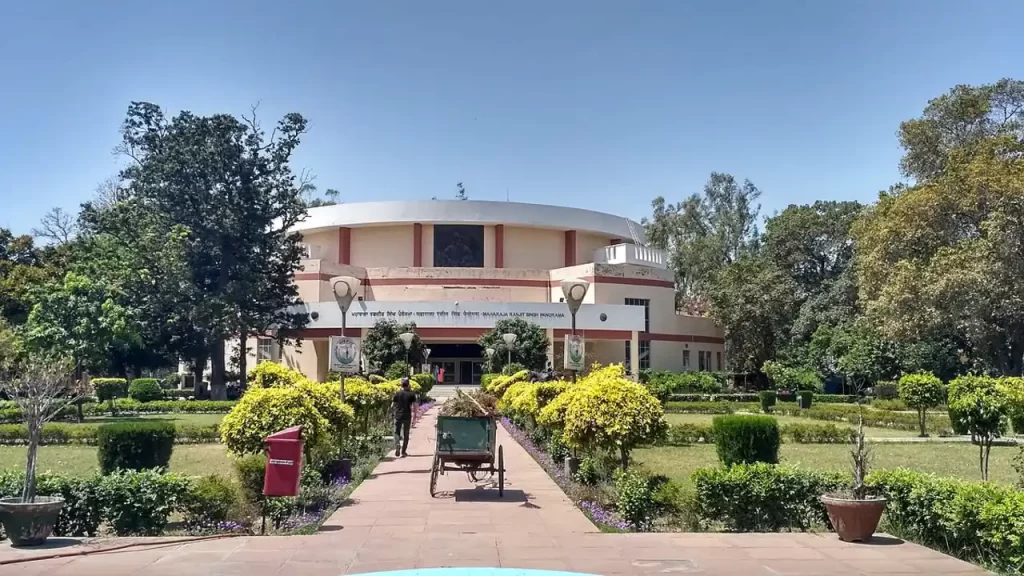
Wander through Ram Bagh Garden to see the place where Maharaja Ranjit Singh once lived, which is now a museum with objects of the Sikh government.
Entry Fee: ₹10
Timings: 10 AM – 5 PM (Closed on Mondays)
Highlight: Historical exhibits and lush greenery.
Ram Tirath Temple: Mythological Significance
According to myth, this place holds importance as the place where Luv and Kush, Lord Rama’s sons, were born and it remains peaceful for meditation.
Entry Fee: Free
Timings: 6 AM – 9 PM
Highlight: Ancient tank and sculptures.
Katra Jaimal Singh Bazaar: Textile Haven
If you and your friends are interested in textiles, the Katra Jaimal Singh Bazaar has many wonderful phulkari embroidery and silks.
Timings: 10 AM – 8 PM
Highlight: Authentic Punjabi fabrics and accessories.
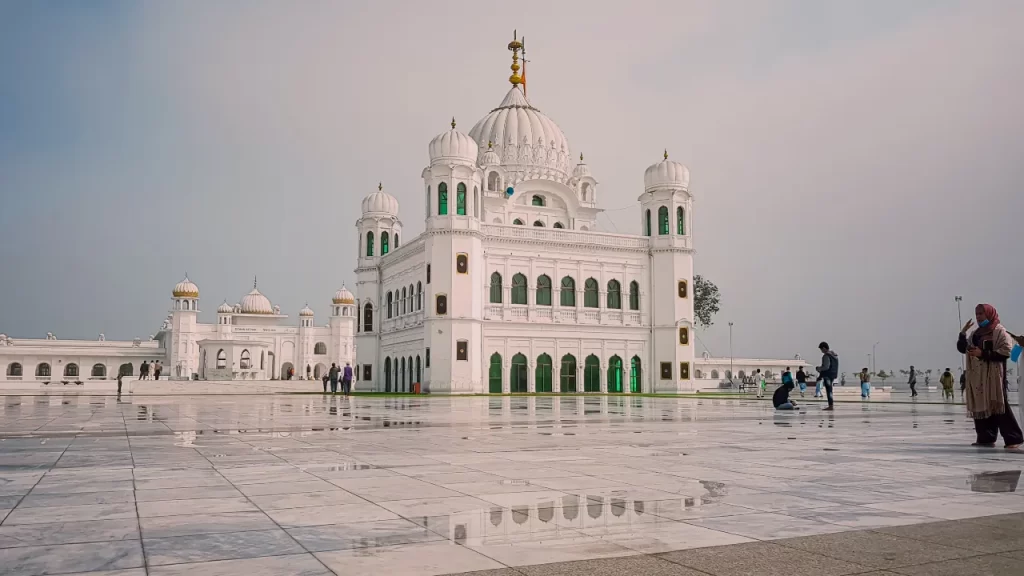
Amritsar to Kartarpur Sahib: A Spiritual Journey
Drop by the sacred Kartarpur Sahib in Pakistan from Amritsar which is about 50 km. Because of the corridor, those with Indian passports can visit Gurdwara Kartarpur Sahib visa-free.
Distance: ~50 km
Highlight: Cross-border pilgrimage fostering peace and unity.
Getting ready to visit the Wagah Border? The best Places to Visit in Amritsar With Friends is the Wagah border is around 31 km from Amritsar, which makes it reachable for a half-day trip.
Traveling to Amritsar with a group of people allows you to appreciate the city’s spiritual side, culture and friendship uniquely. Visiting the sunrise at the Golden Temple, yelling at the exciting Wagah Border ceremony and tasting the delicious kulchas at any local market are all made more exciting when you share them with friends.
Amritsar is a Places to Visit in Amritsar With Friends where seriousness and joy go hand in hand. Jallianwala Bagh and Partition Museum give you a better insight into India’s fight for freedom, whereas Gobindgarh Fort, Hall Bazaar and Katra Jaimal Singh Bazaar offer a cheerful atmosphere for your travels. If your group of friends is centered on spirituality, visiting the Ram Tirath Temple Amritsar and planning a peaceful visit from Amritsar to Kartarpur Sahib distance can deepen the sense of connection not just to each other, but to something greater.
Despite its size, the city is very friendly toward large groups. Thanks to well-organized transport and pleasant Places to Visit in Amritsar With Friends like Hotel Grand Hridey Amritsar, you can concentrate on truly enjoying your trip. Remember that the trip from Amritsar to Wagah Border is only 31 km, making it a great friend trip that will be easy to plan.
Besides tourist Places to Visit in Amritsar With Friends, Amritsar allows visitors to feel the unique Punjabi spirit. If you decide to shop with your friends, it can be lots of fun to buy phulkari, handmade shoes or pickles from nearby markets. Roaming the markets, enjoying local food or snapping pictures where the famous sights are, can turn your travel into memories that last a lifetime.And if your group is planning to extend the journey beyond Punjab, knowing details like the Delhi to Ranthambore distance (approx. 380 km) helps you map out your itinerary smoothly.
FAQ’s
Is 2 days sufficient for Amritsar?
To fully explore Amritsar’s spiritual side, importance in history and fascinating culture, 2 to 3 days is the right amount of time before you feel hurried. The holy shrine of Sikhism is the Golden Temple, so it should be the first stop on your visit.
Is the wagah border open every day?
People can come to the Wagah Border every day to watch the Beating Retreat Ceremony. Every afternoon, the evening ceremony happens, with soldiers from both India and Pakistan in a parade and flags lowered before dark.
Visitors to the Wagah Border, close to Amritsar, India and Lahore, Pakistan, can be there from 10 AM to 4 PM. The ceremony begins at 4:15 PM in the winter and at 5:15 PM during the summer. The area of the ceremony is open to the public and no pre-sale tickets or entrance tickets are used.
You are allowed to watch the ceremony at the border gates, but the border area is off limits for anyone who wishes to pass during the ceremony.
What is the best time to visit Golden Temple?
It is best to visit the Golden Temple (Harmandir Sahib) in Amritsar between October and March, when it is winter. This period has moderate weather, so the temperature stays between 10°C and 25°C which makes it enjoyable to explore the place and experience its calmness. During these months, there are numerous cultural events and festivals happening which only adds to the lively atmosphere.
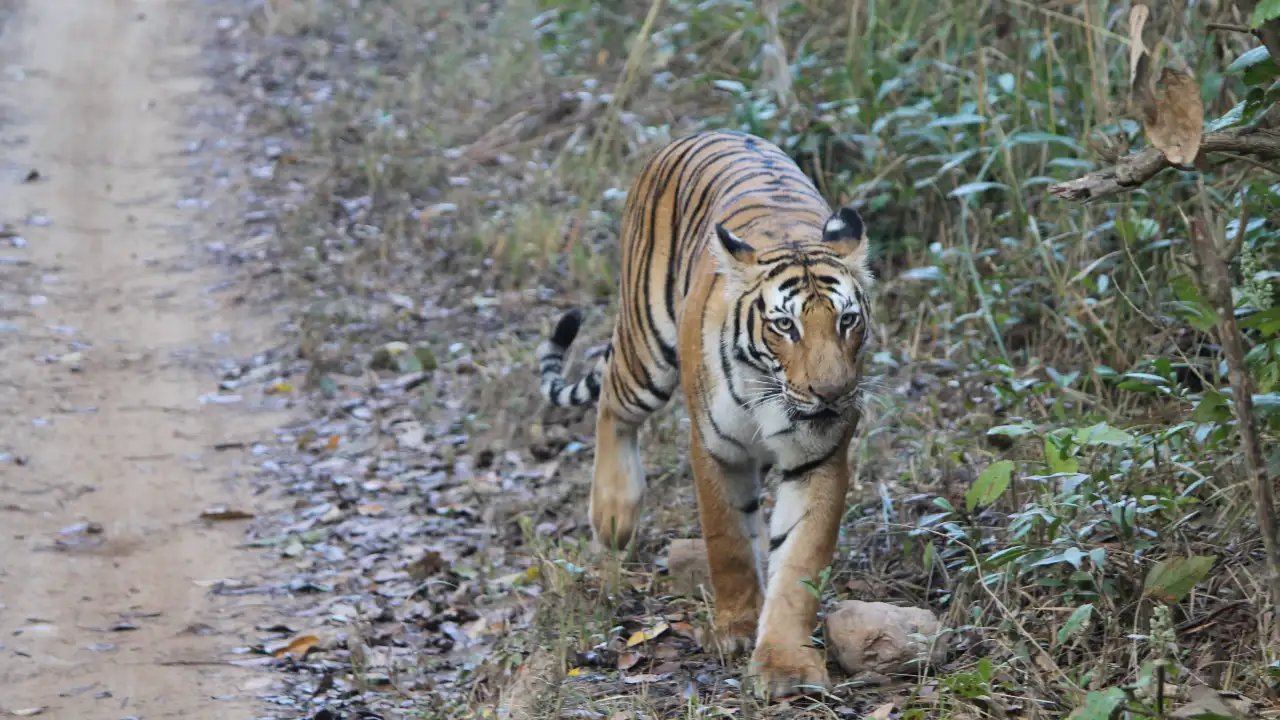
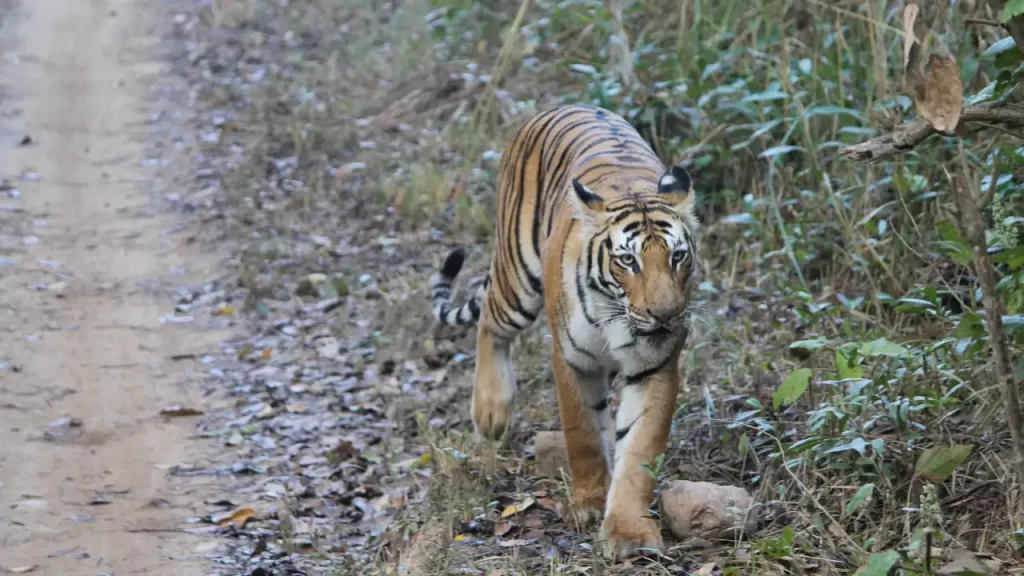
Uttarakhand, located at the foot of the Himalayas in India, is Jim Corbett National Park a well-known monument from wildlife that has attracted nature lovers and wildlife enthusiasts for decades. The park is rich with rich biodiversity, but best known as an important tiger reserve. People want to know how many tigers are there in Jim Corbett National Park? Investigation is important, assessing the health of the park’s ecosystem and actually assessing the success of tiger preservation efforts.
This larger blog will look into the population of the present-day tigers in Jim Corbett National Park, factors affecting the number, comparison with other reserves, ideal time and sites to view tigers, some travel tips, and some interesting destinations and routes nearby worth checking out.
Why Jim Corbett National Park is Important for Tigers
As it is the first national park in India, it was established in 1936 by the name Haley National Park. The park got its new name, ‘Jim Corbett National Park’, due to Jim Corbett’s efforts to save the Bengal tiger. Over 520 square kilometers of this park are covered in forests, river areas, marshes and meadows which make it ideal for tigers to live. If you wonder about how many tigers are in Jim Corbett National Park, you are really asking a main question about the park’s ecological balance. To maintain itself, the Bengal tiger must have strong fishing grounds and a good forest because it is at the top of the food chain. As a result, the rise in the tiger population is the main sign that both conservation work and the whole ecosystem are progressing well.
The Current Tiger Population in Jim Corbett National Park
According to the modern-day reputable TIGER People published via the National Tiger Conservation Authority (NTCA) and the Wildlife Institute of India (WII) in 2018, Jim Corbett National Park and the close by wooded forest areas have an estimated 215 to 250 Bengal Tigers. This discern makes it one of the largest tiger populations registered in the same blanketed vicinity in India.
Census Scientific techniques, including digicam traps, pugmark tracking, and genetic evaluation of scat samples, were organized using clinical methods, which guarantee dependable and accurate results. The presence of such a massive tiger population in Jim Corbett National Park sheds light on the fulfillment of strict conservation efforts and the rich ecosystem inside the park.
Answers to the question how many tigers are there in Jim Corbett National Park, with these numbers it clearly indicate the importance of the park in the Tiger Conservation Scenario in India.
How Accurate is This Number?
Counting tigers in nature isn’t a smooth achievement. Tigers are lonely and elusive creatures, and dense forests offer sufficient coverage to stay hidden. However, modern-day wildlife studies employs sophisticated strategies to properly estimate tiger numbers.
Use of digicam networks – automatic cameras induced by means of motion – allows researchers seize snapshots of individual tigers, which should be diagnosed with their unique striped sample. These pics are analyzed to keep away from double-counting. DNA samples gathered from Tiger Scat (FECES) additionally allow affirm private identification.
Therefore, while number 215 to 250 is an estimate, this is the most scientific answer to the question of how many tigers are there in Jim Corbett National Park.
Factors That Have Contributed to the Tiger Population Growth
The increasing tiger numbers in Jim Corbett National Park are a result of multiple combined efforts:
1. Stringent Anti-Poaching Measures
The Park Management and Forest Department has implemented anti-hanging patrolling, causing a significant reduction in tiger illegal activities. This has enabled the Tiger population to stabilize and grow.
2. Habitat Restoration and Protection
Work on restoring humiliated forest areas and maintaining water bodies has ensured sufficient hunting accessibility and appropriate houses for tigers. This has helped maintain a healthy Hunter-Shikar balance.
3. Community Engagement
Local communities around the park have been involved in conservation awareness programs. Reducing human-pocket book combat through educational and compensation schemes for the loss of livestock promotes better coexistence.
4. Ecotourism Support
Responsible ecotourism has provided financial resources for conservation by educating visitors on tiger preservation. This model helps maintain continuous support for conservation programs.
How Many Tigers Are There in Jim Corbett National Park Compared to Other Tiger Reserves?
If you are curious about how many tigers are there in Jim Corbett National Park compared to other reserves, here is a brief overview:
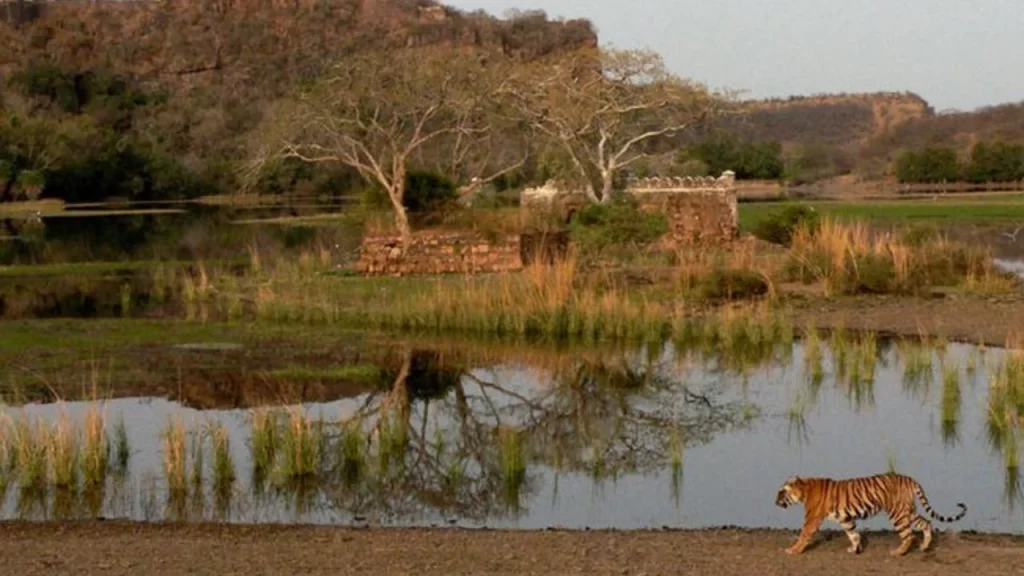
Ranthambore National Park in Rajasthan has about 70-80 tigers.
Bandhavgarh National Park in Madhya Pradesh is home to roughly 100-110 tigers.
Kanha National Park has around 80-90 tigers.
Sundarbans Tiger Reserve, with its unique mangrove habitat, has about 100-120 tigers.
Because of its high tiger population, Jim Corbett has a significant effect on Bengal Tiger Conservation. It’s not complicated to reach this park if you want to catch a glimpse of them in nature.
Best Time and Zones to Spot Tigers in Jim Corbett National Park
Travelers were curious about how many tigers are there in Jim Corbett National Park because sighting these creatures was their main wish. The dry season which lasts from November to June, is the best time for a tiger safari. Because the water is scarce at this time, it becomes easier to spot a tiger.
Popular zones for tiger spotting include:
Dhikala Zone: Known as the “heart” of the park, Dhikala offers excellent tiger sighting opportunities due to its rich habitat.
Bijrani Zone: Another well-known zone with frequent tiger sightings and diverse wildlife.
Jhirna Zone: Open all year, this zone is popular for visitors wanting a longer safari season.
Durga Devi Zone: Famous for its picturesque river views and good tiger sighting chances.
Choosing your safari zone wisely enhances the chances of spotting the majestic Bengal tiger.
Challenges in Conserving Tigers at Jim Corbett
While the park has been successful in increasing its tiger population, some challenges remain:
Human-Wildlife Conflict
Villagers living near park boundaries sometimes face crop damage or livestock predation by tigers or other carnivores. This conflict can lead to retaliation unless properly managed.
Poaching and Illegal Trade
Although poaching has reduced significantly, the illegal wildlife trade still threatens tigers. Continuous vigilance is required to keep these threats at bay.
Environmental Changes
Climate change and human-induced habitat alteration may affect prey availability and forest health, indirectly impacting tiger populations.
Tips for Visitors Planning a Trip to Jim Corbett National Park
If you’re planning a visit and curious about how many tigers are there in Jim Corbett National Park, here are some tips for making the most of your trip:
Book safaris well in advance, especially in popular zones like Dhikala.
Follow all park guidelines to ensure safety and minimize disturbance to wildlife.
Consider combining your wildlife trip with visits to other nearby cultural and historical sites.
Nearby Attractions and Travel Information
Your visit to Jim Corbett can be part of a larger travel itinerary including interesting places and routes nearby.
For those traveling from or to Amritsar, a stay at Hotel Grand Hridey Amritsar is a comfortable and budget-friendly option.
For tourists interested in witnessing the iconic Wagah border ceremony, understanding the amritsar to wagah border distance (around 28 km) helps in scheduling.
Amritsar is also famous for its shopping, so exploring things to buy in amritsar like phulkari embroidery, juttis (traditional footwear), and local spices is a great way to experience local culture.
If you’re traveling from Delhi after your wildlife adventure, keep in mind the delhi to ranthambore distance (approximately 400 km), which can help you plan a tiger safari at another famous reserve.
how many tigers are there in Jim Corbett National Park? India’s tiger manifests a perspective of wonder upon the perspective on conservation ever so successful. In the ranges 215-250, Jim Corbett is an important stronghold for the Royal Bengal Tiger. The ample tiger population in the park is a testament to effective conservation policy, habitat protection, and participation in society.
The park is renowned for having giant big cats and it is an excellent place to discover the importance of caring for different species for balance.
People who enjoy nature, enjoy science or love nature travel will appreciate a visit to Jim Corbett National Park.
FAQ’s
How many tigers are in Jim Corbett?
Jim Corbett National Park has the highest number of tigers among India’s tiger reserves, with an estimated population of more than 260 Bengal tigers. This makes it a popular destination for wildlife enthusiasts.
How many leopards are in Jim Corbett National Park?
While Jim Corbett National Park is known for his tiger population, there is no easily accessible, accurate figure available for leopard numbers in the park. However, it is important to note that leopards are found in the park and diverse wildlife is part of the ecosystem.
Are tigers visible in Jim Corbett?
The Dhikala region is the most popular area in Jim Corbett National Park and the best area to discover a tiger in its natural habitat. A landscape with open grasslands, river ducts and forest trees, the Dhikala region is the home of many wild animals.
Which national park has the highest number of tigers?
Jim Corbett National Park has the highest number of tigers in India, making it a prime destination for wildlife enthusiasts. As part of Project Tiger, it shelters over 250 tigers, the largest population among all national parks. Its dense forests, grasslands, and rivers create the perfect habitat for these majestic big cats. Tourists visiting Jim Corbett can experience thrilling safaris and enjoy unparalleled opportunities to witness the Royal Bengal Tiger in its natural environment.
How many leopards are there in Jim Corbett National Park?
Jim Corbett National Park is home to a healthy population of leopards, estimated to be over 150. These elusive predators thrive in the park’s diverse landscapes, from dense forests to rocky terrains and river valleys. Though harder to spot than tigers, leopards play a vital role in maintaining ecological balance. Visitors on safari often get a chance to glimpse these magnificent cats, adding excitement and diversity to the Corbett wildlife experience.
Which is the 2nd largest tiger reserve in India?
The Nagarjunsagar-Srisailam Tiger Reserve in Andhra Pradesh is the second largest tiger reserve in India, covering around 3,728 square kilometers. Nestled in the Nallamala Hills, it is known for its rugged terrain, deep valleys, and rich biodiversity. Home to tigers, leopards, sloth bears, and diverse birdlife, it offers a unique wilderness experience. Its vast expanse and ecological significance make it a vital sanctuary for wildlife conservation and a paradise for nature lovers.
Corbett National Park in Uttarakhand is a haven for wildlife enthusiasts and nature lovers. Being the oldest National Park in India and Tiger reserve, it offers the incomparable Savannah experience along with a luxurious landscape in the presence of Bengal tigers and foreign wildlife in their natural habitat. So, if one is searching “how to visit Corbett National Park,” here is a comprehensive guide which will cover the trip helping plan and enjoy everything.
What is Jim Corbett National Park?
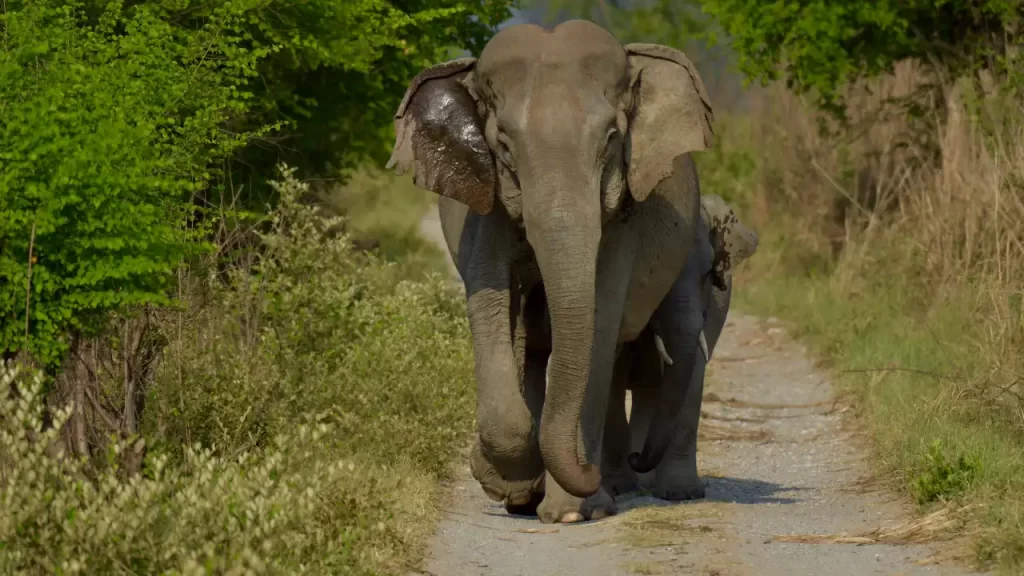
Corbett National Park came to life in 1936 and is believed to be the first national park of India. Extension covers an area of 520 square kilometers that straddles the Himalayan foothills, in biogeographic terms-the park hence claims to harbor the rich biological diversity, including species such as tigers, elephants, leopards, deer, and more than 600 varieties of birds from Bengal. Named after Jim Corbett, a protector-cum-mythical hunter, understanding its narrative and ecological importance shall definitely be the right place to introduce how to visit Corbett National Park.
According to the Forest Department of Uttarakhand, Corbett sees more than 80,000 tourists annually, making it one of the most popular destinations for wildlife viewing.
Best Time to Visit Jim Corbett National Park
The best time to travel to Corbett National Park is from November to June, when the park is open to tourists. The monsoon months (July to September) are outside the lymph due to heavy rain, which is temporarily closes by the park due to floods and the animal breeding season.
Winter (Nov-Feb): Cool and dry weather, ideal for safaris and photography.
Summer (Mar-Jun): Warm days but good for spotting animals near water bodies.
Visitors often plan their trips accordingly to make the most of their safari experience.
How to Reach JICorbett National Park
Understanding how to visit Corbett National Park begins with the best itineraries and transport mode. The park is well connected through roads, rails and air, making it accessible from larger cities such as Delhi and Dehradun.
Road Transport
The park is about 250 km from Delhi, which takes approximately 5 to 6 hours by car or bus. National Highway 9 connects delhi to ranthambore distance, the gateway town for Corbett National Park. Regular government and private buses operate between Delhi and Ramnagar.
If you want a comfortable stay before or after your trip, consider hotel grand hridey amritsar for a luxurious experience en route if you’re coming from northern India.
Rail Connectivity
About 10 km from the entrance to Ramnagar Railway Station Park is the closest railway head to Corbett National Park. It is well connected to larger cities including Delhi and Mordabad, so it is an important route to think about how to visit Corbett National Park by train. You can book trains that bring you closer to the park and hire a taxi or take buses to the park gate. For pilgrims traveling, you may be interested in the Amritsar to Kartarpur Sahib distance, as many schemes combine spiritual and wildlife trips.
Air Travel
The nearest airport is Pantnagar Airport, which is about 82 km from Corbett National Park. It has limited flights connecting Delhi and other cities. Alternatively, Jolly Grant Airport works in Dehradun, about 150 km away, as another alternative to those who are thinking of looking at Corbett National Park from the air.serves as another option for those wondering how to visit Corbett National Park by air.
From the airport, you can hire taxis or use bus services to reach the park. Travelers often coordinate this with their wider itinerary which may include visiting iconic sites like Ram Tirath Temple amritsar or checking out Amritsar to Wagah border distance for a complete North India trip experience.
The park requires visitors to pay entry fees and obtain permits for safaris. The fees vary for Indian nationals and foreign tourists:
Category
Entry Fee (INR)
Safari Fee (INR)
Indian Adults
100
1000 – 3000
Foreign Adults
1000
2000 – 5000
Children (<15)
50
500 – 1500
Permits can be booked online on the official Corbett National Park website or at the park entrance. Booking in advance is highly recommended, especially during peak season.
Where to Stay Near Corbett National Park
The park has a number of accommodation options from budget cabins to luxurious resorts. Popular options include one rest house, private resorts and Eco-Laz. If you are planning how to visit Corbett National Park, it is important to choose the right place to stay for a comfortable and memorable experience. For visitors traveling from the North India, Hotel Grand Hridey Amritsar gives a great way to discover regional attractions with their stay in Amritsar.
Many hotels and resorts offer package offerings including safari, food and guided tourism. Some popular migration options in Ramnagar and nearby areas include:
Corbett Jungle Safari Resort
The Riverview Retreat
Corbett Machaan Resort
Safari Options and Booking Tips
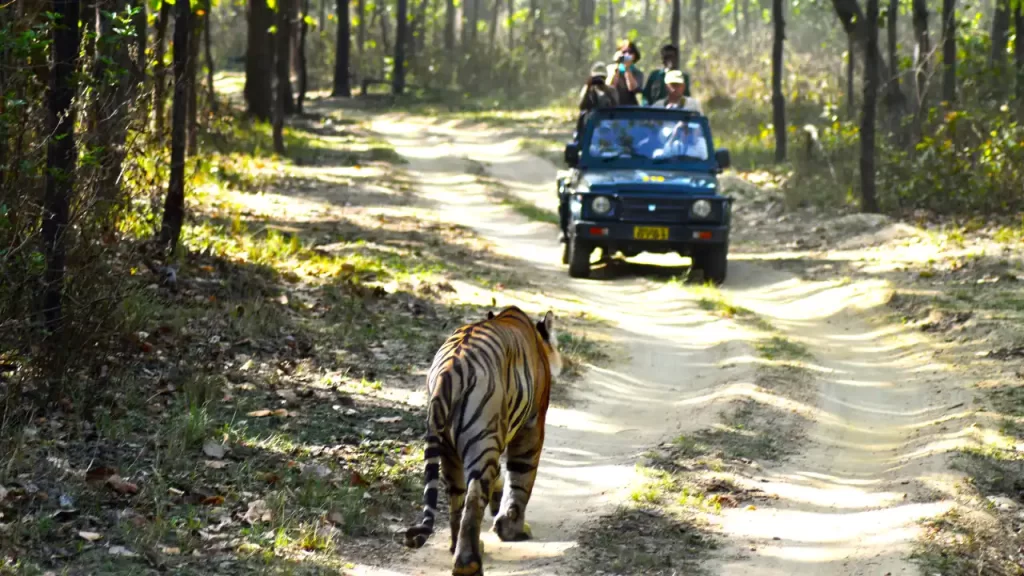
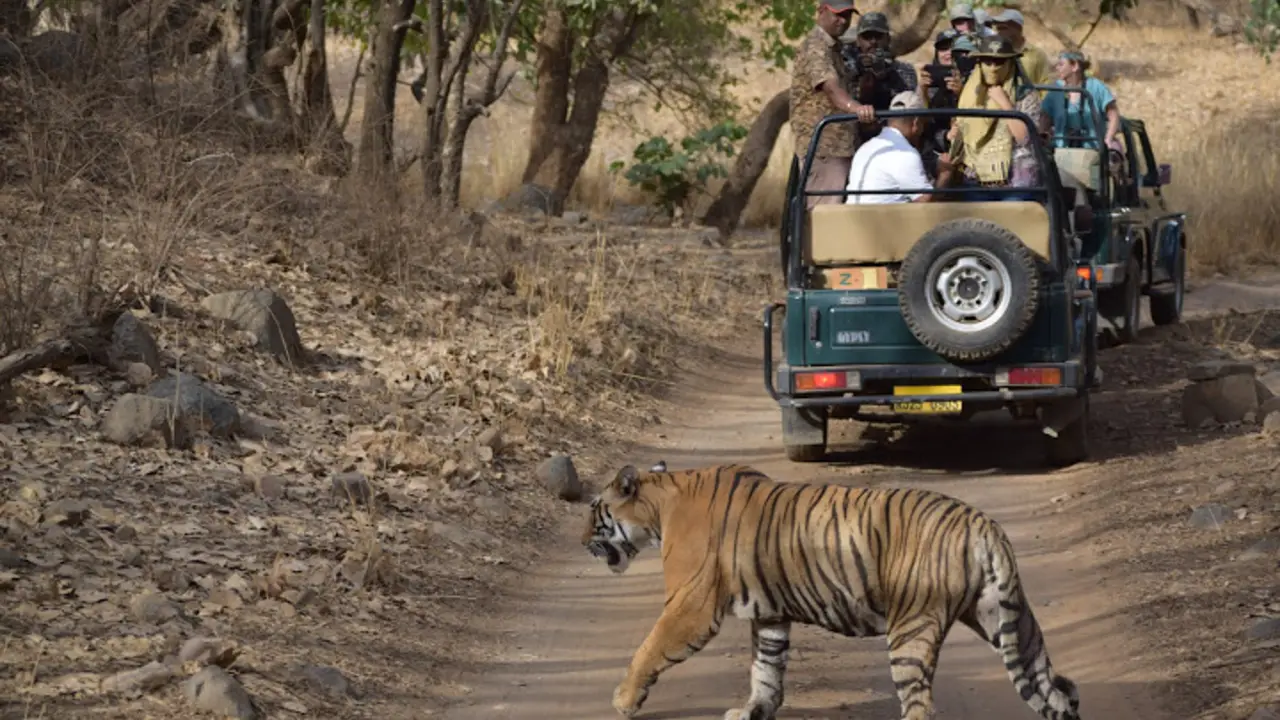
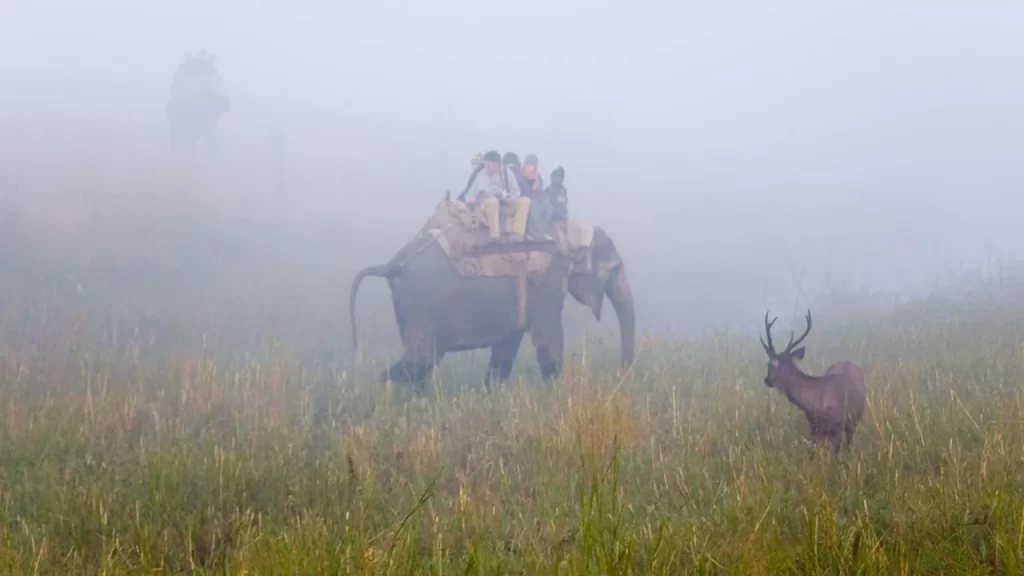
Corbett National Park offers several safari zones such as Bijrani, Dhikala, Jhirna, and Durga Devi. Each zone has unique wildlife and landscape features.
Jeep Safari: Most popular and offers flexibility.
Canter Safari: Larger group vehicle, ideal for group travelers.
Elephant Safari: Limited availability, mostly in the Dhikala zone.
Book safaris online through the official park portal to avoid last-minute hassles. Remember to carry your permit and photo ID during the safari.
What to Pack for Your Corbett Visit
Packing smart is key to enjoying your trip. Here’s a quick checklist:
Comfortable clothes in neutral colors (avoid bright colors).
Sturdy walking shoes or boots.
Binoculars and camera with zoom lens.
Sunscreen and hats for sun protection.
Insect repellent to avoid bites.
Water bottle and snacks.
Important Tips for Visitors
Follow park rules strictly to protect wildlife and yourself.
Maintain silence during safaris to avoid disturbing animals.
Do not litter; use designated disposal areas.
Always listen to your guide and stay inside the vehicle during safaris.
Book safaris and accommodation well in advance to avoid disappointment.
For tourists combining their wildlife trip with cultural visits, knowing things to buy in amritsar makes for a memorable shopping experience post-safari.
If you are planning a migration that mixes nature, adventure and unforgettable wildlife meetings, it is to understand that how to visit Corbett National Park is your first step towards an incredible journey. Corbett is located at the foot of the Himalayas, and is not just a tiger reserve, but a vibrant, respiratory ecosystem with life and peace. Whether you arrive by car, train or flight, it is quite okay to reach the park with a well-developed connection from larger cities such as Delhi.
To make the maximum benefit from your experience, you can travel during the active safari season from November to June – when the chances of detecting royal tigers, wild elephants and foreign birds are quite high. If you are wondering how to visit Corbett National Park, you can start planning your trip around this high season and booking permits and safari in advance. Choose the Safari zone carefully; Each has something unique – from the dense forests of Dhikala to open business grass.
Homes are in plentiful, catering for all budgets and preferences. If you connect your wildlife adventure work with a broad North India’s Yatra program and search for Corbett National Park, consider stopping the spiritual and historical places like Ram Tirath Temple Amritsar, or finding out regional experiences such as acting on things to buy in Amritsar.
The proximity to Corbett for places like Ranthambore also makes it ideal for an extended Tiger Trail tour -do you know that Delhi is around the 370 km for the Ranthhambore distance? Therefore, if you are wondering how to visit Corbett National Park, then let this guide be in line with. With a thoughtful plan, respect for nature and a sense of adventure, your trip to Corbett can be wild and fantastic as a forest.
FAQ’s
How to go to Corbett National Park?
The nearest Corbett railway station is Ramnagar located about 12 km from the park, and the station is directly connected to railway stations in Delhi. A straight train called Ranikat Express runs from Delhi to Ramnagar, who is the best train to reach Corbett from Delhi.
How to get entry in Jim Corbett National Park?
Permissions are required to enter Corbett Tiger Reserve. Tourists can get day trips on the web. Once you have received an online permit, you must rent 4×4 Gypsy before entering Corbett Tiger Reserve. Pre-approval of the park authority at the entrance is also required.
How many days are enough for Corbett?
So the answer is three days. If you want to embrace the entire Corbet by searching for both nature and wildlife, you can spend three days in the national park to enjoy the exciting jeep safari in different fields and travel to a few scenic places on the visit of nearby sightseeing.
Can I stay inside Jim Corbett?
Jim Corbett National Park is one of some national parks in India that allows tourists to spend the night in the main areas. This unique experience provides visitors to the park’s natural beauty and wildlife. Night stays are available from the end of November to the end of June, which provides a rare opportunity to look at the forest’s nightly attraction. Visitors should already protect these permits due to limited accessibility and high demand in the high season.
If you are an adventure traveler looking forward to a jungle safari, your most suitable destination is a Jim Corbett Safari Package. At the very center of Uttarakhand lies Jim Corbett National Park, the oldest and one of the most well-known wildlife reserves of India. Whether you’re a bird enthusiast, an animal enthusiast who desires to be surrounded by nature, or a nature photographer who would like to take the beautiful creatures in their native environment, there is something for all of them. In this complete guidebook, we will show you everything that you would like to know about Jim Corbett Safari Package reservation, safari adventure, ideal time to visit, and travel advice so that you can enjoy a great vacation.
Why a Jim Corbett Safari Package?
A Jim Corbett Safari Package is not just a wildlife holiday—It’s a professionally managed experience that gives you the best of Corbett. Jungle safaris and luxury stays, birding, and nature walks—the packages have it all without worrying about it. Going for a package guarantees you:
Booking and permits for pre-planned safaris
Well-furnished stays in walking distance from safari sites
Professional naturalists and guides
Customized itineraries according to your choice
A Jim Corbett Safari Package, be it a family vacation, honeymoon with your significant other, or a photo safari, there’s something for everyone.
About Jim Corbett National Park
Renamed Hailey National Park in 1936, it was later renamed after the famous hunter-conservationist Jim Corbett. Covering more than 520 square kilometers, the park is a biodiversity hotspot and is inhabited by more than 650 species of birds and wildlife, including the majestic Royal Bengal Tiger.
Types of Jim Corbett Safari Packages
There are several Jim Corbett Safari Packages you can opt for, each offering a different experience. Here’s how:
1. Jeep Safari Package
Jeep Safari is the best seller and most suitable for families and small groups. It penetrates the forest, thus giving you the luxury of spotting tigers, elephants, deer, and birds from foreign countries.
2. Canter Safari Package
Canters are a group experience and ideal for budget travelers or groups. It is done in the Dhikala zone.
It’s an experience that is still full of wildlife experiences.
3. Luxury Safari Package
These involve stays in luxury resorts, luxury safaris with expert naturalists, and gourmet dinners—the best for those who enjoy pampering themselves among nature without exertion.
4. Bird Watching & Nature Walk Package
In case bird watching interests you, Jim Corbett Safari Packages can also be opted for with bird watching programs, nature walks, and photo safaris too.
Safari Zones Providing Jim Corbett Safari Package
The park has been split into various zones, and each zone provides a new landscape and wildlife sighting experience:
Dhikala Zone: Most scenic and highest for wildlife sightings
Bijrani Zone: Famous for dense forest and sightings of tigers
Jhirna Zone: Open round the year and best suited for bird watchers
Dhela Zone: New zone, peaceful and less crowded
Durga Devi Zone: Hilly landscape, best suited for birding
Sitabani Buffer Zone: Not included in the core park, but lots of experience
The majority of the Jim Corbett Safari Package holidays will have you opting for your zone based on availability and your choice.
Best Time to Book a Jim Corbett Safari Package
While the park is open from mid-November to mid-June, the best time to book a Jim Corbett Safari Package would be at your preference:
Winter (Nov–Feb): Best time for tiger and bird sightings.
Summer (Mar–Jun): Best time for wildlife as animals congregate around water points.
Monsoon (Jul–Oct): Some areas close due to rains, but not Sitabani.
It is a wise idea to pre-book so that you can obtain your preferred zone and accommodation.
Most standard Jim Corbett Safari Package packages include:
Pick-up and drop-off from nearby cities or railheads
Stay in eco-resorts or forest lodges
Meals (breakfast, lunch, dinner)
A few jungle safaris (Jeep or Canter)
Entry fees, guide charges, and permit charges
Bonfire and cultural activities (in some packages)
Spa treatments, walks in nature, and bird-watching trips can also be included in luxury packages.
Best Resorts to Book in Jim Corbett
Where you sleep goes a long way in determining your experience. Best options are:
The Riverview Retreat – Mid-range with picturesque river views
Taj Corbett Resort & Spa – Luxury, best suited for honeymooners
Wild Exotica – Budget and for families
Some of them have personalized Jim Corbett Safari Package packages, including safaris, meals, and activities in nature.
Jim Corbett Safari Travel Hints
Pre-book: Safaris are of limited capacity, especially in Dhikala.
ID Proof: Carrying is necessary for entry and verification of the booking.
Wear dull colors: Natural hues would be the best to blend with the forest.
Don’t litter and don’t make noise: Let’s not disturb the wildlife and nature.
Take the guide’s advice: Safety first.
Planning a Multi-Destination Holiday?
If you are going to take a longer vacation in North India, you can start with Corbett and then move on to Amritsar. After enjoying the richness of nature in your Jim Corbett Safari Package, unwind through religious and historical sightseeing. Never miss staying in Hotel Grand Hridey Amritsar so kindly.
Spiritual prayers in the mythological and serene Ram Tirath Temple, Amritsar. You can even continue your spiritual journey further beyond India to Pakistan by traversing the Amritsar to Kartarpur Sahib distance of about 4.5 km from the Indo-Pak border via the corridor.
Why An Online Jim Corbett Safari Package?
Time saving and access to:
Authentic and government-approved packages
Offers and combo packages
Convenience of easy assistance and facilities to customize
Instant booking confirmation
All sites offer transparent charges, transparent itineraries, and reviews for choosing the right Jim Corbett Safari Package.
Wildlife to See on Your Safari
These are a few of the species you can witness once you opt for your Jim Corbett Safari Package tour:
Royal Bengal Tiger
Indian Elephant
Sloth Bear
Crocodile and Gharial
There are over 650 species of birds present that would be among those including the Great Hornbill and the Crested Serpent Eagle.
Each safari place will have different types of combination, therefore, every safari will not be like the former ones.
Photography Tips for Your Safari
Use a zoom lens (min. 300mm)
Put the camera in silent mode
Shoot photos in burst mode for action shots
Avoid using flash—it frightens animals away
Early morning light is best for dramatic wildlife photography
All Jim Corbett Safari Package offers also include expert photo shoots, which are ideal for beginners.
Special Packages for Honeymooners, Families & Groups
If you are honeymooning or traveling in groups or with children, then you can opt for a Jim Corbett Safari Package best suited to your requirements:
A Jim Corbett Safari Package is a perfect mix of adventure, peace, and nature. You are ready to spot the royal tiger, looking for the calmness of nature, or maybe you just wish to have a family outing which will be inscribed in your memory forever; Jim Corbett has something to offer each and every one of you. No more waiting—book your Jim Corbett Safari Package now and experience the wild’s closeness.
FAQ’s
How expensive is a Jim Corbett safari?
A Jim Corbett Safari Package cost varies based on the zone, type of safari, and length of stay. On average:
Jeep Safari: ₹4,000 to ₹6,000 per jeep (holding a maximum of 6 individuals)
Canter Safari: ₹1,500 to ₹2,000 per individual
Luxury Safari Packages: ₹10,000 to ₹25,000+ per individual, including accommodation, meals, and safari
A normal Jim Corbett Safari Package of 2 days and 1 night costs ₹6,000 per person, but multi-safari packages and guided tours with luxury hotels cost over ₹20,000. Booking a complete Jim Corbett Safari Package online is more convenient and better value.
What is the Dhikala 2 nights, 3 days package?
Dhikala 2 nights 3 days tour package is one of the most popular and premium options in a Jim Corbett Safari Package. It includes:
Accommodation at Dhikala Forest Lodge in the core area
2 Jeep safaris at the Dhikala zone
All meals (breakfast, lunch, dinner)
Entry permits, guide charges, and transportation
This package offers you an experience of a lifetime amidst the jungle, especially with the morning and evening safaris that offer highest tiger sighting opportunities. The tariffs usually range from ₹12,000 to ₹18,000 per individual based on season and accommodation type at the forest lodge.
What safari is suitable for Jim Corbett?
The top-of-the-line safari in a Jim Corbett Safari Package will depend on what you are looking for:
Dhikala Safari: Best for tiger sighting, variety of wildlife, and landscapes. Best for serious nature enthusiasts.
Bijrani Safari: Close to Ramnagar and gives decent chances of seeing tigers.
Jhirna Safari: Open all year round and best for bird-watchers and weekend wildlife enthusiasts.
Dhela Safari: Less touristy and serene, best for nature enthusiasts.
For starters or for those interested in the big cats, Dhikala zone safari as an add-on to a full Jim Corbett Safari Package is the best choice.
Two days in a Jim Corbett itinerary 2 days provides the perfect opportunity to escape for a wildlife adventure. The region where Jim Corbett National Park exists in the Himalayan foothills represents India’s first national park with its peaceful combination of natural vegetation and animals and scenic beauties. Two days in Corbett can be best experienced by following the recommended tour plan for visiting this remarkable sanctuary.
Day 1
Early Morning Safari
Your Jim Corbett itinerary 2 days should begin with an early morning wildlife safari that functions as your first wildlife experience. Users should observe indigenous wildlife at Jim Corbett National Park during the first hours of the day. The tiger population in Jim Corbett National Park shares the park with elephant groups and numerous bird species alongside its extensive collection of flora. Observing magnificent animals becomes possible at the early safari because they hide in thickets after the day.
The safari commences in the early morning hours, with several available zones. For instance:
Dhikala Zone: Known for its stunning landscapes and abundant wildlife.
Tigers are frequently observed in the Bijrani Zone, where visitors come to see them.
Open grasslands in Jhirna Zone allow visitors to observe many species of wildlife and flying creatures.
There is time for relaxation at your hotel, followed by a satisfying breakfast meal after completing your safari adventure. The sight from Hotel Grand Hridey Amritsar will greet you with a pleasant start to your day since it is a popular accommodation option.
Visit Corbett Museum
After resting, move to the Corbett Museum. A museum displaying items belonging to Jim Corbett exists inside his former house and features memorabilia and photographs along with personal effects from the conservationist. Visiting the Corbett Museum grants interesting perspectives about Jim Corbett and the park’s history, thus becoming a significant informational point on a Jim Corbett itinerary 2 days.
Afternoon Safari
Embark on a second adventure trip with an afternoon safari included. The park divides its territories into different accessible zones. Experience excellent wildlife encounters of tigers and leopards as well as deer and wild boar at both Bijrani and Jhirna zones. The park becomes home to roaming elephant herds based on specific seasonal conditions.
Evening
Spend part of your day enjoying the scenic Ramganga River that angles through the protected area after completing your safari tour. The sunset views from this position provide the perfect spot to relax after daily park activities. The sunset scenery, together with bird observations during their nightly return, will bring you pure enjoyment.
Eating dinner at your hotel follows an evening spent at the park before resting for the night. The dining services at Hotel Grand Hridey Amritsar, along with its superior hotel facilities, will enhance your trip experience.
Day 2
Early Morning
A peaceful bird-watching tour unfolds during your second itinerary day in Jim Corbett itinerary 2 days. The park houses more than 600 different species of birds, which makes it an absolute haven for birdwatchers. Morning provides the best circumstances to watch birds in their rustic environment. This excellent opportunity enables photography enthusiasts to record memorable images.
Your journey should proceed to the Garjiya Devi Temple, which stands near the Corbett National Park boundaries. A big rock island within the river houses this essential religious temple, which reveals amazing wild nature vistas. The holy site of Garjiya Devi Temple adds both spiritual and cultural value to your wildlife exploration.
Jungle Trekking
Visitors seeking to fully experience Corbett’s natural scenery should try jungle trekking as it provides breathtaking views of the park on foot. When guided through secluded areas of the park, you will be able to observe flora and fauna species that are not regularly seen on safari visits. When selecting your jungle trek, you need to pick one that matches your current fitness ability.
Visit a Nearby Village
Afternoon travel to the villages of Dhela or Marchula that lie near the park. The villages present an authentic view of regional customs as well as social practices and cultural traditions. The area allows visitors to spend time with locals while learning how they practice farming and handmade creation techniques, followed by trying their regional cuisine.
Option for Extension
The town of Amritsar contains the notable Golden Temple, which serves as a top attraction for travelers who wish to augment their journey to the area. Travellers visiting Amritsar should dedicate time to see the ancient Ram tirath temple Amritsar, where Lord Rama historically spent time in exile.
The Amritsar to Kartarpur sahib distance requires only a minimal journey of 4 kilometers, which works well for a day of exploration. The Kartarpur Corridor functions as a holy pilgrimage path that links Indian territory to the Kartarpur Sahib Gurudwara situated in Pakistan. Visitors can complete their experience enriched by culture by appreciating this peaceful environment filled with religious value at this site.
Accommodation
Your Jim Corbett itinerary 2 days becomes more comfortable when you select the right place to stay. Hotel Grand Hridey Amritsar provides superior services, which qualify it as a perfect option for guests seeking upscale lodging. Stay at Hotel Grand Hridey Amritsar for one night or for a complete tour because this hotel lets you easily visit local sites while giving you comfortable rooms and dining facilities and convenient modern amenities.
Tips for Your Jim Corbett Itinerary 2 Days
Making pre-booked reservations for your safaris ahead of time is crucial because Jim Corbett National Park becomes extensively popular during peak visitor periods.
Ensure that you book your safari slots before visiting to guarantee your reservation.
Wear comfortable safari and walking-appropriate clothing whenever you explore the park.
Bring a lightweight jacket because Jim Corbett temperatures get cold during the early and late hours of daylight.
The wildlife communities of Jim Corbett consist of endangered species that need protection. Keep your distance from animals respectfully, and avoid disturbing the wildlife’s environment at all times.
Beginners should remember to bring essential items such as hats and sunscreen as well as binoculars and a quality camera for bird observation.
A pair of sunglasses together with insect repellent make for useful items to bring.
A safe water supply requires you to bring a water bottle for drinking, especially when you visit during warm seasons.
The Jim Corbett itinerary 2 days proves to be the ideal Indian exploration of wilderness areas. Corbett National Park invites visitors to enjoy an unforgettable experience because of its historic background combined with abundant wildlife living among calm natural settings. Alongside safari experiences and visits to Garjiya Devi Temple, people who love nature can find complete relaxation by the river in Corbett.
The planned overview enables you to explore every essential aspect of this well-known wildlife reserve while staying relaxed. Your stay at Hotel Grand Hridey Amritsar or your visit to Ram Tirath Temple Amritsar will bring you an enriching and rejuvenating encounter in this destination. Travelers who want to extend their journey beyond Baby taxi services in Amritsar must experience the spiritual and picturesque Amritsar to Kartarpur Sahib distance. Set your Jim Corbett itinerary 2 days right now to experience an unforgettable journey.
FAQs
A Jim Corbett itinerary 2 days designed for wildlife enthusiasts needs to be planned for which a specific duration of two days will be optimal.
Wildlife enthusiasts typically find the best for Jim Corbett itinerary 2 days require experiencing an early morning wildlife tour in zones like Dhikala or Bijrani for tiger and elephant viewing as well as spotting other wildlife. Visiting the Corbett Museum for historical park information stands out as a wonderful experience after completing your tour. Take a second safari in the afternoon hours, or spend time resting near the Ramganga River. A visit to Garjiya Devi Temple should be included in your itinerary because it provides cultural insight.
What are the best ways to maximize my trips in Jim Corbett itinerary 2 days?
Your success in touring the Jim Corbett itinerary 2 days depends on booking your safaris ahead of time since peak times lead to booking availability problems. The best time for optimal wildlife viewing is through morning and afternoon safari schedules. Stay near the park to have easy access and spend time by the calm Ramganga River and explore the nearby villages for an enriched visit. A visitor with extra time should consider visiting Garjiya Devi Temple together with the Corbett Museum.
The Jim Corbett itinerary 2 days enables enough time for visitors to experience all the main attractions.
A Jim Corbett itinerary 2 days allows visitors to visit all prominent locations, such as wildlife safaris together with the Corbett Museum and Garjiya Devi Temple. Experiencing all the significant attractions within Jim Corbett Park requires two days, but you can stretch your journey to three days if you prefer a slower pace. The safaris available for two days of travel allow visitors to experience different wildlife encounters while discovering both beauty and wildlife attractions in the park.
Which major sites should be included in a Jim Corbett itinerary 2 days?
When planning a two-day stay at Jim Corbett itinerary 2 days authorities should combine wild animal exploration opportunities with traditional experiences from the local community. Early morning visitors should embark on a safari tour dedicated to watching Bengal tigers along with other wildlife. View the remarkable history of park conservation together with its timeline by visiting the Corbett Museum. Visitors can experience spiritual moments at Garjiya Devi Temple combined with enjoyable moments spent near the Ramganga River. The middle of the day is a perfect opportunity to complete another safari experience.
What number of safaris is necessary to experience during a Jim Corbett itinerary 2 days?
A suitable Jim Corbett itinerary 2 days should contain two wildlife safaris because an early morning venture and an afternoon entry will complete the visit. The early morning safari offers the most favorable conditions to spot wildlife since animals demonstrate their high activity during early daytime temperatures. You have the chance to witness animals during the transition from day to night during an afternoon Corbett National Park safari.
How many days are sufficient for Jim Corbett?
For a memorable getaway, 2 to 3 days are sufficient for Jim Corbett. This duration allows you to enjoy thrilling jungle safaris, explore the rich wildlife, and unwind amidst nature’s tranquility. A shorter trip ensures you experience the essence of the park without feeling rushed, while still leaving time for relaxation at your resort. Perfect for both adventure seekers and nature lovers, a 2–3 day stay balances excitement with leisure.
Which travel zone is best in Jim Corbett?
The Dhikala zone is considered the best travel zone in Jim Corbett. Known for its rich biodiversity, scenic landscapes, and higher chances of spotting the majestic Royal Bengal Tiger, it offers a thrilling safari experience. Dhikala also features grasslands, riversides, and watchtowers, making it perfect for wildlife enthusiasts and photographers. While other zones like Bijrani and Jhirna are equally exciting, Dhikala stands out for its unparalleled wildlife sightings and immersive jungle atmosphere.
Does Jim Corbett have crocodiles?
Yes, Jim Corbett National Park is home to crocodiles, particularly the marsh crocodile (mugger) and the endangered gharial. Found mainly along the Ramganga River and reservoirs, these reptiles thrive in the park’s diverse aquatic habitats. Spotting crocodiles during a safari or while relaxing near riverbanks adds another layer of excitement to the experience. Along with tigers, elephants, and exotic birds, crocodiles make Jim Corbett a true haven for wildlife enthusiasts and nature lovers.
Which zone is best for tiger safari?
The Dhikala zone is the best for tiger safari in Jim Corbett National Park. Renowned for its vast grasslands, dense forests, and proximity to the Ramganga River, it offers the highest chances of spotting the majestic Royal Bengal Tiger. Its rich biodiversity and breathtaking landscapes enhance the safari experience, making it a favorite among wildlife photographers. While Bijrani and Dhela zones are also good, Dhikala stands out as the ultimate tiger-sighting hotspot.
Here is a true paradise for nature and wildlife lovers, for which it has gained immense popularity courtesy of Ranthambore National Park, which is India’s largest and most prestigious tiger reserve. It is an enthralling site that offers the heavenly experience of wildlife viewing, and factors like accommodation become all the more important to ensure that your journey is comfortable and joyous. For the millions wondering where to stay in Ranthambore, this is undoubtedly the place where the million-dollar question finds its answer! The article will enlighten you about some of the best places where to stay in Ranthambore, which confer good comforts, luxury, and easy access directly to wildlife attractions in the park.
Resorts in Luxury Near Ranthambore National Park
Among the best options in terms of accommodation, the resorts immerse one in nature with all modern comforts. These resorts are carefully thought out to merge with their surroundings and confer a soothing ambience, offering easy access to the park for the safaris.
Ranthambore Regency
Ranthambore Regency is one of the most crowded luxury resorts sought for stays close to the national park. The hotel is located a few kilometers from the entrance to the park and provides large rooms equipped with modern comforts, with the pool serving as a great place to unwind after an exhausting day of safari. Given this proximity and some picturesque surroundings, Ranthambore Regency is indeed one of the places where one could ask where to stay in Ranthambore.
The Oberoi Vanyavilas
Another luxury resort option for those asking where to stay in Ranthambore, The Oberoi Vanyavilas, is an offering of lavish-style tents that provide a whole new perspective on glamping, being comfortable and wild with plush interior design, personalized service, and a location just by the park. The guests could unwind with spa treatments, dine in upscale restaurants, and take safari rides arranged by the resort.
Sher Bagh
Sher Bagh is highly recommended because of its tent accommodation in a natural environment, wherein the ambiance is refined, private, and discreet. According to the resort’s eco-friendly philosophy, it blends lavish comforts with rustic charm. Waking up to the chirping of birds with a view of the park is just breathtaking. If you are considering where to stay in Ranthambore, Sher Bagh is in a beautiful location for tiger safaris as well as nature walks.
Mid-Range Hotels and Resorts
Mid-range hotels are excellent places for comfortable lodgings that do not break the bank. There are quite a few mid-range hotels and resorts in the area by the national park that render commendable services. This category bestows value for money while compromising on comfort and convenience.
Khem Villas
Khem Villas acts as a natural stay in an eco-lodge remote environment located just above Ranthambore National Park, whereby the guests could be easily greeted by wildlife. The villas have a cozy atmosphere with an outside private patio overlooking the forest, which provides an added value for jungle bird-watching and nature treks. This very much summarizes what Khem Villas stands for: creating pleasant memories that years later will be cherished while one enjoys nature near Ranthambore.
The Ranthambore Bagh Resort offers just what is needed: affordable and yet worthy middle ground for the tourist who insists on comfort but refuses to pay through the nose for luxury. Easily accessible from the park, the ambience it maintains seems to be far away from noise and pressure. The resort consists of spacious, fully furnished rooms, a restaurant serving mouth-watering local and international flavors, and super hospitality that responds to every whim of guests. By way of accommodation options for Ranthambore, this is indeed for those who appear to be seeking comfort but are so close to the park.
Taj Vivanta Sawai Madhopur Lodge
The Taj Vivanta Sawai Madhopur Lodge is a heritage property in an atmosphere filled with royalty, reminiscent of the rich history and culture of Rajasthan. Constructed on a site of erstwhile royal hunting lodges, hosting expansive gardens and courtyards with graceful luxury-style rooms, the guests can enjoy a blend of royal charm and modern comforts barely a stone’s throw from Ranthambore National Park. Taj Vivanta is the right answer for where to stay in Ranthambore in its option of being historic yet luxurious.
Budget Hotels
Many budget options exist for travelers looking for accommodations. These different budget hotels were meant to have the comforts of hostels and amenities but not so very heavy on the pocket.
Hotel Ranthambhore Palace
Hotel Ranthambhore Palace is one of those inexpensive hotels assuring nature lovers a comfortable stay right near the Ranthambore National Park. The hotel offers clean rooms and amicable and helpful staff, along with a beautiful ambience. The cuisine at the hotel serves wonderful local and international dishes. It organizes safari bookings as well as creates a perfect choice for budget travelers who want a comfortable stay close to the park.
Ranthambore Village Resort
Located in the heart of Ranthambore, the Ranthambore Village Resort supplies affordable rooms with all basic amenities. The resort is placed in a lovely tranquil setting in which guests can unwind after a thrilling day at the park. It is a great place to stay, especially for those seeking an economical option that is still close to all major attractions in Ranthambore.
Eco-Friendly Stays
For eco-lovers, there are options of eco-friendly habitats complemented with amenities that make a stay on nature-speaking terms more comfortable.
Jungle Camp
Jungle Camp is amongst the many examples of eco-lodges situated within the wilderness with very beautiful tents incorporating all modern comforts. The camp maintains a vision of sustainability while letting its guests enjoy a truly genuine experience but reducing the environmental footprints cast by the camp itself. The accommodation is thus completely blended into its surroundings for a serene stay from the backdrop of nature.
Different Types of Stays and Homestays
It is possible to get quite different experiences staying in some of the homestays or quirky lodges in Ranthambore. Such spots would give an amazing view of the local culture, besides offering a more customized experience.
Hotel Grand Hridey Amritsar
Hotel Grand Hridey Amritsaris an excellent example of the kind of homestay at its best for where to stay in Ranthambore because it is very much a guest house, located so close to the park but homely and focused on the locals. There are home-cooked meals for visitors. With the cozy ambiance and personal touch offered by the lodge, this is the best option for those seeking an intimate stay within a cultural context.
Ranthambore Homestay
People looking for a very personal experience related to local life should consider Ranthambore Homestay. This is a homestay really, quite close to the park, which gives one a feel of living with a local family and having a nice experience of authentic Rajasthani hospitality. The hosts are also said to be providing insightful guidance about the nearby attractions while preparing homely preparations, making it a good option for someone looking for a homely atmosphere.
Other Attractions Nearby
Part of where to stay in Ranthambore is to get access to the park, but there are other attractions around Rajasthan that you might be up for visiting while you’re here. When traveling to the remainder of the state, this could be a great itinerary for travel-that-is-combined to come out to Ranthambore with Ram tirath temple Amritsar. Also, plan a visit to the famous Amritsar to Kartarpur sahib distance, which is pretty feasible for spiritual travelers wanting a blend of Ranthambore with its surrounding cultural landmarks.
Ranthambore gives you vast options where to stay in Ranthambore, with everything from prying observations to personalized aesthetics ranging from costly luxury resorts to budget hotels, to eco-friendly places of accommodation and specialized offbeat homestays-they cater everything for those rejuvenating after wilderness explorations- and of course whether for comfort or rusticity, all the hotels around Ranthambore make it sound like it is going to
be a great experience regardless. Nature has its meaning in its cruel form vis-a-vis the features of Ranthambore National Park, which can leave another sweet memory attached to the visit.
FAQs
What are the most luxurious alternatives that come to mind when one thinks about getting that Where to stay in Ranthambore?
Oberoi Vanyavilas, Hotel Grand Hidsery, Sher Bagh, and Ranthambore Regency are therefore some of the names available in the luxurious resorts for staying at Ranthambore, whose experience almost becomes unbeatable and matchless, complemented with top-notch facilities along with safari arrangements in nature. These have great services and proximity to Ranthambore National Park for wildlife viewing.
This answers as to whether budget hotels are available for stays in Ranthambore.
Most definitely, and some of the names of economic hotels like Ranthambore Village Resort, Hotel Ranthambhore Palace, etc, are a few of the best pocket-friendly hotels that render cozy comforts in the packets of least charge. They are in the vicinity of the park and offer basic amenities for a comfortable stay without denting one’s pockets.
Where to stay in Ranthambore and eco-friendly stays?
For example, Vanya Vilas Jungle Camp and The Tree House Resort are certainly the kind of places that embody the definition of paradise for green travelers. They are very sustainable yet super cozy with eco-friendly budget charges. Hence, with this, one will be good to go for an eco-friendly stay option when deciding where to stay in Ranthambore.
Am I having choices for a homestay or another kind of stay when I’m in Ranthambore?
Definitely, for a more personal touch, go for either Ranthambore Homestay or Madhopur Lodge. These establishments render a personalized, highly local experience of enjoying Rajasthani hospitality with home-cooked food while in proximity to the national park.
How near are these accommodations from Ranthambore National Park?
Most of the accommodations near Ranthambore, such as this offer Ranthambore Regency or Sher Bagh as the vivacious extension from just a few kilometers of the Ranthambore National Park, makes it a scratching distance for safaris and other park activities. Hence, it becomes convenient for travelers to decide where to stay in Ranthambore.
A city endowed with a rich history in pilgrimage and spiritual calling has drawn many into its fold; the city holds a multitude of tourist attractions. One could enjoy themselves marveling at the historical monuments and experiencing the buzzing markets of Amritsar. Perhaps you have places to visit in Amritsar in 1 day; this makes planning imperative for an experience that views the best the vivacious city offers.
This short guide will take you around Amritsar, providing you with significant places to visit in Amritsar in 1 Day. By doing so, you will make a short trip but soak in the history, culture, and spirituality that Amritsar promises. Indicating some good neighboring places is also part of the plan, as highlighting places such as Hotel Grand Hridey Amritsar would make the trip convenient.
Golden Temple
The Golden Temple, aptly so, is the overriding landmark for any traveler coming to places to visit in Amritsar in 1 day. This amazing temple also referred to as Harmandir Sahib, is one of the holiest places for Sikhs and draws millions of devotees and tourists every year. The Golden Temple stands for peace, beauty, and spirituality.
The golden surfaces of the temple present a glorious reflection of the morning sun and the surrounding peaceful water, which echoes serenity. Visitors may partake in the daily prayers, consider joining langar, which is offered to thousands of people, or just indulge in leisurely walks around the temple absorbed by the temple’s magnificent “architecture.
When you organize your day, spend some time soaking in the sacred atmosphere of the Golden Temple. If you are staying atHotel Grand Hridey Amritsar, the Golden Temple is not very far off, meaning you can plan an early morning visit to the first prayer session to see the temple when it is quiet.
Why visit?
The holiest site in Sikhism
Peaceful atmosphere for reflection
Stunning architecture and serene Amrit Sarovar (holy pool)
Jallianwala Bagh
A stone’s throw from the Golden Temple is Jallianwala Bagh, one of the most important historical landmarks in Amritsar and one of the best places to visit in Amritsar in 1 day. The garden is a memorial to the tragic massacre of 1919, when British General Reginald Dyer ordered the shooting of thousands of unarmed Indians who had peacefully assembled for their demonstration. This landmark now stands as a witness of the sacrifices made for Indian freedom.
To visit Jallianwala Bagh is heart-wrenching. There stands a memorial in honor of the departed souls, the original well where many jumped to escape the gunfire, and marks of the bullets on the walls. It is a place of reflection rife with stories of the courage and resilience of the Indian people through the trial of independence.
Why visit?
Great historical significance
A memorial to the Jallianwala Bagh massacre
Reflection on the struggle for independence by India
Wagah Border
For that thrill on your one-day visit, the Wagah Border ceremony is something you cannot miss. Roughly 30 kilometers away from Amritsar, it is a border post where India and Pakistan meet. The Beating Retreat ceremony hosted here every evening gives one an exhilarating experience of patriotism and military discipline.
Both sides of the border witnessed thousands of spectators gathering to watch the dramatic lowering of the flags along with marching soldiers and chants. Intense and emotional, it is a colorful affair that remains with anyone visiting Amritsar. Remember to check in advance with the schedule, as it takes place at a given time in the evening.
Why visit?
Evening Beating Retreat ceremony
Emotional patriotic display
Experiencing the unique India-Pakistan border setting
Ram Tirath Temple
Another great site opened to those interested in the spiritual trek is Ram Tirath Temple Amritsar. The temple is dedicated to Lord Rama and Mata Sita, and it is considered very prominent in Hindu mythology. The temple is said to be the place where Sita gave birth to Lava and Kusha, sons of Lord Rama.
The temple is not limited to being just a place of worship, as it also provides peace for a person to contemplate spirituality. The ambiance around the temple has beautiful scenery with shifting shades of plants and trees that offer calmness and tranquillity. For people wishing to experience the spiritual side of Amritsar, this temple promises an experience that resonates with the deeper religious history of the city.
With history in mind, the Maharaja Ranjit Singh Museum is a great halt and one of the best places to visit in Amritsar in 1 day. Situated in the exquisite Summer Palace of Maha Raja Ranjit Singh, the museum acquaints visitors with the history of the Sikh Empire and the noble king who ruled it.
Paintings, arms, armor, and artifacts from the time of Maharaja Ranjit Singh and insights into how he ruled and the importance of the Sikh Empire in India’s history are included in the museum’s collection. Interesting and essential in taking one further unraveling of he legacy of one of India’s greatest leaders.
Why visit?
First-hand history of the Sikh Empire
Related artifacts and artifacts to Maharaja Ranjit Singh
With the strikingly beautiful common palace
From Amritsar to Kartarpur Sahib
If someone is left with an extra day or holiday and wants to visit a spiritually significant site and connect there, Kartarpur Sahib could be an option. It is only four kilometers from Amritsar, thereby making it very accessible from there.
Kartarpur Sahib, situated in Pakistan, is one of the holiest sites for Sikhs. Here Guru Nanak, the founder of Sikhism, was laid to rest. It was for the convenience of the pilgrims to Gurudwara that the Indian government opened up this holy spot access via the visa-free Kartarpur corridor.”
This spiritual excursion could be enthralling for those traveling to Amritsar.
The deep spiritual significance attached to Kartarpur for Sikhs
Partition Museum
A badly attended museum in Amritsar is the Partition Museum, which, as the name suggests, dives deep into the grievous happenings surrounding the partition of India in 1947. It bears within it the stories of the multiple million lives that were ruined as a result of partition and opens up a chapter of the personal and collective agony during one of the heaviest and most grievous times in Indian history.
The Partition Museum reveals personal letters, photographs, and artifacts on the mass migration, violence, and loss during this period in India’s rich history – all neatly housed within the historic Town Hall and one of the best places to visit in Amritsar in 1 day. One more thing: it is undoubtedly a deeply emotional yet educating experience that draws lots into the legacy of partition.
You visit because of the insight into the historical significance of Partition:
Emotional Educational Experience
Collection of personal stories and artifacts
But shopping in Hall Bazaar
No visit to Amritsar can be considered complete without at least a little shopping. Hall Bazaar is the top shopping area in Amritsar, which has almost everything to offer, from traditional Phulkari embroidery to lovely Punjabi juttis and religious souvenirs. You will also find a lot of brassware and hand-painted items, among others.
The bazaar is busy with lots of local vendors and thus promises to bring an experience of shopping at its best. Be sure to take back home a few souvenirs or gifts before heading back to your accommodation. If you’re staying at Hotel Grand Hridey Amritsar, Hall Bazaar is just a short walk away, so it’s easy to fit in some shopping after your sightseeing.
Why go?
Authentic Punjabi crafts and textiles
Great souvenir and gift marketplace
Vibrant, lively atmosphere
Food Street
Amritsar is famous for its past and, of course, for its food as well. And here we have Food Street, where you will find some of the most famous and age-old local delicacies just waiting for you, such as Amritsari kulchas, chole bhature, pinni, and a cool glass of lassi. For the absolute glutton, this would be the perfect haven at sunset to savor the best of all that Amritsar has to offer.
The street has busy food vendors and also has small eateries all along, thus is perfect for casual and fun dining. This is more vibrant, thus giving you a good flavor of the culinary culture of the city.
Amritsar is where history merges with culture as well as spirituality. If your mind is questioning the places to visit in Amritsar in 1 day! Then be sure that all the magical places of visit are covered in simple landmarks: the Golden Temple, Jallianwala Bagh, Wagah Border, as well as live spiritual history through sites like Ram Tirath Temple, Amritsar. Not-to-miss visits for deeper cultural engagement would include the Maharaja Ranjit Singh Museum or Partition Museum. Everything is centrally located at Hotel Grand Hridey Amritsar, giving you maximum access to all the things you can see within a single-day tour of the city.
Last but not least, indulge in local food at Food Street and shop at Hall Bazaar just before you end your visit. Be it for spiritual journeys or typical cultural explorations, Amritsar
FAQS
Is there a one-day itinerary for sightseeing in Amritsar?
The different places that have gained fame over the years in Amritsar are the Golden Temple, Jallianwala Bagh, and, of course, Wagah Border. As for the Golden Temple, this monument of religious and historical importance must be visited by everyone at least once in his or her lifetime. In brief, Jallianwala Bagh has something deep in history regarding the freedom struggle of this nation, while at Wagah, this ceremony speaks volumes about the unique extravaganza of national pride. Ram Tirath Temple Amritsar can be added to the itinerary, thereby enriching the trip experience even more spiritually. All of these have great potential for day visits, being so closely located.
What is the best arrangement for beautiful places to visit in Amritsar in 1 day?
Just in case that little bit of prior planning could help you squeeze in all one needs to see in Amritsar in one day. Start an early morning visit to the Golden Temple to be enveloped in the peaceful atmosphere and all that it can offer. Next, straight to Jallianwala Bagh and from there to Wagah Border View to see the Beating Retreat ceremony. An hour may, however, be reserved to visit the Ram Tirath Temple Amritsar as the final meditation in this itinerary. And of course, that really would save you in terms of fully employing your time, opting for a centrally located hotel such as Hotel Grand Hridey Amritsar.
What places to visit in Amritsar in 1 day, mainly in the name of history?
Amritsar appreciably is a historian’s delight, yet, surely, it does house the world’s best historical sights that could be crammed into one day- Golden Temple, Jallianwala Bagh, and Partition Museum. Golden Temple is almost obligatory; it is a spiritual-historical nexus. Jallianwala Bagh instead became a haunting label in the memories of India trying for independence. Then perhaps the museum dedicated to Maharaja Ranjit Singh will show another light, namely, how Sikh Empire bled into popular culture. This historical hypertext would be a fitting background for anyone interested in catching a fast glimpse of the area’s past.
Can you do Amritsar-Kartarpur Sahib in one day?
Yes. You can make it in a day for Kartarpur Sahib from Amritsar. It is just 4 kilometers from Amritsar, hardly a strain. This is the location of one of the famous pilgrimage spots of Sikhs that lies across the border with Pakistan. The Indian government has thrown open the Kartarpur Corridor for its pilgrims so that they visit there without a visa for added flavor to spirituality. Hence, its amalgamation into the itinerary will be very easy on the part of Sikh spiritual heritage.
Best time of the year for the best places to visit in Amritsar in 1 day?
Most ideal from October till March, when the city enjoys mild pleasant weather, would be the best time and places to visit Amritsar in 1 day. Early mornings can be a great time to visit the Golden Temple before it becomes too crowded. Closing the day is yet another highlight: the Wagah Border ceremony, which occurs in the evening. When planning your trip around these times, you can enjoy all the attractions without suffering the discontent of extreme temperatures.
A city history has made Amritsar shopping a true Punjabi potpourri of crafts and colors of culture. This historical city has hordes of those who come to shop for many articles that can make the best souvenir or gift. Amritsar’s handicrafts can be classified under a wide variety of textiles and traditional jewelry that can be taken back as a memory of having been to the place. This article thus helps in the attainment of what the best things to buy in Amritsar are, which reflects the very soul of the city through a glimpse of some cultural aspects.
Phulkari Embroidery
Floeiorkrie means flower work, which is Punjabi throughout the length and breadth and is the best things to buy in Amritsar. The most popular and traditional form of embroidery from Punjab is phulkari embroidery. The art of Phulkari embroidery, as always, is about sewing up some interesting forms and colorful stitching on fabrics such as dupattas, shawls, and saris. The patterns are super bright colors, and the flower designs are embroidered with razzmatazz care. There are indeed many places that are embedded with such beautiful embroidery shops, which have made the locally applicable markets also highly alive, which you’ll get to experience visiting while buying mementos after the pilgrimage toRam Tirath Temple Amritsaror taking the by-road to travel the Amritsar-Kartarpur Sahib distance.
If one wants to carry Punjabi culture back home, a couple of phulkari-embroidered dupattas and shawls almost qualify as being among the best things to buy in Amritsar. Buy them from various local markets like Hall Bazaar and Katra Jaimal Singh. Just bright, intricate designs would remind you of the warmth and hospitality characteristic of Amritsar as one returns home from the trip.
Amritsari Jutti
Amritsari jutti is the key item of purchase from Amritsar when it comes to choosing what should accompany you home from the place. These are the traditional Punjabi shoes, painstakingly handcrafted in leather and extravagantly embroidered to draw attention and are the best things to buy in Amritsar. Nothing is special about juttis- all juttis “with stunning motifs made for comfort and style”. Every hue and form comes alive in these juttis. Intricate mirrors, beads, and threads weave an elaborate birth story of different shades.
To keep them for regular use or relive the memories of traveling, these are wonderful collectibles indeed from Amritsar. Buy them from several different retail outlets strung down Hall Bazaar or Katra Jaimal Singh.
Amritsar is quite a city that is reputed for cloth, and textiles, and there is everything from cotton to silk, quite apt for making an attire or just as souvenir fabric. Hand-weaved and machine-made fabrics for kurta, lehenga, or salwar kameez, lavishly adorned with local embroidery and patterns, can also be found in the city. Perhaps the best things to buy in Amritsar, then, would be a burst of colors of these textiles, very real Amritsar samples to take back with you.
You will also find beautiful embroidery and designs at the local markets for Punjabi suits and sarees. However, if you want something more personalized and tailored to you, a lot of local tailors in Amritsar are experts and can make something very special just for you.
Brass and Copper Artifacts
Amritsar is trusted for brass and copper artifacts, which glorify the craftsmanship of local artisans. Among them might be traditional home decor items like vases, trays, bowls, or panchmukhi lamps (five-faced oil lamps). Such antiques have been crafted with the utmost diligence and care, and thus, they have glorified the history of Amritsar as far as metalworking is concerned.
If someone is interested in buying some unique, classy things from Amritsar, among the bestthings to buy in Amritsar are brass and copper items. They can be found mostly in local handicraft shops scattered in Hall Bazaar and Katra Jaimal Singh.
Handicraft Wooden Articles
Wooden handicrafts also rank high among the items to be bought in Amritsar.
Woodwork is one of the great traditions of the city, and you will find beautifully carved wooden furniture, wee decorative items, and traditional Sikh religious items like palkis (small ceremonial palanquins) and prayer beads. These wooden items are unique and handmade, representing the intricate artistry of Punjabi craftsmanship.
Handmade Carpets
Amritsar is also famous for handmade carpets and rugs, woven with a lot of care and respect for quality. Carpets are mostly woolen and exhibit traditional designs, either Persian or Punjabi, available in various sizes, being smaller decorative pieces to larger area rugs.
Handmade carpets or rugs might be a choice even more unique and luxurious for things to take back home. Hall Bazaar is a buzzing area where handwoven carpets can be procured at great prices.
Punjabi Jewelry
Punjabi jewelry is paramount for its ostentation and intricate designs. The most famous of such ornaments are bangles, earrings, maang tikka (headpiece), and chand balis (traditional round earrings), which are highly elaborate in design and are intertwined with Punjabi culture.
So go Googling for more info if a jewel means more fancy pop market; otherwise, Amritsari jewelry is the perfect buy for anybody who wants to find something to make him or her feel culturally affiliated with Amritsar and the best things to buy in Amritsar. Jewelry shops and local markets around the city are sure to have some on offer.
Amritsari Khanda (Sikh Sword)
Perhaps quite an exotic souvenir from Amritsar would be a Khanda, reflecting the spirit of the Sikh faith and also a good memento of your trip there. The swords are available in different sizes and designs, and these are the best things to buy in Amritsar; some can even be custom-made with special engraving. The making of these swords takes quite an effort; the materials used are good quality steel and wood, therefore making them functional as well as symbolic.
For someone interested in Sikh culture and history, a Khanda would perhaps be the most appropriate purchase in Amritsar.
Traditional Punjabi Khadi Clothes
Khadi clothing is another one of the best things to buy in Amritsar. Khadi is a comfortable yet stylish fabric made with hand-spun cotton. Khadi kurtas, shirts, and sarees are in demand in Amritsar and are one means of supporting the local artisans. The eco-friendly fabric gives a traditional flair and can be worn semi-casually as well as formally.
Tea and Spices
Amritsari bazaars are lined with tea shops and spice stores, showcasing the spices that are largely used in Punjabi cooking. Carrying back those spices and masalas would surely give some zing to your cooking! Amritsar spice markets have everything and anything from garam masala to Amritsari dal to tandoori spices!
Sikh Religious Articles
Amritsar, the spiritual capital of Sikhism, offers all kinds of Sikh paraphernalia in its big bazaar, such as prayer books (Guru Granth Sahib), kara (steel bracelet), and Sikh flags. These items could ultimately serve as good souvenirs given their moral and spiritual relevance, as always embodying the very Sikh history of this place.
Where To Stay in Amritsar
In the retail therapy spree after a day of shopping for all the lovely things in Amritsar, you need a place to sit and relax. Those who want some pampering without breaking the bank can consider theHotel Grand Hridey Amritsar, located close to other important sites such as the Golden Temple and local markets. This hotel provides modern amenities with fabulous service and easy access to most of Amritsar. No matter if you are heading for shopping or spirituality, Hotel Grand Hridey Amritsar makes for a perfect base for your trip.
Amritsar is much more than just a city of historical and spiritual importance, and it is filled with a lot of unique, bright things to buy in Amritsar. What to buy in Amritsar- from Phulkari embroidery, Amritsari juttis, and handmade carpets to Sikh religious items represents the rich cultural heritage and artistry of Punjab. The two sites of attraction to most tourists are Ram Tirath Temple Amritsar and theAmritsar to Kartarpur Sahib distance. Thus, one must visit the local markets where authentic souvenirs are found that could remind the tourists of their journey. Remember to have a few of these beauties when you visit this lovely city. For a die-hard shopaholic or someone looking to take home a piece of Amritsar’s tradition, the city has something for everyone. Make sure to hit the major local bazaars-Hall Bazaar and Katra Jaimal Singh- for bargains and authentic items.
FAQS
What to Acquire from Amritsar?
Phulkari embroidered textiles, Amritsari juttis, brass and copper artifacts, handmade carpets and rugs, and Punjabi jewelry. Functional Khadi wear, Amritsari papad and pickles, and Sikh souvenirs make for meaningful and unique gifts.
Where Can I Get Things from Amritsar?
Shop at Hall Bazaar and Katra Jaimal Singh- it is where most things to buy in Amritsar can be found. It is certainly a treasure trove with its wondrous plethora of local handicrafts, textiles, jewelry, and food items.
Are all things to buy in Amritsar?
Yes, many items to buy would be quite cheap in Amritsar, especially things like local handicrafts and textiles, spices, and specific items or quality, and you will find everything possible in Amritsar regarding a budget, from casual souvenirs to high-end traditional products.
What unique things can be bought from Amritsar to take home as souvenirs?
Amritsar has a few unique buyables that you can take with you as a souvenir, including dupattas embroidered in Phulkari, the state’s papad, home decor items in brass and copper, and religious artifacts of the Sikh tradition, such as kara and flags. These are all unique objets d’art testifying to the city’s rich culture.
Can I buy all things to buy in Amritsar from Local Market?
Yes, you can find most of the things to buy in Amritsar in local markets such as Hall Bazaar and Katra Jaimal Singh-an- an area where there is a variety of traditional products, ”Amritsari-”juttis, handmade carpets, Phulkari textiles to be found at very reasonable prices.
What is famous to buy in Amritsar?
The famous things to buy in Amritsar include Phulkari dupattas, traditional Amritsari juttis, and colorful handicrafts that showcase Punjabi culture. Visitors also love shopping for Punjabi juttis, woolen shawls, and handcrafted jewelry from local bazaars. Food items like papad, wadiyan, and gur sweets are equally popular. Truly, the famous things to buy in Amritsar capture the city’s heritage, making them wonderful keepsakes and gifts for loved ones.
What is the Amritsar market famous for?
The Amritsar market is famous for its vibrant mix of traditional crafts, clothing, and food items that reflect Punjabi culture. Visitors often shop for Phulkari embroidery, Amritsari juttis, and colorful bangles. The Amritsar market is famous for its spices, papad, wadiyan, and traditional sweets that travelers love to take home. With its lively atmosphere, the markets perfectly blend heritage, fashion, and flavor in one unforgettable shopping experience.
What food is special in Amritsar?
The food special in Amritsar is its rich Punjabi cuisine, loved by locals and tourists alike. Amritsari Kulcha with chole is the most iconic dish, often enjoyed with lassi. The food special in Amritsar also include buttery dal makhani, tandoori chicken, and fish tikka. Street food like golgappas and jalebi add to the charm, making the city a paradise for anyone who loves authentic flavors.
Amritsar is undoubtedly a city of spirituality and culture that lures tourists not just for its monuments but also for its shopping. So, if you are looking to experience this beautiful town and indulge in some guilt-free shopping, you are in the right place. This article will cover the best shopping places in Amritsar, where you can gather all the handicrafts and shops before your eyes turn toward the glamour of moths.
If you are local and want to catch up with the latest trends, or if you are a tourist looking for memorabilia, Amritsar has shopping experiences for all tastes. From crowded streets around the Golden Temple to mellow byways of local bazaars, your ideal shopping experience awaits.
Reasons to shop in Amritsar
Amritsar not only bears a sacred association with such spirituous sites as the Golden Temple, but it also has a busy market culture. The fusion of the old Punjabi tradition with the current way of shopping offers an altogether new experience here. The best shopping places in Amritsar are lined with local creations, ranging from hand-woven fabrics, masterpieces of jewelry, multicolored textiles, and so on, to street fashion.
Besides shopping, the markets disperse the culture of Amritsar. You have small stalls on the streets, lively marketplaces, and local boutiques selling antiques and hand-crafted trinkets. Shopping in Amritsar becomes a cultural trip in itself, be it modern fashion from high-end brands or unique handcrafted art.
Hall Bazaar
Hall Bazaar is possibly the best-known shopping spot in Amritsar. This vivacious bazaar overtakes a bit of an important road, running almost straight down the city center and into inner Amritsar. Here, you will typically find beautifully embroidered fabrics, Punjabi dresses, and shawls. Hall Bazaar is famous for ornamenting with a variety of jewelry necks, very fine traditional gold, silver, and artificial ones.
The location of Hall Bazaar gives an edge for tourists staying at Hotel Grand Hridey Amritsar to explore the market comfortably. Hall Bazaar offers a vast variety of conventional and modern products, therefore making it an important stop for shoppers in Amritsar.
Highlights
Traditional Punjabi Attire
Phulkari Embroidery
Jewelry and Handicrafts
Home Decor Items
Katra Jaimal Singh Market
Katra Jaimal Singh Market is located just near the Golden Temple; this place is one of the oldest and most beautiful shopping places in Amritsar. Katra Jaimal Singh Market also has a reputation for collection deals on traditional Punjabi articles, such as suits, dupattas, and turbans. Besides, it is a shopping paradise for other gifts, not limited to Punjabi dresses; this market is also an excellent choice for those wanting to find miniature models of the Golden Temple or beautifully engraved wooden products with Sikh symbols. While roaming in the market, one may also visit sites likeRam Tirath Temple Amritsar, which are endowed with these very soothing and spiritually gratifying vibes. Shopping mixed with spirituality will surely remain forever etched in your memory of Amritsar..
This would be one of the best shopping places in Amritsar for clothing and fabric lovers. This market is very famous for its fabric stores, which stock a variety of quality woolen and cotton fabric. You can also get a range of ready-made attire featuring the latest trends in Indian fashion.
Besides textiles, Lal Kothi Market also has great shops selling affordable shoes, jewelry, and home decor items. The market has a bit of traditional and a tad of modern, it is also a hangout spot for residents and tourists.
Key Features
High-quality fabrics and clothes
Jewelry and footwear
Very Well Priced
Guru Bazaar
Guru Bazaar-the- the said shopping market next to the Golden Temple- is said to be one of the important major shopping centres of Amritsar in terms of shopping. A great collection of jewelry is available here, which can be called one of the best shopping points when it comes to shopping for traditional gold and silver jewelry. And the customer wouldn’t find that the market left out when it comes to selling all sorts of religious items like turbans, prayer beads, and incense.
Guru Bazaar is a great place for those who plan to buy something as a memory of their trip to Amritsar. From religious articles to good jewelry, it offers a lot to explore. The richness of history has only improved the shopping experience for many people.
Key Features
Traditional gold and silver jewelry
Religious items and souvenirs
Unique experience of shopping
Chowk Phalanwala Market
This is another best shopping for textiles, clothing, and accessories. Mostly sourced from cotton, wool, and linen, it is popular for its diverse materials, where one can find quality products for self-use or gifting.
The marketplace is more than just textiles; shops for Indian jewelry, bags, and other accessories are also a part of it. Here, reasonable rates coupled with their vibrant atmosphere make shopping an enjoyable affair.
Key Features
Varieties of fabrics and textiles
Clothing and accessories
Affordable prices and va ibrant atmosphere
Avenue Mall
For the modern shopping experience, Avenue Mall is just one of the top best shopping places in Amritsar. It has all international brands and national ones under one roof. Be it about clothes, electronics, or beauty products, Avenue Mall has filled the void everywhere.
The mall itself is a great entertainment place with its culinary courts, including cafes and even movie theaters. Avenue Mall surely is the most modern retail therapy place to be at with the added upside of luxury.
Key Features
International and national brand stores
Entertainment and food courts
Modern shopping experience
Shahid Market
This is also another local market that is famous in Amritsar for its exclusive collection of items, including books, stationery, and religious articles. For those who wish to buy religious literature, books, and prints of Sikhism, this is the place to be.
It also has home decor, kitchen items, and worship offerings. It is quieter than most of the other markets in Amritsar, which provides a much better shopping experience.
Key Features
Religious books and literature
Kitchenware and home decor
Peaceful shopping experience
Amritsar to Kartarpur Sahib Distance
While the people of Amritsar devote their time to shopping, the other side of the coin is that the city is also very close to Kartarpur Sahib, a prominent spiritual center. The Amritsar to Kartarpur Sahib distance is somewhere around 4 kilometers, making it an easy venture for anybody going to this holy destination. Kartarpur Sahib Gurudwara is a calming and peaceful place you can visit, a place to unwind and install fresh energy after intense shopping.
Salient Features
Nearby Kartarpur Sahib Gurudwara
Quick excursion for spiritual and sight-seeing experience
Amritsar is a perfect confluence of shopping grandeur and its own eternal spiritual and cultural heritage. Go on a shopping spree- is it Hall Bazaar, Katra Jaimal Singh Market, or even Guru Bazaar? And within its shop facade, there is something unique and surely unforgettable to discover. The delightful bazaars and historical places of Amritsar promise to offer an unforgettable shopping experience.
In case you can visit Hotel Grand Hridey Amritsar for a joyful and pleasant stay. It is located just near some of the most visited places of the city. For a truly enchanting experience, visit Ram Tirath Temple in Amritsar or take a quick road trip from Amritsar to Kartarpur Sahib. Amritsar is a wonderful blend of culture, spirituality, and shopping. Do visit!
FAQS
What are the best shopping places in Amritsar?
Whether you are going down Hall Bazaar or Katra Jaimal Singh Market, Amritsar has shopping destinations by the dozen. Some of the traditional items that should make their way into your shopping bag include Phulkari suits, Punjabi juttis, jewelry, and souvenirs. Avenue Mall is where the modern shopping experience is bestowed with international and Indian brands. In these places, one can find ethnic shopping and souvenirs on one end and extremely modern clothes on the other.
What is the best place to shop for traditional Punjabi clothing within Amritsar?
The best shopping markets for traditional Punjabi clothing are Hall Bazaar, Katra Jaimal Singh Market, and Chowk Phalanwala in Amritsar. These markets are blessed to have stocks of Phulkari-embroidered dupattas, salwar kameezes, Punjabi juttis, and lehenga cholis. You can also bag some beautiful accessories like scarves and stoles to complete your outfit. These shopping centers with the mix of apparel provide a very Punjabi feel, all of which speak volumes about the culture of this area.
Where is jewelry shopping recommended in Amritsar?
When it comes to jewelry shopping, Guru Bazaar is among the most frequented places for jewelry shopping in Amritsar. Guru Bazaar offers mainly gold and silver jewelry with a choice of traditional or modern styles. All kinds of necklaces, earrings, bracelets, etc. are available at Guru Bazaar. Being located very near the Golden Temple, it is also a sweat-pool of tourists and locals, who also spot their religious items such as prayer beads and beaded turbans.
Amritsar is doubtlessly one of the most ancient cities in Punjab, India, and it does witness many visitors. Amritsar is famous for its religious significance, historical monuments, and cultural fervor, thus providing a mix-and-match family affair. It does not matter if it is the first trip ever for you or the second visit to the city; there will be options available as per specific interests, be it spiritual or historical sites, making it just the perfect place to visit in Amritsar with family.
In this family guide, some of the choicest places to visit in Amritsar with family will be brought to the key attractions that put together memories unbroken for your dear ones.
Golden Temple
Golden Temple is, beyond doubt, the most recognizable landmark of Amritsar and the very center of the city. This renders it one of the most spiritual and peaceful experiences one can have in Amritsar, only to complete that will certainly start their journey with the family.
By staying in Guru Ka Langar, which serves free vegetarian meals to thousands of people every day, families also promote the common values of equality and service. The Golden Temple serves as a breath of fresh air in terms of reflective moments for families, not forgetting the gorgeous surrounding ambiance in which the Great Guru’s history and culture blend with the city.
Jallianwala Bagh
Just a little away from the Golden Temple is Jallianwala Bagh, the most visited historical site in Amritsar. This garden and now memorial has been made famous by the infamous massacre in 1919 in which hundreds of innocent Indians were killed by British soldiers in action. Also, Jallianwala Bagh provides a most important visit for families, introducing them to the fight and struggle for the independence of India and its rich history. Bullet-marked walls and a memorial well testify to the sorrow in this memory.
From Jallianwala Bagh, there is an educative tour for one and all, big or small, to realize how horrid India’s struggle for independence was.
Wagah Border
A good excursion, jam-packed with life and adventure, for the family, is the Wagah Border, as it is about 30 km from a lively metropolitan city, Amritsar. It in itself is a touristy place, along with all the mentioned above, for the daily bright marching with its saluting and flag-lowering by soldiers of both nations performed every day during this ceremony at the Wagah Border. This ceremony is quite an entertaining event that draws everyone in to witness this ceremony- an entertaining time for the families- an outpouring of interstate comradery between the two countries.
Durgiana Temple
Contrary to its feeble dome, which poignantly says some measure of energy, the Durgiana Temple certainly anatomizes the book of more spiritual excursions into Amristar. The architectural pattern is like that of the Golden Temple, the temple having an attractive gold-plated structure. The temple is located fairly near Tarn Taran Sahib, and the abundance of fresh green gardens spread around the temple lends serenity to the temple-goer.
This serene atmosphere is a place for families to feel their spirituality and learn some traditions from the Sikhism and Hinduism of the area.
A visit to this temple offers another component: culture and devotion, thus enriching a family outing.
For appreciating the partition history of India, the Partition Museum is a must-visit. The museum, located beside the Hall, reveals the heart-wrenching experiences of the people affected by the Partition of India in 1947. Emotionally gaining this experience makes the families understand the historic value of the occasion. The museum provides objects, photographs, and personal stories that inject life back into history.
The Partition Museum is fully involved, especially for children and teenagers, who will understand the mark of this event as ta urning point of Indian history.
Ram Tirath Temple
The Ram Tirath Temple is another historic site worth visiting in Amritsar. The temple is considered to be of great importance to Hindus, as it is believed that Sita, the wife of Lord Ram, gave birth to her sons, Lav and Kush, at that particular site. The Ram Tirath Temple has been beautifully constructed in a peaceful setting, which adds to the soothing experience of the visitors coming here. For families visiting Amritsar, this add-on experience of mythological connections and a serene spiritual environment stands a golden chance.
Ram Tirath Temple, Amritsar, a wonderful amalgam of mythology, culture, and a calming atmosphere, is good for a family trip with kids.
Maharaja Ranjit Singh Panorama
A place very much to visit that would tantalize the interests of a tourist gravitating toward the life and legacy of the magnificent Maharaja Ranjit Singh. It is opposite Ram Bagh Gardens and narrates the entire history of Maharaja Ranjit Singh, who was the first Maharaja of the Sikh Empire. This museum has everything from large mural pieces to artifacts, and the visitors in the museum will view a 3D panoramic portrayal of the life and achievements of the ruler. Taking a visit to the site offers a unique historical insight into one of the most adored rulers of India with excitement for history lovers.
Fort Gobindgarh
Gobindgarh Fort has been made using the precincts of leisure and appropriation, especially for children and families. In the 18th century, for military purposes, the Maharaja of Patiala built this fort. This fort now functions as the most majestic entertainment and cultural venue. It has an immense collection of traditional armaments, historical displays, and evening shows of light and sound on Amritsar and the fort. It boasts child-friendly activities and hence makes for an ideal excursion for families.
For rendezvous history, culture, and entertainment, the Gobindgarh Fort is worth a visit.
Tarn Taran Sahib
Cove has peaceful and lovely sites that a family could visit just some 22 kilometers away from Amritsar. Historically, this Gurudwara has a Sarovar pond within it and is considered a significant pilgrimage spot for the Sikhs. It provides a calm and peaceful backdrop to visit and relax and ponder.
If you want to visit the temples without so much crowd as in the case of the Golden Temple, then Tarn Taran Sahib is the perfect getaway from the crowd.
Hall Bazaar Shopping
Hall Bazaar is one of the must-see experiences if you’re visiting Amritsar. This busy bazaar is the most flocked place for buying souvenirs, Rajasthani traditional dresses, turbans, and Phulkari work. This is where families pass the time having fun walking along the lively streets, picking some unique items while feasting on local street food.
Shopping at Hall Bazaar surely promises everyone a great time while also providing a fair share of cultural immersion before the foray into taking home that souvenir or two from Amritsar.
Options for Accommodation: Hotel Grand Hridey Amritsar
Hotel Grand Hridey Amritsar is the ideal place for families looking for good accommodation. The hotel is centrally located and ensures places to visit in Amritsar with family. The hotel also caters to young children and older family members with spacious rooms, feature-rich amenities, and high services for a happy stay.
Distance from Amritsar to Kartarpur Sahib
Amritsar-to-Kartarpur Sahib is only 4 kilometers away for families who like making excursion tours outside the city. It is named after the Gurdwara Kartarpur Sahib in Kartarpur, Pakistan, the final years of Guru Nanak Dev Ji, hence making the site a landmark for Sikhs. By planning a simple day-to-this-holy-site tour for visiting families to Amritsar, this site may be made conveniently accessible through the corridor as the Kartarpur Corridor opened for Indian nationals.
The cultural, spiritual, and historical heritage of Amritsar adds to its fame as the best family tourist destination in India. Visit the Golden Temple, look into India’s historical burden at the Partition Museum, and escape to the colorful aura of Wagah Border: each tells a tale. With a wealth of experiences at Ram Tirath Temple Amritsar, Gobindgarh Fort, and Maharaja Ranjit Singh Panorama, Amritsar promises to be interesting and certainly rewarding for families.
FAQS
Which are places to visit in Amritsar with family?
Amritsar has among the best family spots, such as the Golden Temple, Jallianwala Bagh, and Wagah Border, to mention a few. All these sites provide diverse historical, cultural, or spiritual experiences suitable for family visits. The Partition Museum and Gobindgarh Fort are good examples of fun and educational places where a family could take children.
Can we take the family to experience the Golden Temple?
Absolutely! Golden Temple is one of the must visit places in Amritsar along with the family. Its serene atmosphere helps one to become a part of the community kitchen (Guru Ka Langar) experience and excites everyone, irrespective of age. This is exactly that kind of experience where all family members come together to indulge in such a spiritual and cultural experience.
What are some of the educational sites worth visiting by families in Amritsar?
Jallianwala Bagh, Partition Museum, and Maharaja Ranjit Singh Panorama would all qualify as sites ideal for educational outings. These sites in Amritsar to visit with family give quite a historical perspective on the independence movement in India alongside its cultural heritage and the life of Maharaja Ranjit Singh.
Are there any places that kids can have a good time in Amritsar?
Absolutely! Gobindgarh Fort is a historically rich site full of fun attractions for kids, such as an exhibition and an interesting light and sound show. Also, the Wagah Border Ceremony promises a busy and fun-filled visit and makes it, therefore, one of the most-wanted destinations in Amritsar for visiting families with children.
Holi, Festival of Colors, is one of the most lively and happy celebrations in India. It has its unique way of celebrating in all fields, which is an unforgettable experience. If you are looking for the best Holi in India, there are some top places where you can see the magic of this festival.
Mathura and Vrindavan – The Spiritual Holi Celebration
The birthplace of Lord Krishna and childhood houses Mathura and Vrindavan, some of the best Holi celebration in India. The week-long celebration here includes the famous Lathmar Holi in Barsana, where women beat men with sticks. The Bank Bihari temple in Vrindavan is another attraction, where thousands of people gather to celebrate with colors and flowers.
The ceremonies begin in advance, throwing devoted songs with devotion to temples and roads, throwing Gulal (colored powder) and engaging in a happy procession. Holi (Phool Holi) by the witness Grand Phoolan, including the temple, Dwarkadhish and Iskcon, where the petals are bombarded on the devotional. The Holi procession in Mathura, which starts from Vishwam Ghat, passes through the city, making it a fascinating experience for visitors. If you want to immerse yourself in a spiritual Holi, it’s Mathura and Vrindavan places.
Jaipur – A Royal Holi Experience
Jaipur is known for its royal heritage, providing a magnificent Holi festival at City Palace. The best Holi in India includes traditional folk performance, royal procession and an elephant festival, making it a unique experience. The pink city becomes a riot of colors when locals and tourists celebrate together.
City Palace opens the doors to visitors, so she can see Holika Dahan, a traditional bonfire, which symbolizes the victory of good over evil. Folk dancer, Dhol performance and cultural performance combine the spirit of the celebration. The roads to Jaipur survive with people who hit each other, like Thandai and remember festive dishes like Gujiya and Pakora. If you want to experience a royal Holi yet, Jaipur is an excellent alternative.
Udaipur – The Majestic Holi Celebration
Holi from Udaipur is nothing less than royal conditions. Grand Holika Dahan is included at the City Palace organized by the Mewar Shahi family at the best Holi celebration in India. The next day, the city is alive with music, dance and color games in popular places like Gangaur Ghat and Fateh Sagar Lake.
The royal family leads a procession of beautified elephants, horses and camels, to conclude in the ritual of a magnificent bonfire. The festival continues the next day with people who participate in the blot and lively road celebrations with biological colors. The beauty of Udaipur, with its lakes and historical architecture, makes Holi a magical experience here. The combination of tradition, royal and fun makes Udaipur one of the best Holi in India.
Delhi – The Ultimate Holi Party
If you are looking for a modern choice at Holi, Delhi hosts some of the best Holi in India.. From the street celebration to concerts such as Holi Moo, the capital gives an energetic atmosphere filled with colors, DJs and festive drinks like Bhang Thandai.
Traditional Holi celebrations on the streets of ancient Delhi are a witness to the modern reveals live music, celebrity DJs and tickets characterized by dance performances. Holi parties in Delhi offer a mixture of traditional and modern fun with rain dances, color blowouts and festive foods, serving local food. If you like the atmosphere of an electrification party, Delhi is the perfect place for Holi.
Pushkar – Holi with a Bohemian Twist
Pushkar’s Holi is known for its free, increased and electrifying energy. It is considered one of the best Holi celebration in India, the festival in Pushkar has massive color throwing, live music and drums in the main category, which attracts thousands of tourists and backpackers.
The lively Holi festival in the city takes place in the main market, where people gather in large numbers to dance, play music and throw colors. Traditional Dhol Heartbeat creates an enthusiastic environment, making it a top option for travelers looking for a deserted Holi experience. The lively amount, the wonderful background of the Pushkar lake, and the spiritual atmosphere make Holi magical in Pushkar.
Hampi – A South Indian Holi Experience
A UNESCO World Heritage Hampi offers a unique festival. Unlike the major ceremonies in the North India, Holi is an intimate affair with the Holi temple meetings, drums and dance performances in Hampi, but an energetic case, which is one of the best Holi in India.
Hampi’s ruins act as a real background for Holi celebrations. Scales and travelers gather in temples to start the day with religious rituals before walking on the streets to play with colors. Mixed contagious energy with Hampi’s historical attraction makes Holi a kind of experience here.
Anandpur Sahib – The Warrior Holi
In Anandpur Sahib in Punjab, Holi is celebrated as Hola Mohalla, a Sikh festival of martial arts, mockery battle and spiritual discourses. This is one of the best Holi celebration in India for those who want a mix of tradition, bravery and celebration.
Unlike normal color-wise celebrations, Hola Mohalla focuses on showing Sikh traditions through demonstrations of the gatta (Sikh martial arts), riding and swords. The festival launched by Guru Gobind Singh attracts thousands of people who witness impressive skills like the Nihang Warriors’ shows. This is a definition for those interested in history, spirituality and Sikh traditions.
Rabindranath Tagore introduced the spring festival in Santiniketan, West Bengal, where students wear yellow clothes and celebrate Holi with dance and cultural programs. This artistic festival is the best Holi in India for those who love literature and culture.
Inspired by nature, students and local people, welcome vasant with poetry recitation, traditional Bengali songs and dance performances. The celebration is still colorful, from which it is a sophisticated and cultural way of experiencing Holi.
Mumbai – Bollywood Style Holi
In Mumbai, exceptional Holi parties are arranged with a celebrity performance and live music. The city’s beaches and clubs organize some of the best Holi celebration in India, where people like biological colors, rain dances and festive dishes.
From high-end Holi parties to temples and residential colonies in luxurious resorts, Holi in Mumbai completes all kinds of disclosures. If you want to experience Bollywood Holi, Mumbai is somewhere.
Amritsar – A Traditional Holi Celebration
Amritsar, known for its spiritual significance, also hosts an amazing Holi celebration. The Golden Temple witnesses a peaceful yet colorful gathering. If you visit, consider staying at Hotel Grand Hridey Amritsar for a comfortable experience. Also, visit the Ram Tirath Temple Amritsar to explore the cultural heritage of the city.
India offers a vibrant and diverse Holi experience, where each destination offers its unique attraction. Whether you are looking for a royal festival, a cultural extraordinary or a vibrant party, you can find the best Holi festival in India that matches your style. When planning your celebration, consider searching in different areas and immersing yourself in the traditions of this colorful festival. If you’re also interested in spiritual journeys, you might want to know that the Amritsar to Kartarpur Sahib distance is approximately 4.7 kilometers, making it a convenient trip for those seeking a meaningful visit. Plan, choose your ideal Holi destination, and get ready for an unforgettable experience!
FAQs
Which place is best for Holi in India?
The best Holi in India can be experienced on many prestigious sites, which offer a unique way to celebrate the festival in each color. Mathura and Vrindavan are known for their traditional ceremonies, which are contained in the legends of Lord Krishna. Jaipur and Udaipur provide a Royal Holi experience, while Delhi and Goa are hosting lively Holi parties. For cultural enthusiastic people, Shantinicten in the West Bengal shows a unique spring festival. No matter what priority you give, you can find the best Holi celebration in India that fits your style. Plan ahead and immerse yourself in this happy festival for an unforgettable experience!
Which is the place of celebration of the Holi festival in India?
The best Holi celebration in India is celebrated in many lively places, each providing a unique experience. Mathura and Vrindavan are among the most famous places, where Holi is deeply rooted in the legends of Lord Krishna. Barsana hosts unique Lathmar Holi, while Jaipur and Udaipur offer a royal festival. Delhi and Goa are known for energetic Holi parties, while West Bengal offers a cultural celebration for Schintinicate Culture. Wherever you go, you can experience the best Holi celebration in India, which is full of colors, music and happiness. Plan your journey and immerse yourself in this magical festival!
How to experience Holi in India?
To experience the best Holi in India, choose a destination that matches your festive style. For a traditional and spiritual Holi, visit Mathura and Vrindavan, or go to Barsana for a unique Lathmar Holi. Jaipur and Udaipur provide a royal Holi experience, while Delhi and Goa are perfect for high energy. Join local festivals, play with biological colors and enjoy traditional sweets like Gujia and Thandai. Whether you are looking for a cultural holiday or a living road function, you will get the best Holi celebration in India, which will be full of colors, music and happiness in India. The law plans to use the maximum benefit of this unforgettable festival!
Where foreigners celebrate Holi in India?
Foreigners who experience the best Holi in India often visit popular websites known for magnificent ceremonies. Mathura and Vrindavan attract international travelers with their traditional Holi festival, while Delhi hosts colored Holi parties with music and dance. Jaipur and Udaipur provide a royal Holi experience, which is perfect for those looking for a cultural retreat. Goa is another hotspot, containing the Beach Holi parties. Shantinican in the West Bengal shows a unique spring festival. It doesn’t matter that your priority, you will get the best Holi celebration in India filled with joy, colors and cultural vividness in India, making it an unforgettable experience for visitors all over the world.
If you’re an avid lover of nature and wildlife, then Ranthambore National Park should definitely get a spot in your travel plans. Ranthambore is one of the most visited national parks in India located in Rajasthan and is renowned for its Grand Bengal Tigers besides all other flora and fauna. Hence, if you really want to know how to reach Ranthambore from Mumbai, some travel options that are quite unique and most unpublished are provided by this travel guide to make it easy for you.
Some Different way to How to Reach Ranthambore from Mumbai
By Air
The quickest way to how to get to Ranthambore from Mumbai would be by air. But since there is no airport in Ranthambore, you would need to go to the closest airport, Jaipur International Airport (JAI). There are a number of flights per day between Mumbai’s Chhatrapati Shivaji Maharaj International Airport (BOM) and Jaipur by IndiGo, Air India, Vistara, etc.
Flight Duration: About 2 hours
Distance from Jaipur to Ranthambore: Approx 180 km
Travel Time by Road from Jaipur to Ranthambore: 3.5-4 hours
From Jaipur, you can hire a private taxi or take a bus to Sawai Madhopur, the gateway to Ranthambore.
By Train
The train journey, another cheap but clean alternative much sought-after travel from Mumbai to Ranthambore. The nearest railway station to Ranthambore is Sawai Madhopur Railway Station (SWM), which connects Mumbai with an efficient rail network.
A few famous trains operate between Mumbai and Sawai Madhopur:
Mumbai Rajdani Express (12953/12954)
August Kranti Rajdani Express (12949/12950)
Dadar Ajmer Express (12989)
Bandra Terminus Jaipur Express (12979)
Travel time: 12 to 15 hours
Approximate distance: 1000 km
Upon reaching Sawai Madhopur, it is a mere 11 km to Ranthambore by auto-rickshaw or taxi.
By Road
Going with a road is another option for travelers who transport fancy car trips how to reach Ranthambore from Mumbai. This road trip from Mumbai to Ranthambor extends around 1200 km and takes about 18 to 20 hours from the car.
Private Car: A road trip with scenic views of Rajasthan’s landscapes.
Bus Services: Private and state transport buses operate from Mumbai to Jaipur, from where you can take another bus or taxi to Ranthambore.
By Bus
There isn’t a direct bus from Mumbai to Ranthambore, but one can reach Ranthambore via either Jaipur or Kota as both have considerable links to Ranthambore’s transport system. RSRTC and some other private operators have introduced special overnight and luxury buses that travel between these routes.
Pick up a taxi from either Jaipur or Kota, alternatively; you can choose to take a local bus towards Ranthambore.
Best Time to Visit Ranthambore
The best weather for a trip should also be considered with your calculations on how to reach Ranthambore from Mumbai. From October to June, the park is open to visitors; The ideal time is from October to June. However, nice weather and better wildlife places make the winter months (October to March) popular with tourists.
Accommodation Options in Ranthambore
Ranthambore offers a wide range of accommodations, from luxury resorts to budget hotels. Some of the popular options include:
The Oberoi Vanyavilas (Luxury)
Aman-i-Khás (Luxury Tent Stay)
Ranthambore Regency (Mid-range)
Tiger Den Resort (Budget)
Packing Essentials for a Ranthambore Safari
Packing is very important for a rewarding wildlife experience. To detect animals from the telescope, a telescope, a camera for the most picturesque moments and safari-friendly clothes in beige, green, or brown neutral colors, allowing the environment to remain in the surroundings. A wide hatred, sunglasses and sunscreen will protect you from the solar attack. Insect requires strong moving shoes or shoes with distress. All routes how to reach Ranthambore from Mumbai will ensure that your safari is comfortable and nice with the right gear.
Safari Timings and Booking Information
While planning how to reach Ranthambore from Mumbai, it is necessary to order the Safari permit in advance. The park runs two safaris Daily: About The Morning (6:00 to 22:00) and afternoon (14:30), with a minor change on the basis of the weather. Safari slot machines are limited, so early booking is recommended via the Rajasthan Forest Department or authorized travel agencies. The park is divided into 10 safari areas, and while all areas provide visions of wildlife, zones 1-5 are considered best for discovering tigers. Always take a valid ID for confirmation at the entrance.
Types of Safaris Available in Ranthambore
Even if you how to reach Ranthambore from Mumbai, you can choose between different safari experiences when you arrive. Jeep Safari (for six people) provides an intimate and flexible experience experience, while Canter Safari (for 20 people) is a budget-friendly alternative. Both follow Safari-named trails and live for about 3 to 4 hours. Private safari is also available to those who gain more personal experiences. Ordering Safari in 1 to 5 zones increases the chances of vision of a tiger, while zones offer 6 to 10 beautiful landscapes and diverse flora and organisms.
Wildlife You Can Spot in Ranthambore
Wildlife lovers wonder how far it is how to reach Ranthambore from Mumbai. Await them with biodiversity: the park boasts its Bengal tigers, which more often than not can be seen lying languorously near its lakes and open grasslands. Predators like leopards, striped hyenas and marshy crocodiles make up the list. Among herbivores, Sambar-deer, Chital (Chittor Deer), and Nilgai (Blue Bulls) saunter through the forest. Birds can present over 270 different species, including the Kingfisher, Creaested Snake Eagle, and Malt Stork, to your fancy. The diversity of the ecosystem makes all safaris unique, as different wildlife experiences are customized on each trip.
Cultural and Historical Insights About Ranthambore
Many cultural and historical gems will be detected in the region while traveling to how to reach Ranthambore from Mumbai. Such a gem is the fort Ranthambore classified as a UNESCO World Heritage Site, which offers fantastic views in addition to very intensive historical significance. Motherhood of the 1000s, a fort that has seen the battle and management of Rajput Kings for decades, recently, the park itself was a hunting area for Maharaja, mixed in his royal heritage. Tourists can detect a beautiful lake with an old palace and a beautiful lake with Raj Bagh ruins, which combine the landscape of the mystery.
Travel Tips for a Hassle-Free Trip
A smooth journey is planned how to reach Ranthambore from Mumbai begins by ensuring that you reach the Ranthambore drill with the most effective means of transport. For flights, book flights to Jaipur to use better prices. Since tickets for trains to Sawai Madhopur are sold very quickly, remember to reserve seats in advance as possible. If you are planning to drive, make sure your vehicle is large for long distances. Once in Ranthambore, remember: Take money! Not all places will accept digital payments. Honor Park Rules: Keep silent under Safari and follow your guide instructions. To stay hydrated in Rajasthan’s warm weather, it is absolutely necessary to drink bottled or filtered water.
Budget vs. Luxury Travel: Where to Stay in Ranthambore
It doesn’t matter how to reach Ranthambore from Mumbai, the park offers many houses that fit different budgets. Luxury travelers can choose Oberoi Vanvilas or Aman-E-Khas, which offers premium forest huts and individual safari. Hotel in the middle of the class that provides comfort and good features of the Ranthumbor Regency Fair prices. Conscious travelers of a budget can choose Tiger Tiger Tiger Tiger Dane Resort or Ankur Resort, and provide a basic but comfortable stay. Many homes include all-inclusive safari packages, making it easy to plan your trip and ensure a simple experience.
Alternative Travel Routes to Ranthambore
Navigating your way how to reach Ranthambore from Mumbai is an important decision, and while Jaipur remains the chief transit point, other alternatives exist. For instance, you could accrue easy train travel to Kota Junction, always in good connection and standing with Jaipur. From quota to taxis and buses are available from Ranthambore drill. If you’re considering a flight, an alternate route would be to land in Delhi, where you could take a train or rent a car. Some passengers like the option of car travel through Vadodara, Udaipur, and Jaipur, with sightseeing on the way. Exploring these options may enable you to have a more flexible and pleasurable journey.
Places to Visit Near Ranthambore
While your main purpose is wildlife exploration, there are several nearby attractions worth visiting:
Ranthambore Fort – A UNESCO World Heritage Site
Padam Talao – A scenic lake within the park
Raj Bagh Ruins – Ancient structures in the park
Kachida Valley – Ideal for spotting panthers and sloth bears
Exploring Further: Amritsar’s Attractions
When planning your trip, consider the discovery of other parts of India. For example, Amritsar in Punjab provides rich cultural experiences. Hotel Grand hridey Amritsar provides comfort and proximity to the main attractions of the city. The historic ram tirath temple Amritsar does not remember going to a place of great importance. In addition, if you are interested in cross-border tourism, required to know the knowledge of Knowledge Amritsar to Kartarpur sahib distance, to plan to travel to the venerable Gurdwara Darbar Barbar Sahib in Pakistan.
Climbing a trip from Mumbai to Ranthumbor is not just about reaching a destination; It’s about the experiences and memories made on the way. Choose the Transport Mode that is best for your preferences, and immerse yourself in the adventure of waiting
Final Thoughts
When you know how to reach Ranthambore from Mumbai, you can choose the most practical mode to travel on the scope of time along with the budget. Whether you are traveling by plane, train, or car, it is an adventurous journey to Ranthambore. Be sure to book Safari permits in advance to have a meaningful experience in one of India’s most amazing wildlife sacrifices.
FAQs
How to visit Ranthambore from Mumbai?
To visit Ranthambore from Mumbai, the best option is to fly from Jaipur International Airport (Jai) and then take a train, taxi, or bus to Sawai Madhopur, the nearest town (about 3 hours away). Alternatively, you can take a straight train from Mumbai to Sarai Madhopur through Mumbai Rajanhani, August Kranti Roys, or other express and. For a road trip, a distance of more than 1000 km of about 18-20 hours, and runs through the NH48. Private cabs and luxury buses are also available. Ordering safari and housing ensures a smooth journey to detect rich wildlife already in the Ranthambore drill.
Which airport is closest to Ranthambore?
The nearest Ranthambore airport is Jaipur International Airport (Jai), located about 180 km. It is well associated with large Indian cities including Mumbai, Delhi and Bangalore. From Jaipur, passengers can now Ranthambore drill by train, taxi, or bus, with a time traveling around 3.5 to 4 hours. Another alternative is Kota Airport (KTU), which is about 145 km away, but has limited flight connections. Due to their frequent flights to Jaipur and better transport options for Sarai Madhopur, the preferred options were due to the entrance to the Ranthambore National Park. Ordering transport in advance ensures a trouble-free journey.
Ranthambore National Park is a real gem in the middle of Rajasthan, and therefore the sky of the sky. It not only hosts the striking tiger but also has a wide selection of flora and scary species to remember throughout their lives. Most visitors brought to such places start their journey from India’s capital, New Delhi, and if you are a visitor waiting for information to how to reach Ranthambore National Park from Delhi, this article will meet all your requirements. In this piece, we will consider different transport methods, weigh the fitness and inhibitors of each one, and suggest a nice journey.
One question as to how to reach Ranthambore National Park from Delhi is that everyone comes to mind of wildlife. There are many ways to complete the trip, and the best choice will depend on budget, lack of time and personal choice. Let’s look in detail at each transport mode:
By Train: A Convenient and Scenic Option
Always having a train how to reach Ranthambore National Park from Delhi has been the most popular and often taken by passengers. Mostly, the trains were used by people to travel from one place to another comfortably with less money; with the longest distances, the nearest railway station to come to Sawai Madhopur is quite well associated with Delhi and other larger cities.
Hundreds of trains ply regularly throughout the day between Delhi and Sawai Madhopur. The train schedule and online ticket bookings can be viewed via the Indian Railway website (IRCTC) or through other travel platforms. Travel journeys take usually from four to six hours.
Upon coming to Sawai Madhopur Railway Station, one could hire a taxi or a local bus to reach the park which is about fifteen kilometers away. It takes about twenty to thirty minutes.
Pros of traveling by train:
Comfortable and relaxing journey.
Relatively affordable compared to other modes of transport.
Scenic views of the countryside.
Avoids traffic congestion.
Cons of traveling by train:
Can be time-consuming compared to flying.
Availability of tickets can be an issue, especially during peak season.
Requires an additional taxi or bus ride from Sawai Madhopur to Ranthambore.
By Road: Flexibility and Exploration
How to reach Ranthambore National Park from Delhi, is the only one for any car lover who dreams of wandering near nature. Hop in a taxi or bus rental, or in your car!
The estimated distance from Delhi to Ranthambore is 380 km, between 7-8 hours above travel time, depending on the traffic situation and the choice of the route. The most standard goes through the NH48 before taking a turn towards Ranthambore.
Driving your own car will give you a lot of freedom to stay in interesting places on the way; Well, it is important that a road situation and traffic are ready, especially in cities.
Taxi prices can be a good option to avoid the problem of driving completely; The rent can interact with the driver before the trip starts.
There are several bus services between Delhi and Ranthambore. They are usually cheap but may be less comfortable than train or car journeys.
Pros of traveling by road:
Flexibility to detect rural areas at its own pace.
Practical if you travel with a group or family.
The flight may be cheaper than the flight, especially for groups.
Cons of traveling by road:
Time can be tired and tired.
Traffic overload can be a problem, especially in cities.
If you drive your own car, good driving skills and knowledge of the route are required.
By Air: The Fastest Option (But with a Catch)
Jaipur International Airport is located approximately 180 km from the nearest Ranthambore drill. On account of flying, this is the best way to distance Delhi-Jipur; the airlines are dispatching flights between the two cities within one hour. After reaching the airport, the remaining distance may be covered to reach Ranthambore National Park by taxi or bus. The road journey between the two cities would take about 3-4 hours in Jaipur and Rajasthan.
Pros of traveling by air:
Fastest way to reach Ranthambore from Delhi.
Comfortable and convenient.
Cons of traveling by air:
Most expensive option.
Requires an additional taxi or bus ride from Jaipur to Ranthambore.
Not as scenic as traveling by train or road.
Choosing the Best Option for You: How to reach Ranthambore National Park from Delhi
The best way to transport how to reach Ranthambore National Park from Delhi depends on your personal needs and preferences.
If you are looking for a comfortable and relatively cheap alternative, it is a good alternative to travel by train.
If you want flexibility and enjoy car trips, it’s a way to travel on the road.
If you are less in time and do not have objections to using a little more, the fastest option is to fly to Jaipur and then take a taxi to Ranthambore.
No matter which transport you choose, especially in the high season, it is necessary to plan the journey. Order tickets and housing in advance to avoid any mess. Check how to reach Ranthambore National Park from Delhi before you go on the trip.
Tips for a Smooth Journey to Ranthambore
Order trains or flights in advance, especially in the high season.
If you are traveling on the road, make sure your vehicle is in good condition.
Wrap light, but do not forget the imperatives such as sunscreen, insect disorders and a hat.
Move enough cash, as ATMs may not be easily accessible in the Ranthambore drill.
Glory wildlife and follow the rules and regulations in the park.
To increase your wildlife experience, you can hire a knowledgeable guide for your safari.
Be ready for hot weather, especially during the summer months.
Stay hydrated and bring a water bottle.
Are you planning to visit Amritsar? While your main focus is Ranthambore, you may also consider searching for other destinations. For example, if you travel from Delhi, you can stop in Amritsar and go to Golden Temple. You can get information about the hotels in the area, such as hotel grand hridey Amritsar. While living in Amritsar, you can also visit the historical ram tirath temple Amritsar. If you are interested in crossing the border, you may want to know Amritsar to Karatpur sahib distance. However, remember that these are just suggestions, and your travel schedule should match your interests and lack of time.
Conclusion:
Last, but at least, it means traveling from Delhi to Ranthambor National Park. Many methods were mentioned in this guide, including trains, roads and air, travel, and how to reach Ranthambore National Park from Delhi. Each travel method was discussed about its advantages and disadvantages. Remember personal needs and preferences, and weigh them carefully, now you can choose the best for your trip. If it is well-employed and well-informed, going towards Ranthambore will provide a memorable wildlife experience. So pack the bags and get ready to detect miracles in this incredible destination!
FAQs
How can I get from Delhi to Ranthambore?
Those who travel from Delhi to Ranthambore National Park. Any one of the following means can be used: The most common is to take a train at the nearest railway station in Sawai Madhopur and take a taxi or cycle a bus in the park. Come from Delhi, and you can probably drive for 7 – 8 hours without being able to fly directly to the air in this park, even if you can fly from Delhi to Jaipur and then rent a taxi to the Ranthambore can each travel on travel has pluses and minus. It depends on the passenger who is the best suited according to his needs, budget and available time preferences.
Which is the nearest railway station to Ranthambore?
The nearest railway station in Ranthambore National Park is Sawai Madhopur, which is linked to most of the big cities in India, so any trip to reach Ranthambore National Park from Delhi does not harass potential tourists on any trip. From Sawai Madhopur, anyone can easily take a taxi or a local bus to reach 15 km from the park. This made Sawai Madhopur a primary railway hydroelectric to reach the vision of the wonders of Ranthambore.
How far is Ranthambore from Delhi by train?
It”s readily available by train; one should understand the route, as it’s generally around the range of 350 to 400 km, though the exact distance varies per train route to Sawai Madhopur, which is the nearest railway station serving access to the park. By train, the time taken by the journey how to reach Ranthambore National Park from Delhi ranges from a minimum of 4 to a maximum of 6 hours. It is located at a small distance of approximately 15 km to Ranthambore National Park from Sawai Madhopur railway station.
How much is a taxi from Jaipur airport to Ranthambore?
Traveling from Jaipur Airport to Ranthambor usually increases by about 2500 to 4000. The price is subject to different effects, including the type of vehicle (either a sedan or SUV), whether it is air conditioning or otherwise, and of course, whether it is peak season like Usually, high prices are. Is. Before one goes on a trip, it is always good to talk to one’s driver from the rental company or book a taxi in advance through a reputable service. The trip lasts about 3-4 hours and reaches about 180 km.
Ranthambore National Park is located in India, a haven for wildlife lovers and nature enthusiasts. Spread over 1,334 square kilometers, this royal Bengal haven boasts tigers and an abundant population of varied flora and fauna. However, aside from the exciting Tiger Safari, there are numerous things to do in Ranthambore National Park that will make your adventure unforgettable. From a history lover to a photographer, to any culture enthusiast, you are likely to enjoy some of the historic sites that one gets to experience, especially exploring exotic wildlife here at Ranthambore National Park. All of the travelers find enough to engage with from ancient ruins to wild and exotic sightings here.
Wildlife Safari: A Thrilling Jungle Adventure
The wildlife safari Ranthambore has the highest demanding activity. The park is divided into 10 safari areas and provides experiences of each unique area and wildlife. Safari is arranged twice daily, once in the morning and once in the afternoon. Visitors can choose Jeep Safari (6-seater vehicle) or Canter Safari (20-seater open truck).
Best Time for a Safari
Winter (October to March): Ideal for wildlife sightings as animals are more active.
Summer (April to June): Best time for spotting tigers as they frequently visit waterholes.
Monsoon (July to September): Park remains closed during this period.
The tiger sighting success rate in Ranthambore is around 30-40% per safari, making it one of the best national parks in India for spotting these majestic creatures.
Exploring the Majestic Ranthambore Fort
UNESCO’s World Heritage Site, a visit to the Ranthambor Fort, is necessary. It was built in the 10th century and offers a wonderfully captivating view of the historic Fort Park. It has many ancient structures, including Ganesh Temple, Jain Temple and Hammir Court. Fort is an excellent place for bird watching, as species such as paracats, eagles and vultures are often in the region.
Padam Talao: The Largest Lake in Ranthambore
Padam Talao is the largest lake in Ranthambore National Park. This visible water body is often visited by animals, including sambar deer, crocodile and tiger. An old hunting lodge, Jogi Mahal, is located on the banks of this lake. Visitors can be fascinated by sunrise and sunset, making it a great place for nature photography. In the conversation in Ranthambore National Park, Padam Talao offers a similar experience for enthusiasts and photographers.
Bird Watching: A Paradise for Ornithologists
Ranthambore is home to more than 300 bird species, making it a haven for bird watchers. Some of the commonly spotted birds include:
Indian Roller
Crested Serpent Eagle
Painted Stork
Kingfishers
Paradise Flycatcher
The best time for bird watching is between November and February when migratory birds arrive in large numbers.
Nature Walks and Treks: Connect with the Wild
For those who prefer to discover nature, offer a guided nature walk and walk of the guided nature a unique experience. Although it is forbidden to enter the main area of the park, there are trails of buffer zones where visitors can detect flora and small wildlife species. Expert nature scientists are accompanied by these regions and share attractive insights into the ecosystem in the region.
Kachida Valley: Offbeat Wildlife Exploration
The Kachida Valley, located on the edge of the Ranthambore National Park, is known for its panther and dull bears. Unlike the main areas dominated by the Tigers, the region is home to elusive wildlife that survives from the Tiger region. Jeep Safari gives a chance to see leopards and other low species here.
Raj Bagh Ruins: Relics of the Past
Located between Padam Talo and Raj Bagh Talo, they add a mysterious attraction to the old ruins of ranthambore. Palace posts, arches and the coupe remain transport visitors to visitors in royal and fighting times. The ruins are often visited by wildlife, including tigers, making it a dream place for photographers.
Sawai Madhopur: Experience local culture
Sawai Madhopur, the Gateway Town of Ranthambore, is worth searching for its local markets, Rajasthani food and crafts. Visitors can shop for slips-dio-dai clothes, traditional jewelry and sacvenients for wildlife. The city hosts cultural festivals, which give a glimpse of the lively traditions of Rajasthan.
Environmentally friendly accommodation
For those who want to reduce the environmental impact, Ranthambore provides many environmentally friendly cabins and resorts. These homes prefer stability through harvesting of rainwater, solar energy and waste management. Many of these cabins offer Wildlife Workshops, Directed Safari and Nature Education Programs.
Wildlife Photography: Builder
The dramatic landscape and the rich biological diversity of Ranthambore make it one of the best places in India for photography of wildlife. Park offers a Professional Photography Tour, where experts guide visitors to occupy the right camera settings and places. Some of the best photography places include:
Raj bagh ruins
Padam tolo
Kachida valley
Conservation workshops
Ranthambore conservation efforts are actively involved, and visitors can participate in workshops and consciousness programs organized by local organizations. These sessions provide insight into challenges and measures for wildlife that are implemented to protect endangered species.
Bakula: Hidden Mani of Ranthambor
Bacula is one of the most dense forest areas in Ranthambore. The presence of many small water bodies makes it a favorite place for tighs with kids. Thick vegetation keeps the area cool even during the hot summer months, making it an excellent place for stains of wildlife.
Lacarda and Anantpura: Dull Bear’s House
These northern areas of the park are known for their dull bear population. The abundance of ants hills and fruit-bearing trees provides the right homes for these nightly organisms. The view of these bears is rare but is possible with little patience.
Cantor Safari: Group Safari Experience
For visitors to large groups, Canter Safari offers an alternative to Jeep Safari in the Ranthambore National Park. These 20-seater open vehicles provide an exciting experience and are perfect for the park’s viewers on a budget. In things to do in Ranthambore National Park, Canter Safari is a great alternative to discover wildlife. Although they do not offer the same mobility as jeeps, the canter gives a great opportunity to detect the park. If you are planning your journey, adding a safari to the list of things you can do in Ranthambore National Park ensures an unforgettable adventure.
While planning your trip to Ranthambore, you may also consider visiting other historical and spiritual places. One of the best things to do in Ranthambore National Park is to search for the diverse wildlife through an exciting safari. In addition, you can explore the hotel grand hridey Amritsar for a comfortable stay near the main attractions. If you are eager for spiritual exploration from Amritsar to Kartarpur sahib distance, a trip to Ram tirath temple Amritsar is highly recommended. Among the many things to do in Ranthambore National Park, visitors can enjoy bird watching, Nature walks and Photography tours. In addition, people interested in pilgrimage on borders want to check the distance to Amritpur for a rich experience. Things to do in Ranthambore National Park include visiting historical places like Ranthambore Fort, which provides fantastic visual and cultural insight.
For visitors to large groups, Canter Safari offers an option for Jeep Safari. These 20-seater open vehicles provide an exciting experience and are perfect for those watching the park on a budget. Although they do not offer the same mobility as jeeps, the canter still provides an excellent opportunity to spot wildlife.
Conclusion
Ranthambore National Park is much higher than the Tiger Safari destination. If you are looking for things to do in Ranthambore National Park, you will find a mix of rich history, fantastic landscapes and vibrant local culture. The park offers a surplus of activities, ensuring an unforgettable experience, ranging from exciting wildlife safari to old ruins and conservation initiatives. Whether you are a happy Chawla Wildlife enthusiast, a love story that loves, or is just looking for a refuge in nature, there are things for all types of travelers to do in Ranthambore National Park. So pack your bags and get ready to discover this magnificent wildlife, where every moment is full of adventure and search.
FAQ’s
Are 2 days enough for Ranthambore?
For the best experience in Ranthambore, a two-night migration is recommended. This allows you to detect the park well with three to four safaris, which increases the chances of detecting tigers and other wildlife. During your stay you can enjoy different Things To Do in Ranthambore National Park, such as going to Ranthambore fast, searching for Padam Talo and experiencing a trip of nature. A good unemployed journey ensures that you benefit from the adventure work of wildlife.
How to dress in Ranthambore?
When exploring Things To Do in Ranthambore National Park, it is necessary to wear comfortable and light clothing. The park can be extremely hot, especially in summer, so choose cotton or moisture-dubi content as respiratory trucks to remain calm. When the temperature is low, layering is ideal for morning safaris. In neutral colors, loose substances help blend with the surroundings and increase the experience of wildlife. The exciting safari in the park and enjoying the natural beauty ensures appropriate dress comfort.
The spiritual and cultural heart of Punjab, Amritsar comes alive at night in mesmerizing ways and in a very engaging manner. Although the city is known for its historical landmarks, its nightlife has the best of spirituality, tradition, and culture. Here is the ultimate guide to the top things to do in Amritsar at night to make your visit truly unforgettable.
1. Witness the Palki Sahib Ceremony at the Golden Temple
The Golden Temple or the Harmandir Sahib is remembered to be even more spectacular at night, and it is beautifully illuminated with hundreds of lights, allowing the gilded façade to be reflected in the clear and incredibly beautiful water of the Amrit Sarovar. Among the things to do in Amritsar at night, witnessing this iconic landmark is an absolute must.
This naturally spruced-up landmark provides critical moments for the night; it is the spiritual event known as the Palki Sahib Ceremony, whereby followers are fondly carrying the Sikh sacred text, Guru Granth Sahib, from the main sanctuary to the Akal Takht’s resting room. And so, in the process of the palki, the faithful chant hymns.
Tip: you should arrive early by 9 p.m. since the ceremony normally commences at 10:00 p.m.
2. Relish Amritsar’s Nightlife Through Its Food
You will travel to Amritsar only to taste those colors they serve it with on a platter. Come night, when the streets are glittered with those city shadows and echoes of the lanes are heard again, the city offers countless things to do in Amritsar at night, from dining out with friends and families to socializing while sipping quirky Punjabi drinks. Savour the mouth-boggling amritsari kulcha flavours or dal makhani with a great mood of Punjab end the meal at the smooth complement of lassi. Some late places you’ll visit include :
Kesar Da Dhaba: It is a place renowned for its authentic flavor houses.
Bharawan Da Dhaba: The indigenous name for this eatery is known for the purely vegetarian cuisine.
End your visit to Amritsar without a sight of street foods in Hall Bazaar, which comes alive with Must-visit eateries until the wee hours.
3. Experience the Magic of the Wagah Border Ceremony
The Wagah Border is a place of more or less 30 kilometers from Amritsar that sees the daily Beating Retreat Ceremony once the onset of darkness. Patriotism and excitement culminate when people of Amritsar return narrated experiences to various audiences.
Such display of discipline and pride by men from the two countries provides a beautiful and breathtaking scene to look at.
4. Explore Hall Bazaar
Hall Bazaar, Amritsar, is the paradise for shopaholics. In the evening, the market gets lightened, which provides an ideal festive environment to visit around.
You will find
Dupattas and suits made of Phulkari.
Traditional Jewelry.
Juttis, Punjabi footwear.
The market also contains many food stalls that sell fast food items like Chole Kulche and Golgappe.
5. Pay a Visit to Ram Tirath Temple
Situated about 11 kilometers from the city center, the Ram Tirath Temple Amritsar is a quiet place at night. It is said to be the birthplace of Luv and Kush, the sons of Lord Rama, and this temple complex breathes serenity and spirituality under the starry night sky.
The quiet surroundings and the beautifully lit temple make it an ideal place to unwind and reflect.
6. Stay at Hotel Grand Hridey Amritsar for a Relaxing Night
After a whole day of exploration, it is essential to find the right place to rest. Hotel Grand Hridey Amritsar, which is situated near the railway station, is perfect for travelers.
Modern comfort and rooms combined with easy accessibility to major attraction centers in this city make a stay in this hotel an easily accessible, enjoyable, and easy spot for exploring Amritsar’s night scene for any tourist.
7. Discover Sadda Pind – A Punjabi Cultural Village
Head over to Sadda Pind to truly taste the flavor of Punjabi culture. During night hours, the cultural village is abuzz with traditional folk music and bhangra performances accompanied by authentic Punjabi cuisine.
Here, one can even participate in activities like pottery making, Punjabi cooking, and games.
Tip: Check out their schedule to get the best experience during the nighttime events.
8. Visit Gobindgarh Fort for a Light and Sound Show
Nightfall is a wonderful time to visit the historic Gobindgarh Fort, which houses a light and sound show that talks about the state’s rich cultural heritage and its history.
Aside from the show, the fort presents these other nighttime activities:
Cultural performances.
Food courts offering local dishes.
It is an excellent evening destination because of the vibrant ambiance and historical significance.
9. Unwind at Amritsar’s Rooftop Cafés and Restaurants
If you like a quieter night, Amritsar has some rooftop cafés and restaurants offering fantastic views of the city.
Some popular ones are
The BrewMaster: It is a place famous for its craft beer and eclectic menu.
Makhan Fish and Chicken Corner: Ideal for non-vegetarian lovers.
Pair your dinner with a serene view of the city lights for a relaxing evening.
10. Plan a Pilgrimage to Kartarpur Sahib
A journey that is truly unforgettable for spiritual pilgrims would be a visit to Kartarpur Sahib Gurdwara in Pakistan. Border protocols don’t allow visits at night, but the excitement building up towards that day and planning often make nights exciting as well.
Travel Tip: Make sure that you have your necessary documents or permissions for passing the border to conduct this visit.
11. Attend Cultural Programs in Local Auditoriums
Cultural programs and events are often held at venues such as the Punjab Naatshala in Amritsar. Such programs usually consist of:
Classical music performances.
Theatrical plays.
Traditional Punjabi folk dances.
You can plan a culturally enriching night by checking the local event calendar before your visit.
12. Take a Leisurely Walk Around the Amrit Sarovar
Amrit Sarovar is a tranquil and soothing location at night. Take a pleasant walk to indulge in the scenic beauty, wherein the reflection of the Golden Temple shines on the water.
The best way to end your day with a soothing vibe will be by the spiritual energy emanating from the city of Amritsar.
Why Amritsar’s Nightlife is Unique
Amritsar is not about nightlife in flashy clubs or high-end bars. Instead, it’s about spirituality, tradition, and authentic cultural experiences. The exploration of things to do in Amritsar at night allows the visitor to connect with the soul of the city and enjoy its energetic vibes.
Conclusion
At night, Amritsar offers a good number of things to do in Amritsar at night for spiritual, cultural, or food-tasting travelers. From the sacred atmosphere of the Golden Temple to the energetic noise of Hall Bazaar, there is something there for everyone in this beautiful city.
Whether you are staying at Hotel Grand Hridey, visiting the Ram Tirath Temple, or calculating the Amritsar to Kartarpur Sahib distance for your next spiritual journey, your nights in Amritsar will be filled with unforgettable moments.
Plan your trip to this vibrant city and discover why its nightlife is as captivating as its daytime charm!
FAQ’s
Does Amritsar have a nightlife?
So, it becomes general to think of a bubbling, vibrant, and elating nightlife for Amritsar. Things To Do In Amritsar at Night include venturing into city’s lively bar, trendy clubs, cozy cafes and luxurious hotels all for every individual taste. There is everything; be it relaxing evening over cup of coffee, or energetic night where music and dances fill the heart. Everyone is welcomed to an enchanting and memorable night into the city, where experiences blend tradition with more modern entertainment so that there’s something special for every kind of traveler.
What is the famous thing in Amritsar?
If you consider yourself a great traveler, never miss the places like Golden Temple, Gobindgarh Fort, and Jallianwala Bagh because they are located in Amritsar and make every trip fun filled and memorable if visited at night; these are some top things to do in Amritsar at night due to their unique nature under the marvelously lit up sky. From the serene atmosphere of the Golden Temple to the bright light and sound show at Gobindgarh Fort, the city ensures that every visitor gets an enchanting evening. One must not miss visiting these places to experience Amritsar fully in its cultural and historical richness.
The famous Ranthambore National Park is not only culturally and architecturally significant and surrounded by magnificent landscapes but also has many extraordinary species of animals. If you are planning a visit and wondering which animals are found in ranthambore national park, you’re in for an unforgettable experience. Follow this blog to learn about the unique and fascinating inhabitants of this park, from the Bengal tiger to common muntjac and birds of this park.
Currently Ranthambore is a combination of having wildlife and nature and it is good to know the animals one can expect to see in this expansive forest reserve. Whether you are a wildlife lover or simply a nature lover you need to expect what you are going to explore if you want to make the best out of your trip to this special park.
Introduction to Ranthambore National Park
Before going any further as to which animals are found in ranthambore national park, let’s take a quick look at some basic information about the park. Ranthambore National Park is situated in the district of Sawai Madhopur of Rajasthan and it is one of the biggest and systematic park in India with total area 1300 sq.km. It was founded in 1980 as a sanctuary and promoted to a national park in 1984 with the rest of the Ranthambore Tiger Reserve being the country’s forests.
Ranthambore is also popular for the Tigers and it is one the most significant poténtials seen in India to glance the wild tigers. Apart from the tigers The park hosts many varieties of animals and birds that make the park a perfect place to visit by anyone who loves wildlife.
which animals are found in Ranthambore National park?
The fauna of the Ranthambore National Park is out of question astonishing, and the park offers accomodation to a great number of different species. The range in this park is enormous beginning from the great Bengal tiger right down to the Indian wild boar, among several others. Below are some of the common animals you stand chance to see during a safari.
1. Bengal Tiger (Panthera tigris tigris)
There is no doubt that the Ranthambore National Park is best known for the Bengal tigers. The park is among those famous reserves that will give you a great chance to see the tigers in the wild and there are many of them there. The Ranthambore tigers are famous for their royal and gorgeous looks they posses. The park contains many water points and associated woodlands that are ideal habitat for these large carnivores.
There are many areas inside Ranthambore which are known as tiger zones, and each group of tigers living in a particular area is distinguishable with the help of patterns. It is easy to find a tiger on a safari since they, are mostly sighted in the morning or in the evening.
2. Leopard (Panthera pardus)
Apart from the Bengal tiger one can also find this big cat, the leopard in the Ranthambore National Park. Though leopards are smaller and hang out during the night and in trees they are even more difficult to come across than tigers are. They fully dwell around the park where they get adequate cover from the natural foreland brimming with many opportunities to hunt and conceal. They cross however much more often than tigers being sighted and if you are very lucky you may see a leopard sleeping in trees or hunting in bushes.
3. Indian Wild Boar (Sus scrofa cristatus)
Indian wild boar is also amongst the most significant species of the fauna of Ranthambore. These are herbivores but omnivorous too and people can see them often in the park digging for food. It is further noteworthy that they are an ecologically useful species because their foraging activities improve soil aeration for plant growth. Succulent also forms the dietary requirements of tigers and Leopards to some extent and hence wild boars are also an important chain link.
4. Sloth Bear (Melursus ursinus)
The park also houses the sloth bear a bear that primarily inhabits the Indian subcontinent. Sloth bears are characterized by long and hair coat, sharp claws and night activity. They are mostly observed searching for insects, fruits, and honey. Tiger sightings are less common when compared with the sloth bear though by some diligence and perseverance one might be lucky to capture this species at work. Their chilling looks and strange behaviors are the reason why they are a rather interesting creature to study.
5. Indian Leopard (Panthera pardus fusca)
The Indian leopard is another type of big cat with that you might be lucky to see in the jungle of Ranthambore National Park. Three inches shorter than Bengals, leopards are nocturnal and solitary hunters, which makes sightings of them rare. They have effective coat coloration because their coat pattern enables them to hide in areas found in the forest.. While it is a little more elusive than the tiger, the Indian leopard is an interesting animal that is an asset to the park.
6. Nilgai (Boselaphus tragocamelus)
The largest antelope species in India, also known as the blue bull, is a lovely and relatively easily to detect animal in Ranthambore. The Nilgai is easy to identify because of its blue-grey coat with white markings, from the head to the tummy. It is a herbivore, which is commonly spotted browsing in the park’s acacia woodlands and the bordering savanna grasslands. As for Nilgai there are quite many sightings as well and again they give photographers great photo shooting experience.
7. Chital (Axis axis)
Chital or spotted deer, was one of the most frequently sighted ungulates at Ranthambore. The chital is a very elegant and well-grown deer possessing white-spotted red fur skin is best known for its elegant gait and usually moves in large groups. These are the favourite prey of big cats such as the tiger and leopard, and these deer can be easily located in the park most of the time in the morning or at dusk.
8. Sambar Deer (Cervus unicolor)
Sambar deer also form the other prominent large herbivores of Ranthambore National Park. These large deer have a thick skin, coat and they possess very large antlers. They are usually from areas with water source because they have to drink often. Sambar deer also play an essential role in food chain by affording diet to the carnivorous animals of the park.
9. Indian Gazelle (Gazella gazella)
Chinkara or the Indian gazelle is a small, fast-moving antelope from the deserts of Ranthambore. Their thin build and agility enable them to dodge predators most of the time successfully. The Indian gazelle is commonly sighted in the grasslands and the regions of the park that have received low precipitation.
10. Crocodile (Crocodylus palustris)
Thus, it is the land dwelling wildlife that Ranthambore National Park is most popular for, though the park also hosts a great many crocodiles especially in the water zones of the park. These reptiles are usually observed sunning on the park’s lakes or water and sometimes can be seen crawling jerkily in the water. Despite this, the crocodile isa natural inhabitant of the park and plays an important role in regulating the eqilibrium of aquatic ecosystems.
11. Wildlife Birds of Ranthambore
Free download Ranthambore National Park Bird Watching The park is known to have more than 300 species of birds. Some of these are – Indian peafowl, gray heron, painted stork, egrets and kingfishers. Other migrant birds include; waders, water birds among others, making the park also one of the most preferred bird watching destinations, most especially during the winter season.
Best Time for Wildlife Sightings in Ranthambore
When it comes to identifying which animals are found in ranthambore national park, this too will depend with the season but the best time to visit is during the months of October to March. This is the cooler season and most animals movements will be more so during the dawn, dusk and around the water sources. The hottest period is from April to June but it is a preferred period for tiger spotting because the animals are usually scarce around water sources.
Accommodation Near Ranthambore National Park
After an exciting day of exploring which animals are found in ranthambore national park, you’ll want a comfortable place to rest. One great option is hotel grand hridey Amritsar, offering comfortable accommodations for visitors heading to Ranthambore from various parts of India. If you’re visiting Ranthambore after exploring Amritsar’s attractions like the ram tirath temple Amritsar, the hotel provides a perfect stopover. Moreover, the Amritsar to kartarpur sahib distance is relatively short, making it easier to travel between the two places.
Conclusion
Ranthambore National Park is a wild haven for any animal and bird lover with a plethora of wildlife residing here in their natural habitat. The amazing creatures range from the iconic Bengal tiger to the often-elusive leopard, and the park gives ample opportunities to catch sight of such magnificent creatures in their own element. It is surely going to be a wonderful experience whether one is a first time entry or an experienced safari user. Well, pack your bags, book your safari, and get set to explore which animals are found in ranthambore national park!
Jallianwala Bagh is one of the most historical sites within Amritsar, bringing to the world a bad mark during the India fight for freedom. It’s somewhat near Golden Temple; so, millions visit the place every year. And hence, if you wish to visit, knowing the opening timing of Jallianwala Bagh Amritsar will prove very essential and makes right moves.
What Are the Current Jallianwala Bagh Amritsar Timings?
The memorial is open every day of the week but the Jallianwala Bagh Amritsar timings differ slightly depending on the time of year. here what you take to know:
summer timings (april to october): 6:30 ma to 7:30 pm
winter timings (november to march): 7:00 ma to 6:30 pm
These Jallianwala Bagh Amritsar timings check that visitors get search the cause well spell appreciating the real implication of the place
Best Time to Visit Jallianwala Bagh in Amritsar
This way, you could enjoy your visit up to the maximum during the summers, when afternoons tend to be warm to quite warm. Early hours of the morning and even late afternoons with this place are ideal for a tranquil watch over the memorial.
Remember that the Jallianwala Bagh Amritsar timings are strictly rigid. So, I would reach hours before that so I do not end up missing my time within this memorial.How to Reach Jallianwala Bagh from Amritsar
Jallianwala Bagh is centrally located in Amritsar making it easily accessible by various modes of transportation. here however you get beat there:
By car ricksha or cab: car rickshaws and cabs are readily free from whatever break of the metropolis. The distance from Amritsar Railway Station is around 3 km which takes about 15 minutes.
By Foot: If you already near the Golden Temple you can walk to Jallianwala Bagh. it good amp 5-minute pass away
while provision your call you get abide astatine close hotels such as arsenic the hotel noble hridey amritsar which offers easy fitting and is end to great attractions
Why Jallianwala Bagh Is Significant
Jallianwala Bagh is an enduring symbol of India independence struggle. the place commemorates the hundreds of clear civilians world health organization were massacred along apr cardinal 1919 during amp calm assembly. The bullet marks on the walls and the Martyrs’ Well serve as poignant reminders of the tragedy.
Visitors flock to this historic site not only for its significance but also to pay their respects to the martyrs. the jallianwala bagh amritsar timings get it accessible for tourists to Layout amp call to this earnest place
What to Expect When Visiting Jallianwala Bagh
When one pays a visit to the memorial, they have sight of the Flame of Liberty. Sacrifices people who were murdered within that massacre had offered for their nation have been indicated as memorials in that space. Well-kept gardens with holes in walls with mark-ups and a memorial have formed the statue; visiting with Jallianwala Bagh Amritsar timings becomes the basic prerequisite.
Within the memorial itself, there is a museum housing many artifacts and exhibits concerning the Jallianwala Bagh Amritsar timings and the massacre. The time spent here helps in realizing how precious the historical importance of this site is.
Tips for Visiting Jallianwala Bagh
Arrive Early: To avoid crowds and have an enjoyable visit, one should arrive early in the day.
Special events: The Jallianwala Bagh sometimes organizes commemoration. Try to find the schedule so that you don’t miss an important congregation.
Respect the Site: The Jallianwala Bagh is a place of reverence. So, people should not make too much noise during a visit.
H2: Nearby Attractions to Jallianwala Bagh
While Jallianwala Bagh is the primary attraction for your visit Amritsar has much more in store. subsequently you bear white the monument you get face astatine the different attractions that are close it such as as:
Golden Temple: this happens to work i of the about perceptible pious destinations inch the man and it is but v proceedings walk space out. Ensure you get here as part of your Amritsar tour.
Partition Museum: Right next to Jallianwala Bagh the Partition Museum is a deep dive into the partition of India in 1947 and how it impacted Punjabis.
Durgiana Temple: This temple is 2 km from Jallianwala Bagh and is another extremely famous Hindu pilgrimage. it is sacred to goddess durga
Hotels Near Jallianwala Bagh Amritsar
When you plan your visit, it is always important to consider the accommodation in terms of its proximity to the site. There are several good hotels around Jallianwala Bagh, including Hotel Grand Hridey Amritsar. The hotel is famous for its hospitality and proximity to key landmarks, making it a perfect choice for those who expect comfort and convenience.
Jallianwala Bagh Light and Sound Show Timings
To enrich the visitor Encounter Jallianwala Bagh also features a light and sound show that recounts the events of the tragic 1919 massacre. this immersive get allows visitors to see narratives from the account of jallianwala bagh spell perceptive optic projections that play the air of the sentence. The show runs every evening typically around 7:30 PM depending on the season. notwithstanding it’s ever advisable to support the point timings once provision your call arsenic they get change appropriate to endure or care
Visitor Facilities at Jallianwala Bagh
In recent years Jallianwala Bagh has undergone renovations to provide better facilities for visitors. amp few Improvements include:
Visitor Information centers: these are set astatine the catch to render brochures and guides around the account of the site
Seating Areas: benches are set passim the garden offer resting spots for visitors specifically the elderly
Washrooms: light and well-maintained washrooms are free inside the premises for convenience
Accessibility Characteristics: efforts bear been successful to get the place available for complete with ramps and pathways to help differently-abled visitors
by deliberate the jallianwala bagh amritsar timings you get Layout your call to admit the fall and go point for amp further general get. Combine it with a stay at Hotel Grand Hridey Amritsar for a trip that is both educational and comfortable making your visit to Amritsar indeed memorable.
Conclusion: Plan Your Visit to Jallianwala Bagh Amritsar
While planning a visit to Amritsar it is not possible to miss the Jallianwala Bagh memorial. deliberate the jallianwala bagh amritsar timings leave enable you to Layout your daylight expeditiously and check that you bear decent sentence to call this important site
a call to jallianwala bagh is a real cathartic get once you look the slaughter and bear court to the martyrs. Visit the nearby attractions like the Golden Temple and stay at the Grand Hridey Amritsar to make your trip comfortable and convenient.
FAQs
Is Jallianwala Bagh open all days?
Jallianwala Bagh Amritsar Timings are from 6.30 a.m. to 7.30 p.m. 3. The park is located right next to the iconic Golden Temple.
How far is Jallianwala Bagh from railway station?
Driving distance between Amritsar Railway Station and Jallianwala Bagh is around 2 km (1.2 miles or 1.1 nautical miles). It takes 5-10 minutes to travel from Amritsar Railway Station.
Is camera allowed in Jallianwala Bagh?
Photography in the exhibition room – the Martyr’s Gallery, though, is prohibited. Jallianwala Bagh Amritsar Timings hours are 6:30 AM to 7:30 PM but the timing can vary depending on the season, weather or holidays.
Which station is near to Jallianwala Bagh?
How to Reach:
By Air.
By Train. Amritsar Railway Station nearest railway station from Jallian Wala Bagh and distance from station is 2 kilometers.
By Road. Bus Stand Amritsar nearest bus-stop from Jallian Wala Bagh and distance from bus-stop is 1.7 kilometers.
Jim Corbett National Park is a treasure trove of thrilling experiences and adventure activities. Among the top activities in Jim Corbett, a jeep safari stands out, offering a chance to witness the majestic Bengal tiger and other wildlife in their natural habitat. For those seeking more adventure activities in Jim Corbett, options like river rafting and rock climbing provide an adrenaline rush. Bird watching is another captivating activity, with over 600 species to spot. When planning your trip, include these exciting activities to do in Jim Corbett for an unforgettable adventure in the wild.
Introduction to Jim Corbett National Park
Jim Corbett National Park, India’s oldest national park, offers a plethora of activities in Jim Corbett for nature enthusiasts and adventure seekers. Established in 1936, it is renowned for its diverse wildlife and scenic landscapes. Visitors can engage in thrilling adventure activities in Jim Corbett such as jungle safaris and bird watching. Among the popular activities to do in Jim Corbett are guided nature walks and exploring the park’s lush greenery. For adrenaline junkies, adventure activities in Jim Corbett National Park like river rafting on the Kosi River provide an unforgettable experience, ensuring a perfect blend of excitement and tranquility.
Wildlife Safaris
One of the most popular activities in Jim Corbett is the wildlife safari, offering an exhilarating way to explore the park’s rich biodiversity. These adventure activities in Jim Corbett allow visitors to observe a variety of wildlife in their natural habitats. Among the top activities to do in Jim Corbett are jeep safaris and elephant safaris, each providing unique experiences. These adventure activities in Jim Corbett National Park not only bring you closer to nature but also educate visitors about wildlife conservation efforts in the region, making it a must-do activity for all nature enthusiasts.
Jeep Safari
A jeep safari is one of the thrilling activities in Jim Corbett that offers an up-close view of the park’s wildlife. It is one of the most sought-after adventure activities in Jim Corbett due to its ability to traverse various terrains quickly and safely. This activity provides a chance to spot tigers, deer, and various bird species, making it an exciting and educational experience for all visitors.
An elephant safari is a unique and immersive adventure activity in Jim Corbett National Park. This safari offers a slower, more intimate way to explore the jungle and observe wildlife. Among the many activities to do in Jim Corbett, the elephant safari stands out for its traditional approach, allowing visitors to connect deeply with the natural environment and enjoy the serene beauty of the park from a higher vantage point.
Water Activities
Exploring the various activities in Jim Corbett would be incomplete without experiencing the thrilling water adventures the park offers. Among the top activities to do in Jim Corbett are its exciting water-based activities. These adventure activities in Jim Corbett National Park provide visitors with the perfect combination of excitement and nature exploration. From the adrenaline-pumping river rafting to the serene fishing spots, there are numerous adventure activities in Jim Corbett that cater to all types of adventure seekers.
River Rafting
One of the most exhilarating adventure activities in Jim Corbett is river rafting. This activity is perfect for thrill-seekers looking for an adrenaline rush. River rafting in the Kosi River offers a challenging and exciting way to experience the natural beauty of the park. It’s one of the must-try activities to do in Jim Corbett for those who love water sports and adventure.
Fishing is another popular activity in Jim Corbett that provides a peaceful and relaxing experience. The Ramganga River and its tributaries are ideal for fishing, attracting many enthusiasts. This activity allows visitors to enjoy the serene surroundings while trying their luck at catching Mahseer, a popular game fish. It’s one of the calmer adventure activities in Jim Corbett National Park, perfect for those looking to unwind and connect with nature.
Adventure Sports
When exploring the diverse activities in Jim Corbett, adventure sports stand out as a thrilling option. Among the numerous activities to do in Jim Corbett, engaging in adventure activities in Jim Corbett offers an adrenaline rush like no other. Whether you’re a seasoned adventurer or a beginner, adventure activities in Jim Corbett National Park provide an exciting way to experience the park’s rugged terrain. From rock climbing to rappelling, these activities are sure to make your visit unforgettable.
Rock Climbing
One of the most exhilarating adventure activities in Jim Corbett is rock climbing. This activity challenges your strength and endurance as you navigate the rocky landscapes of the park. Rock climbing is a must-try for thrill-seekers looking for activities to do in Jim Corbett that test physical limits and offer stunning views from elevated vantage points.
Rappelling
Another heart-pounding activity in Jim Corbett is rappelling. Descending cliffs and rock faces with the help of ropes, rappelling offers a unique way to explore the park’s vertical terrain. It’s one of the top adventure activities in Jim Corbett National Park, combining excitement with the beauty of nature. Whether you’re a beginner or an expert, rappelling provides an unforgettable adventure experience.
Nature and Leisure
Exploring the activities in Jim Corbett offers a perfect blend of adventure and leisure amidst the serene natural surroundings. Engaging in adventure activities in Jim Corbett National Park is undoubtedly thrilling, but there’s also ample opportunity for tranquil experiences that connect you with nature.
Bird Watching
One of the most peaceful activities to do in Jim Corbett is bird watching. With over 600 species of birds, including rare and migratory ones, the park is a haven for bird enthusiasts. Spend your mornings or evenings in quiet observation, spotting colorful avian species amidst the lush greenery.
Nature Walks
Immerse yourself in the beauty of Jim Corbett National Park through leisurely nature walks. These walks offer a closer look at the diverse flora and fauna, allowing you to appreciate the intricate ecosystems that thrive within the park. It’s an excellent way to unwind and rejuvenate while exploring the natural wonders of the region.
Embracing nature and leisure activities in Jim Corbett provides a holistic experience that rejuvenates the mind, body, and soul, making it an ideal getaway for nature lovers and adventure seekers alike.
Cultural Experiences
Discovering activities in Jim Corbett goes beyond just adventure; it delves into the rich cultural tapestry of the region. Embrace the essence of the area through immersive cultural experiences that offer insight into its heritage and traditions.
Visit Garjia Temple
One of the must-do activities to do in Jim Corbett is visiting the iconic Garjia Temple. Situated amidst the picturesque Kosi River, this temple dedicated to Goddess Garjia is not only a spiritual sanctuary but also a marvel of architectural beauty. Visitors can soak in the serene atmosphere and witness the locals’ devout reverence.
Explore Local Villages
To truly understand the essence of Jim Corbett, take a journey through its quaint local villages. Engage with the warm-hearted locals, savor traditional cuisines, and witness age-old customs and rituals. Exploring these villages offers a glimpse into the authentic rural life and adds depth to your travel experience.
Immerse yourself in the cultural riches of Jim Corbett National Park, where every corner unveils a new facet of its vibrant heritage.
Planning Your Visit
When planning your trip to Jim Corbett National Park, it’s essential to consider the best time to visit and useful tips for visitors to make the most of their experience.
The best time to visit Jim Corbett National Park is from November to February, during the winter months, when the weather is pleasant, and wildlife sightings are frequent. Avoid the monsoon season from July to September, as heavy rainfall may hinder outdoor activities.
Tips for Visitors
1. Book accommodations in advance: Ensure a hassle-free stay by booking your accommodations well in advance, especially during peak seasons.
2. Follow safety guidelines: Respect the wildlife and follow all safety guidelines provided by park authorities to ensure a safe and enjoyable visit.
3. Engage in guided tours: Opt for guided tours led by experienced naturalists to enhance your wildlife viewing experience and learn more about the park’s ecosystem.
4. Pack essentials: Carry essentials such as sunscreen, insect repellent, sturdy walking shoes, and binoculars to make the most of your outdoor adventures.
5. Respect nature: Maintain the park’s natural beauty by refraining from littering and disturbing wildlife habitats.
By following these tips and visiting during the optimal season, visitors can fully immerse themselves in the adventure activities in Jim Corbett National Park and create unforgettable memories. For accommodation options, consider staying at Maulik Mansion Resort or Maya Resort Jim Corbett, both offering comfortable amenities and convenient access to the park’s attractions.
FAQs
What is the best time of year to visit Jim Corbett National Park?
The best time to visit Jim Corbett National Park is from November to February, during the winter months. This period offers pleasant weather, making it ideal for wildlife safaris and outdoor activities. Additionally, the vegetation is less dense during this time, increasing the chances of wildlife sightings. However, visitors should avoid the monsoon season from July to September, as heavy rainfall can lead to roadblocks and limit accessibility to certain areas within the park.
Are there any age restrictions for the safaris in Jim Corbett?
There are no specific age restrictions for safaris in Jim Corbett National Park. However, it’s essential to consider the nature of the safari activities and the comfort level of all participants, especially children and the elderly. Some safari experiences, such as jeep safaris and elephant rides, may have age or height restrictions for safety reasons. It’s recommended to inquire with the tour operator or park authorities about any age-related guidelines before booking your safari.
What should I bring for a day of activities in Jim Corbett?
For a day of activities in Jim Corbett, it’s essential to pack appropriately to ensure a comfortable and enjoyable experience. Here’s a list of items to bring:
Comfortable clothing: Dress in lightweight and breathable clothing suitable for outdoor activities, such as hiking or wildlife safaris.
Sun protection: Carry sunscreen, sunglasses, and a wide-brimmed hat to protect yourself from the sun’s UV rays.
Insect repellent: Apply insect repellent to prevent mosquito bites, especially during early morning or evening activities.
Water bottle: Stay hydrated throughout the day by bringing a refillable water bottle.
Camera or binoculars: Capture memorable moments and enjoy close-up views of wildlife with a camera or binoculars.
Snacks: Pack energy-boosting snacks such as nuts, fruits, or granola bars to keep you fueled during your adventures.
Jim Corbett National Park offers a plethora of things to do in Jim Corbett for nature enthusiasts and wildlife lovers alike. Immerse yourself in the breathtaking beauty of this renowned park with a variety of engaging activities. Here’s a guide to maximize your experience:
Exploring Wildlife Safaris
Things to do in Corbett start with thrilling wildlife safaris.
Embark on a jeep safari to spot majestic tigers, leopards, elephants, and exotic bird species.
Opt for an elephant safari for a unique perspective and closer encounters with wildlife.
Engaging in Adventure Sports
Indulge in adrenaline-pumping activities like river rafting in the Kosi River.
Enjoy serene moments while fishing in the Ramganga River.
Nature Walks and Bird Watching
Experience tranquility with guided nature walks amidst lush forests and serene landscapes.
What to do in Jim Corbett? Bird watching is a must-do; spot colorful avian species in their natural habitat.
Cultural Exploration
Dive into the local culture by visiting nearby villages and interacting with indigenous communities.
Explore the Corbett Museum to delve into the park’s rich history and conservation efforts.
Relaxation and Wellness
Unwind amidst nature’s embrace with yoga and meditation sessions in serene surroundings.
Pamper yourself with luxurious spa treatments after a day filled with adventures.
Jim Corbett National Park promises an unforgettable experience with its diverse offerings, ensuring every visitor finds something captivating. Explore, discover, and create cherished memories amidst the wilderness of Corbett!
Introduction to Jim Corbett National Park
Jim Corbett National Park is a haven for nature enthusiasts and wildlife lovers, nestled in the picturesque state of Uttarakhand, India. Spanning over 520 square kilometers, it’s the oldest national park in India and offers a diverse range of flora and fauna.
Top Activities in Jim Corbett National Park
When exploring things to do in Jim Corbett National Park, you’ll find a variety of thrilling and serene activities that cater to every visitor. From safaris to bird watching, here are the top things to do in Corbett.
One of the most exhilarating things to do in Jim Corbett is embarking on a jeep safari. These safaris offer a chance to spot the park’s majestic tigers, leopards, and elephants in their natural habitat. Guided by experienced professionals, these safaris take you deep into the jungle, providing an up-close view of the wildlife and the park’s diverse flora. A jeep safari is the perfect way to immerse yourself in the raw beauty of Corbett. If you are wondering what to do in Jim Corbett, a jeep safari should be at the top of your list.
Elephant Safari
For a unique perspective, consider an elephant safari. This activity not only offers a slower, more intimate experience with nature but also allows access to areas that jeeps can’t reach. Riding on the back of an elephant, you can quietly observe the park’s inhabitants and enjoy the peaceful surroundings. An elephant safari is a memorable answer to what to do in Jim Corbett for those seeking a closer connection with nature. Among the many things to do in Corbett, an elephant safari stands out for its unique charm and tranquility.
Bird Watching
Jim Corbett National Park is a paradise for bird watchers, boasting over 600 species of birds. From vibrant kingfishers and majestic eagles to the elusive great hornbill, bird watching here is an enriching experience. Guided bird-watching tours help you spot and identify various species, making it one of the essential things to do in Jim Corbett. Whether you are a novice or an experienced birder, the park offers plenty of opportunities to observe and photograph its avian residents. Bird watching is a fantastic answer to what to do in Jim Corbett for those who love nature and wildlife.
River Rafting
For those seeking adventure, river rafting in the Kosi River is a must. This activity combines the thrill of navigating rapids with the scenic beauty of the river’s surroundings. River rafting is an exhilarating way to experience the natural splendor of the park and is highly recommended for adventure enthusiasts. As you paddle through the rapids, you’ll witness stunning landscapes and possibly even spot some wildlife along the riverbanks. Among the many things to do in Jim Corbett, river rafting offers a unique blend of excitement and nature appreciation. If you are contemplating what to do in Jim Corbett, river rafting is an adventurous option.
Jim Corbett National Park offers a diverse range of activities that cater to all types of visitors, ensuring a memorable and enriching experience in the wild.
Trekking and Hiking
Exploring the rugged terrain through trekking and hiking is among the most exciting things to do in Jim Corbett. The park offers several trails that wind through dense forests and scenic landscapes, perfect for nature lovers and adventure enthusiasts. These trails vary in difficulty, catering to both novice hikers and seasoned trekkers. Whether you’re scaling the higher elevations or walking through the lowlands, trekking is a must when considering what to do in Jim Corbett. Each hike provides a unique perspective on the park’s diverse flora and fauna, making it a memorable experience.
Camping Experiences
For a truly immersive experience, camping is one of the top things to do in Corbett. Spend the night under the stars in the heart of the jungle, surrounded by the sounds of wildlife. Several camping sites offer basic to luxury accommodations, allowing visitors to choose their comfort level. Camping in Jim Corbett provides an unparalleled opportunity to connect with nature and enjoy the park’s tranquility. It’s an ideal activity for families, friends, and solo travelers pondering what to do in Jim Corbett for an authentic wilderness experience.
Fishing Adventures
Fishing in the Ramganga River is one of the serene things to do in Jim Corbett. The river is home to various fish species, including the famous Mahseer. Whether you’re an experienced angler or a beginner, fishing in Jim Corbett offers a relaxing and rewarding experience. Local guides are available to help you find the best spots and provide necessary equipment. For those wondering what to do in Jim Corbett that combines relaxation with the thrill of the catch, fishing is an excellent choice. Enjoy the peaceful riverbanks while you wait for a bite.
Cultural and Historical Sites
In addition to its natural beauty, Jim Corbett National Park is rich in cultural and historical significance. Visiting these sites is one of the intriguing things to do in Corbett. The Corbett Museum, located in the bungalow of the park’s namesake, Jim Corbett, offers insights into the park’s history and wildlife. Nearby temples and local villages also provide a glimpse into the region’s cultural heritage. Exploring these sites is perfect for those looking for what to do in Jim Corbett beyond wildlife activities. It enriches your visit with knowledge and appreciation of the area’s past and present.
Planning Your Visit to Jim Corbett
When planning your visit to Jim Corbett National Park, it’s essential to consider a few key aspects to make the most of your trip. Knowing what to do in Jim Corbett can help you maximize your experience. From thrilling safaris to serene nature walks, there are numerous things to do in Jim Corbett that cater to every type of traveler. Proper planning ensures you don’t miss out on any of the top attractions and activities.
The best time to visit Jim Corbett is between November and June. This period offers the ideal weather to explore the park and enjoy the various things to do in Corbett. During these months, the park remains open to tourists, and the chances of spotting wildlife, including the majestic Bengal tiger, are higher. The pleasant climate also makes it easier to engage in activities like bird watching, trekking, and river rafting. Knowing the best time to visit helps in deciding what to do in Jim Corbett during your trip.
Accommodations and Stays
Jim Corbett offers a range of accommodations to suit different budgets and preferences. From luxury resorts to budget-friendly lodges, there are plenty of options for visitors looking for things to do in Jim Corbett. Staying within or near the park provides easy access to all the main attractions and activities.
Exploring the local cuisine is one of the delightful things to do in Jim Corbett. The region offers a variety of dining options, from traditional Kumaoni dishes to popular North Indian fare. Local restaurants and eateries provide a taste of the region’s culinary heritage. Trying local delicacies like Bhatt ki Churkani, Sisunak Saag, and Aloo Ke Gutke adds a unique flavor to your list of things to do in Corbett. Dining in Jim Corbett is not just about the food but also the experience of enjoying meals amidst the scenic beauty of the park.
Safety Tips and Park Regulations
When exploring things to do in Jim Corbett, it’s crucial to follow safety tips and park regulations. Always stay within designated areas and follow the guidelines provided by park authorities. Never approach or feed wildlife, and keep a safe distance from animals. Wear neutral-colored clothing to blend with the surroundings and avoid strong fragrances. Proper adherence to these regulations ensures a safe and enjoyable experience as you discover things to do in Corbett. For accommodation options, consider staying at Maulik Mansion Resort or Maya Resort Jim Corbett, both offering comfortable amenities and convenient access to the park’s attractions.
FAQs
What is the best time of year to visit Jim Corbett?
The best time to visit Jim Corbett is from November to June. During this period, the weather is pleasant, and the park is open to visitors. This time frame offers optimal conditions for engaging in various things to do in Jim Corbett, such as jeep safaris, bird watching, and trekking. The chances of spotting wildlife are higher, making it an excellent season for wildlife enthusiasts wondering what to do in Jim Corbett.
Are there any age restrictions for safaris in Jim Corbett?
Yes, there are age restrictions for safaris in Jim Corbett. Children under the age of five are generally not allowed on jeep safaris due to safety concerns. It’s advisable to check specific safari rules and guidelines as they can vary. Understanding these restrictions is essential for families planning things to do in Corbett to ensure a safe and enjoyable visit.
What are the essential items to carry while visiting Jim Corbett?
When visiting Jim Corbett, it’s important to carry essential items for a comfortable and safe experience. Pack light, breathable clothing, sturdy footwear, a hat, and sunglasses. Don’t forget to bring insect repellent, a first-aid kit, and any personal medications. Carry a camera with extra batteries to capture the beautiful landscapes and wildlife. These preparations will enhance your experience as you explore what to do in Jim Corbett.
Nestled in the heart of Amritsar, the Mata Lal Devi Mandir stands as a beacon of spirituality and devotion. This sacred temple, also known as Sheesh Mahal, attracts thousands of devotees and tourists every year, making it one of the most visited religious sites in the region. The Mata Lal Devi Mandir Amritsar is renowned not only for its religious significance but also for its unique architecture and serene ambiance.
Historical Significance
The Mata Lal Devi Mandir was established to honor Mata Lal Devi, a 20th-century saint revered for her spiritual teachings and benevolence. Her life and works have left a lasting legacy, and the temple serves as a testament to her enduring influence. Devotees believe that Mata Lal Devi possessed miraculous powers, and many visit the temple seeking her blessings for health, prosperity, and spiritual peace.
Architectural Marvel
One of the striking features of the Mata Lal Devi Mandir Amritsar is its intricate architecture. The temple is adorned with numerous mirrors, giving it the name Sheesh Mahal, or the Palace of Mirrors. The walls and ceilings are embellished with vibrant murals and detailed carvings, creating a mesmerizing visual experience for visitors. The temple’s layout includes various shrines dedicated to different deities, each exuding an aura of sanctity and tranquility.
Pilgrimage and Devotion
The Mata Lal Devi Mandir is not just a place of worship but also a symbol of deep-rooted faith and devotion. Pilgrims from all over the country flock to this sacred site, especially during festivals and auspicious occasions. The temple’s serene environment and the chanting of hymns create a spiritually uplifting atmosphere, allowing devotees to connect with their inner selves and experience a sense of divine presence.
Spiritual Experience
Visiting the Mata Lal Devi Mandir Amritsar is often described as a transformative experience. The temple complex is designed to take visitors on a spiritual journey, starting from the entrance and leading them through various holy spots within the premises. Each step within the temple is believed to cleanse the soul and bring one closer to enlightenment. The holy water from the temple’s sacred pond is considered to have healing properties, adding to the temple’s mystical allure.
The Mata Lal Devi Mandir in Amritsar is more than just a temple; it is a sanctuary of hope, faith, and divine grace. Its historical significance, architectural beauty, and spiritual ambiance make it a must-visit destination for anyone seeking solace and spiritual enrichment. Whether you are a devout pilgrim or a curious traveller, the Mata Lal Devi Mandir Amritsar promises an experience that will leave a lasting impression on your soul.
What is the history of Mata Lal Devi Mandir?
Mata Lal Devi Mandir is a revered Hindu temple situated in Amritsar, Punjab, India. This sacred site is dedicated to Mata Lal Devi, a spiritual figure believed to be an incarnation of the goddess Durga. The temple is not only a place of worship but also a symbol of divine miracles and healing powers.
The Mata Lal Devi Mandir Amritsar was established in the late 20th century by Mata Lal Devi herself. Known for her deep spiritual insights and miraculous abilities, she gained a significant following among devotees. Her followers built the temple to honor her legacy and provide a space for worship and reflection. The temple’s construction was inspired by the famous Vaishno Devi Temple in Jammu, and it is designed to replicate its cave-like entrance, leading to a mystical and serene environment inside.
The architecture of the temple is a blend of traditional Hindu designs with modern elements, featuring vibrant murals, intricate carvings, and statues of various deities. The Mata Lal Devi Mandir Amritsar is a place where devotees come to seek blessings, spiritual solace, and experience the divine presence of Mata Lal Devi. Over the years, the temple has become a significant pilgrimage site, attracting visitors from all over India who come to witness its spiritual aura and partake in the religious ceremonies held here. Interestingly, while jim corbett national park is famous for its wildlife and natural beauty, Mata Lal Devi Mandir is renowned for its spiritual significance and miraculous events, offering a different kind of solace to its visitors.
What should you expect when visiting Mata Lal Devi Mandir?
When visiting Mata Lal Devi Mandir, you can expect a spiritually enriching experience that combines devotion, architectural beauty, and cultural significance. Located in Amritsar, Punjab, the temple is a renowned pilgrimage site dedicated to Mata Lal Devi, revered as an incarnation of the goddess Durga.
Mata Lal Devi Mandir Amritsar welcomes visitors with its unique entrance, designed to resemble a cave, symbolizing the journey towards divine enlightenment. As you step inside, you’ll be greeted by vibrant murals and intricate carvings depicting various Hindu deities and mythological scenes. The temple’s ambiance is filled with the soothing sounds of devotional songs and the fragrance of incense, creating a tranquil and holy atmosphere.
Highlights of Mata Lal Devi Mandir Amritsar
Intricate Architecture: The temple’s design is inspired by the famous Vaishno Devi Temple, featuring colorful murals and detailed carvings.
Spiritual Ambiance: The sanctum sanctorum, adorned with flowers and lights, is dedicated to Mata Lal Devi. Devotees often report feeling a profound sense of peace and connection with the divine.
Community Engagement: The temple is not just a place of worship but also a community hub where various religious ceremonies and festivals are celebrated with great enthusiasm.
Additional Attractions
While the temple itself is a major draw, visitors can also explore other nearby spiritual sites and cultural landmarks in Amritsar. The city’s rich history and vibrant culture offer a variety of experiences for tourists.Just as places to visit in Badrinath attract pilgrims and tourists alike, Amritsar too provides a blend of spiritual and cultural attractions.
Visiting Mata Lal Devi Mandir Amritsar is an opportunity to immerse yourself in a rich tapestry of faith, history, and community, making it a memorable and uplifting experience.
What are the architectural marvels of Mata Lal Devi Mandir?
Mata Lal Devi Mandir is not just a spiritual sanctuary but also an architectural marvel that attracts visitors from all over the country. Located in the vibrant city of Amritsar, this temple is a testament to intricate design and profound symbolism, embodying the divine essence of Mata Lal Devi.
Unique Features of Mata Lal Devi Mandir Amritsar
1. Cave-Like Entrance
One of the most striking features of Mata Lal Devi Mandir Amritsar is its cave-like entrance, reminiscent of the famous Vaishno Devi Temple in Jammu. This entrance symbolizes the spiritual journey one undertakes, moving from darkness to light, ignorance to knowledge, and materialism to spirituality.
2. Vibrant Murals and Carvings
The temple walls are adorned with vibrant murals and intricate carvings that depict various Hindu deities and mythological stories. These artistic elements not only enhance the aesthetic appeal but also provide a visual narration of sacred Hindu lore, adding depth to the spiritual experience.
3. Sanctum Sanctorum
At the heart of the temple lies the sanctum sanctorum, where the idol of Mata Lal Devi is enshrined. This sacred space is beautifully decorated with flowers, lights, and traditional ornaments, creating a serene and divine atmosphere for devotees to offer their prayers and seek blessings.
4. Miniature Replicas of Sacred Sites
Mata Lal Devi Mandir Amritsar also features miniature replicas of other significant Hindu pilgrimage sites. These replicas allow devotees to experience the essence of these sacred locations within the temple premises, enhancing their spiritual journey.
Community and Cultural Hub
Beyond its architectural splendor, the temple serves as a cultural and community hub. It hosts various religious ceremonies, festivals, and community services, fostering a sense of unity and devotion among its visitors.
Just as a jim corbett jeep safari offers an adventurous glimpse into the wild, exploring the architectural marvels of Mata Lal Devi Mandir Amritsar provides a profound journey into the heart of Hindu spirituality and art. The best time to visit Jim Corbett is during the winter months, similar to how the best time to visit this temple is during major festivals like Navratri, when the temple is beautifully decorated, and the spiritual energy is at its peak.
What festivals are celebrated at Mata Lal Devi Mandir?
Mata Lal Devi Mandir is a vibrant center of spiritual activity, where various Hindu festivals are celebrated with great enthusiasm and devotion. Located in Amritsar, this temple is not only a place of worship but also a hub of cultural and religious festivities that attract devotees from all over India.
Major Festivals at Mata Lal Devi Mandir Amritsar
1. Navratri
One of the most significant festivals celebrated at Mata Lal Devi Mandir Amritsar is Navratri. This nine-day festival, dedicated to the goddess Durga, sees the temple adorned with flowers, lights, and colorful decorations. Devotees gather in large numbers to participate in special prayers, devotional songs, and dance performances. The atmosphere is charged with spiritual energy as worshippers seek the blessings of Mata Lal Devi during this auspicious period.
2. Durga Puja
Durga Puja is another major festival celebrated at Mata Lal Devi Mandir. This festival commemorates the victory of goddess Durga over the demon Mahishasura, symbolizing the triumph of good over evil. The temple becomes a hub of activity with elaborate rituals, cultural programs, and communal feasting. Devotees offer prayers and perform aarti (ritual of worship) to honor the goddess.
3. Diwali
The festival of lights, Diwali, is also celebrated with great fervor at Mata Lal Devi Mandir Amritsar. The temple is illuminated with countless diyas (oil lamps) and decorative lights, creating a mesmerizing spectacle. Special prayers and rituals are conducted to invoke the blessings of the goddess for prosperity and happiness. The entire temple complex is filled with the joyous spirit of the festival, making it a memorable experience for visitors.
4. Ram Navami
Ram Navami, the birthday of Lord Rama, is celebrated with devotion at the temple. Although the focus is on Lord Rama, Mata Lal Devi, being an incarnation of Durga, is also honored during this festival. Devotees chant hymns, recite scriptures, and participate in community meals to celebrate this occasion.
Mata Lal Devi Mandir Amritsar is a beacon of faith and cultural heritage, where festivals bring together people from different walks of life to celebrate their devotion and seek divine blessings. Each festival is marked by unique rituals and vibrant celebrations, reflecting the rich spiritual traditions of Hinduism.
How can you reach Mata Lal Devi Mandir Amritsar?
Reaching Mata Lal Devi Mandir Amritsar is convenient due to the city’s well-connected transportation network. Whether you are traveling by air, train, or road, the temple is easily accessible for devotees and tourists alike.
By Air
The nearest airport to Mata Lal Devi Mandir Amritsar is the Sri Guru Ram Dass Jee International Airport, located approximately 11 kilometers from the city center. This airport is well-connected with major Indian cities like Delhi, Mumbai, and Bangalore, as well as international destinations. Upon arrival, you can hire a taxi or take a pre-paid cab to reach the temple.
By Train
Amritsar Junction is a major railway station in northern India and is located about 5 kilometers from Mata Lal Devi Mandir. The station is well-served by trains from major cities across India, including Delhi, Kolkata, and Mumbai. From the railway station, you can hire an auto-rickshaw, taxi, or use app-based cab services to reach the temple within 15 minutes.
By Road
Amritsar is well-connected by road to various parts of Punjab and neighboring states. If you are traveling by bus, the Amritsar Bus Stand is just 4 kilometers away from Mata Lal Devi Mandir Amritsar. Regular buses run from Delhi, Chandigarh, and other nearby cities. Additionally, you can drive to Amritsar via the Grand Trunk Road (NH1), which offers a smooth and scenic journey.
Local Transportation
Once you are in Amritsar, reaching Mata Lal Devi Mandir is easy with the availability of various local transportation options. Auto-rickshaws, cycle rickshaws, and taxis are readily available throughout the city. Additionally, app-based ride services like Ola and Uber can be used for a comfortable and hassle-free journey to the temple.
Visiting Mata Lal Devi Mandir Amritsar is a spiritually enriching experience, and with the city’s excellent connectivity, devotees can easily plan their visit and seek blessings at this revered shrine.
What are the top visitor tips for Mata Lal Devi Mandir in Amritsar?
Visiting Mata Lal Devi Mandir in Amritsar can be a deeply spiritual and rewarding experience. To make the most of your visit, here are some essential tips to keep in mind:
Plan Your Visit
Timing: The best time to visit Mata Lal Devi Mandir Amritsar is during early morning hours or late evenings to avoid the crowds and enjoy a peaceful darshan.
Festivals: Consider visiting during major Hindu festivals like Navratri and Diwali when the temple is beautifully decorated and vibrant celebrations take place.
Modest Clothing: Ensure you wear modest and respectful clothing when visiting the temple. Traditional Indian attire such as sarees, salwar kameez, or long skirts and trousers are preferred.
Stay Informed
Local Customs: Familiarize yourself with local customs and temple etiquette. For instance, always remove your shoes before entering the temple premises.
Photography: Check with temple authorities regarding photography rules, as some areas may restrict taking pictures.
Nearby Accommodations
Hotel Grand Hridey Amritsar: For a comfortable stay, consider booking your accommodation at Hotel Grand Hridey Amritsar, which offers excellent amenities and is conveniently located near the temple.
Travel Light
Minimal Belongings: Carry minimal belongings to avoid inconvenience during security checks at the temple entrance. It is advisable to leave valuable items at your hotel.
Stay Hydrated and Nourished
Water and Snacks: Carry a water bottle and some light snacks, especially if you plan to spend a significant amount of time exploring the temple and its surroundings.
By keeping these tips in mind, your visit to Mata Lal Devi Mandir in Amritsar will be smooth, enjoyable, and spiritually fulfilling. This revered temple, with its rich history and vibrant celebrations, offers a unique and uplifting experience for all visitors.
Where can you get the best views at Mata Lal Devi Mandir?
Mata Lal Devi Mandir in Amritsar is not only a place of deep spiritual significance but also a site of remarkable architectural beauty. Visitors can enjoy several vantage points within the temple complex to fully appreciate its intricate design and serene ambiance. Here are the top spots to get the best views at Mata Lal Devi Mandir Amritsar:
Entrance and Exterior
Cave-Like Entrance: The entrance of Mata Lal Devi Mandir Amritsar is designed to resemble a cave, setting the tone for the mystical experience inside. This unique architectural feature is a must-see and offers a stunning view as you approach the temple.
Inner Sanctum
Sanctum Sanctorum: The heart of the temple, where the idol of Mata Lal Devi is enshrined, is beautifully decorated with flowers, lights, and traditional ornaments. The sanctum sanctorum offers a serene and divine view, especially during prayer times when the atmosphere is filled with devotional chants and the glow of lamps.
Temple Murals and Carvings
Murals and Carvings: Throughout the temple, vibrant murals and intricate carvings depict various Hindu deities and mythological scenes. These artistic elements provide a visual feast and can be best appreciated up close, as they narrate the rich cultural and religious heritage associated with the temple.
Elevated Platforms
Viewpoints: Certain elevated platforms within the temple complex provide panoramic views of the entire area. These spots are perfect for getting an overview of the temple’s layout and for capturing the bustling activity of devotees during festivals and special occasions.
Festive Decorations
During Festivals: The temple is especially picturesque during major festivals like Navratri and Diwali, when it is adorned with colorful decorations and illuminated beautifully. These times provide some of the best views and photographic opportunities at the temple.
Exploring Mata Lal Devi Mandir Amritsar and soaking in its stunning views is a deeply enriching experience. Each vantage point within the temple offers a unique perspective, allowing visitors to appreciate its architectural splendor and spiritual significance fully.
How does Mata Lal Devi Mandir compare to other temples in Amritsar?
Amritsar, a city rich in spiritual heritage, is home to numerous temples and sacred sites. Among these, Mata Lal Devi Mandir stands out for its unique attributes and spiritual significance. Here’s how Mata Lal Devi Mandir Amritsar compares to other prominent temples in the city:
Spiritual Significance
Mata Lal Devi Mandir: Known for its miraculous healings and the divine presence of Mata Lal Devi, this temple is a center of devotion and spiritual rejuvenation. Devotees believe that prayers offered here bring peace, prosperity, and divine blessings.
Golden Temple: While the Golden Temple, also known as Harmandir Sahib, is the most iconic and spiritually significant Sikh shrine, Mata Lal Devi Mandir Amritsar attracts those seeking the blessings of Mata Lal Devi, considered an incarnation of Goddess Durga.
Architectural Beauty
Mata Lal Devi Mandir Amritsar: This temple is renowned for its cave-like entrance, vibrant murals, and intricate carvings, resembling the Vaishno Devi Temple in Jammu. The artistic design and serene environment provide a unique spiritual experience.
Durgiana Temple: Often compared to the Golden Temple due to its similar architecture, Durgiana Temple is dedicated to Goddess Durga. While both Durgiana and Mata Lal Devi Mandir celebrate the divine feminine, the latter’s design and layout offer a distinctive ambiance.
Cultural and Religious Activities
Mata Lal Devi Mandir: This temple hosts numerous festivals, especially Navratri and Diwali, which are celebrated with great enthusiasm. The community participation in these events enhances the cultural richness of the temple.
ISKCON Temple: Known for its vibrant Krishna Janmashtami celebrations, the ISKCON Temple in Amritsar is a hub for devotees of Lord Krishna. Comparatively, Mata Lal Devi Mandir Amritsar focuses more on festivals related to Goddess Durga and Mata Lal Devi.
Accessibility and Amenities
Mata Lal Devi Mandir: Conveniently located in the heart of Amritsar, this temple is easily accessible. Nearby accommodations, such as hotels and guesthouses, make it convenient for pilgrims.
Other Temples: While other temples like the Golden Temple and Durgiana Temple also offer excellent facilities and accessibility, Mata Lal Devi Mandir provides a more intimate and tranquil experience away from the larger crowds.
Mata Lal Devi Mandir Amritsar holds a unique place among the temples in Amritsar, offering a blend of spiritual depth, architectural beauty, and cultural richness. Each temple in the city has its own distinct charm and significance, making Amritsar a truly diverse and spiritually enriching destination.
What safety measures should you take at Mata Lal Devi Mandir?
Visiting Mata Lal Devi Mandir in Amritsar can be a spiritually fulfilling experience. However, to ensure a safe and pleasant visit, it is important to take certain precautions. Here are some essential safety measures to consider when visiting Mata Lal Devi Mandir Amritsar:
Personal Safety
Stay Vigilant: As with any crowded place, it’s important to stay aware of your surroundings. Keep an eye on your belongings and avoid carrying too much cash or valuables.
Travel in Groups: If possible, travel with family or friends. Group visits are generally safer and can enhance the overall experience.
Health Precautions
Stay Hydrated: Carry a water bottle to stay hydrated, especially if you are visiting during the hot summer months. Drinking enough water is crucial to avoid dehydration.
Wear Comfortable Clothing: Dress modestly and comfortably. The temple can get crowded, so wearing breathable fabrics can help you stay cool and comfortable.
Respect Temple Protocols
Follow Dress Code: Mata Lal Devi Mandir Amritsar requires visitors to dress modestly. Ensure your clothing covers your shoulders and knees as a sign of respect.
Remove Footwear: Always remove your shoes before entering the temple premises. There are designated areas for footwear outside the temple.
Security Measures
Adhere to Security Checks: Cooperate with temple security personnel during checks. These measures are in place to ensure the safety of all visitors.
Avoid Crowded Times: If you prefer a less crowded visit, plan to visit early in the morning or during weekdays. This can also enhance your spiritual experience by providing a more serene environment.
Emergency Contacts
Know Emergency Numbers: Familiarize yourself with local emergency contact numbers, including police, medical services, and temple security.
Locate Help Desks: Upon arrival, take note of the locations of help desks or information counters in case you need assistance.
By taking these safety measures, you can ensure a safe and enjoyable visit to Mata Lal Devi Mandir Amritsar. This sacred site, with its rich spiritual ambiance and welcoming atmosphere, offers a memorable and uplifting experience for all who visit.
When is the best time of year to visit Mata Lal Devi Mandir?
Visiting Mata Lal Devi Mandir in Amritsar is a spiritually enriching experience that can be enjoyed throughout the year. However, certain times of the year offer a more comfortable and culturally vibrant visit. Here’s a guide to help you decide the best time to visit Mata Lal Devi Mandir Amritsar:
Ideal Seasons
Winter (October to March): The winter months are considered the best time to visit Mata Lal Devi Mandir Amritsar. During this period, the weather is cool and pleasant, making it ideal for temple visits. The temperature ranges from 5°C to 20°C, allowing visitors to explore the temple and the city comfortably.
Festival Times
Navratri: One of the most significant festivals celebrated at Mata Lal Devi Mandir is Navratri, which usually falls in March-April (Spring Navratri) and September-October (Autumn Navratri). The temple is beautifully decorated, and special prayers and festivities are held. Visiting during Navratri offers a unique opportunity to witness the vibrant cultural and religious activities at the temple.
Diwali: Another excellent time to visit is during Diwali, the festival of lights, which usually occurs in October or November. The temple is adorned with lights and decorations, creating a festive and joyous atmosphere.
Avoiding Extreme Weather
Summer (April to June): The summer months can be extremely hot in Amritsar, with temperatures soaring up to 45°C. Visiting Mata Lal Devi Mandir Amritsar during this time can be uncomfortable due to the heat.
Monsoon (July to September): While the monsoon season brings relief from the heat, it also comes with heavy rainfall. The humidity and wet conditions might hinder your temple visit.
Tips for Planning Your Visit
Early Morning Visits: Regardless of the season, visiting the temple early in the morning can help you avoid crowds and enjoy a peaceful experience.
Weekdays Over Weekends: If possible, plan your visit on a weekday to avoid the weekend rush.
the best time to visit Mata Lal Devi Mandir Amritsar is during the cooler months from October to March, and during major festivals like Navratri and Diwali. These periods not only provide comfortable weather but also offer a chance to partake in the temple’s rich cultural festivities.
Conclusion
Visiting Mata Lal Devi Mandir in Amritsar offers a deeply spiritual and culturally rich experience. This temple, dedicated to Mata Lal Devi, an incarnation of the goddess Durga, is not only a place of worship but also a beacon of architectural beauty and divine tranquility. Mata Lal Devi Mandir Amritsar stands out among the city’s sacred sites due to its unique cave-like entrance, vibrant murals, and intricate carvings, which collectively provide a profound visual and spiritual experience.
For those planning a visit, the best time to explore Mata Lal Devi Mandir Amritsar is during the cooler months from October to March. This period offers pleasant weather and an opportunity to partake in major festivals like Navratri and Diwali, when the temple is adorned with decorations and filled with vibrant celebrations. These festivals highlight the temple’s cultural significance and provide visitors with an immersive experience.
Additionally, combining a visit to Amritsar with a trip to the serene surroundings of Jim Corbett National Park can enhance your travel experience. Consider staying at Maulik Mansion Jim Corbett or Maya Resort Jim Corbett for a comfortable and scenic retreat. These accommodations offer a peaceful getaway amidst nature, contrasting beautifully with the spiritual ambiance of Mata Lal Devi Mandir.
Mata Lal Devi Mandir is a must-visit destination for those seeking spiritual solace, architectural marvels, and a glimpse into India’s rich cultural heritage. Whether you are a devotee or a tourist, the temple’s serene environment and vibrant traditions promise a memorable and uplifting experience.
FAQs
What is the history of Mata Lal Devi Mandir in Amritsar?
Mata Lal Devi Mandir in Amritsar was established in the late 20th century by Mata Lal Devi, a revered spiritual figure believed to be an incarnation of Goddess Durga. Known for her miraculous healing powers and profound spiritual insights, Mata Lal Devi attracted a large following. Her devotees built this temple to honor her legacy and provide a sacred space for worship and reflection. The temple’s unique architecture, inspired by the Vaishno Devi Temple, features vibrant murals and intricate carvings, making it a significant spiritual and cultural landmark in Amritsar.
What is the story of Durgiana Temple in Amritsar?
Durgiana Temple, also known as Lakshmi Narayan Temple, is one of the most important Hindu temples in Amritsar. Built in 1921 by Harsai Mal Kapoor, its design is inspired by the Golden Temple, featuring a similar architectural style with a central dome and a surrounding holy water tank. The temple is dedicated to Goddess Durga, but it also houses shrines for Lord Vishnu and Goddess Lakshmi. Durgiana Temple is renowned for its spiritual ambiance and vibrant festivals, attracting thousands of devotees who come to seek blessings and participate in the religious ceremonies.
Which Mandir is a copy of Golden Temple?
Durgiana Temple in Amritsar is often referred to as a copy of the Golden Temple due to its striking architectural resemblance. Built in 1921, it features a similar structure with a central sanctum and a surrounding sarovar (holy tank). Despite its architectural similarities to the Sikh Golden Temple, Durgiana Temple is a prominent Hindu shrine dedicated to Goddess Durga. It also houses idols of Lord Vishnu and Goddess Lakshmi, making it a significant place of worship for Hindus and a testament to the harmonious coexistence of different religious traditions in Amritsar.
Which is the famous temple in Amritsar?
Amritsar is home to several renowned temples, but the most famous is undoubtedly the Golden Temple, also known as Harmandir Sahib. It is the holiest shrine in Sikhism, attracting millions of visitors from around the world. Another significant temple is Mata Lal Devi Mandir Amritsar, known for its spiritual ambiance and miraculous stories associated with Mata Lal Devi. The Durgiana Temple, with its architectural similarity to the Golden Temple, is also a key attraction. These temples collectively contribute to Amritsar’s rich spiritual and cultural heritage, drawing devotees and tourists alike.
Jim Corbett National Park is famous for being India’s first national park, established in 1936. Located in the Nainital district of Uttarakhand, this park covers an extensive area of 520 square kilometers, offering a diverse range of landscapes from dense forests and grasslands to riverine belts. It was originally named Hailey National Park in honor of Sir Malcolm Hailey, the then Governor of the United Provinces, but was later renamed in 1956 to honor the legendary hunter-turned-conservationist Jim Corbett, who played a pivotal role in its establishment.
Jim Corbett National Park is famous for its incredible biodiversity and is a haven for nature enthusiasts and wildlife photographers. The park’s rich flora and fauna include over 600 species of birds, 50 species of mammals, and 25 species of reptiles. The picturesque beauty of the park, with its lush greenery, serene rivers, and majestic hills, makes it a popular destination for eco-tourism and adventure activities such as safaris and bird watching.
Moreover, Jim Corbett National Park is famous for which animal it protects – the Bengal tiger. The park was the first to come under the Project Tiger initiative in 1973, making it a crucial sanctuary for this endangered species. The conservation efforts at Jim Corbett have significantly contributed to the survival and growth of the tiger population in India, further cementing its reputation as a premier wildlife destination.
Why is Jim Corbett National Park Famous for Tigers?
Jim Corbett National Park is famous for being one of the premier destinations in India to observe Bengal tigers in their natural habitat. Established in 1936, it is the oldest national park in India and was the first to come under the Project Tiger initiative in 1973. This conservation program was designed to protect and increase the tiger population, which had been dwindling due to poaching and habitat loss. The park’s successful implementation of this project has made it synonymous with tiger conservation.
Jim Corbett National Park is famous for its extensive efforts in creating a safe and thriving environment for tigers. Spanning over 520 square kilometers, the park offers diverse terrains, including dense forests, riverine belts, marshy depressions, and grasslands. These varied landscapes provide an ideal setting for tigers, enabling them to hunt, breed, and thrive.
Tiger Sightings and Safari Experiences
Jim Corbett National Park is famous for providing exceptional tiger sighting opportunities. Visitors can embark on guided safaris through the park, with the best chances of spotting tigers being in the dry season from March to June. Jeep safaris and elephant safaris are popular choices, each offering a unique perspective on the park’s wildlife.
During these safaris, tourists often encounter tigers along the park’s well-maintained trails. The experienced guides and naturalists accompanying these tours are adept at tracking tigers and other wildlife, ensuring that visitors have a memorable and educational experience. Besides tigers, safaris also offer sightings of other wildlife, including elephants, leopards, deer, and various bird species, making the experience rich and diverse.
What Makes Jim Corbett National Park a Haven for Tigers?
Jim Corbett National Park is famous for its strategic location and abundant prey base, which are crucial factors in its success as a tiger haven. The park’s location at the foothills of the Himalayas provides a unique ecological environment that supports a wide variety of flora and fauna. The Ramganga River and its tributaries, flowing through the park, ensure a steady supply of water, which is vital for the sustenance of both tigers and their prey.
The park’s management has also played a pivotal role in making it a tiger sanctuary. Anti-poaching measures, habitat management, and community involvement have significantly contributed to the park’s conservation success. Buffer zones and corridors have been established to minimize human-wildlife conflict, ensuring that tigers have ample space to roam and hunt.
Moreover, Jim Corbett National Park is famous for which animal it conserves so diligently, with a focus on maintaining a balanced ecosystem. The park’s efforts in scientific monitoring, research, and regular census activities help in keeping track of the tiger population and health, ensuring their continued protection and growth.
Jim Corbett National Park is famous for its outstanding role in tiger conservation, offering unparalleled safari experiences and maintaining an environment where tigers can flourish.
What Makes Jim Corbett National Park Famous for Its Rich History?
Jim Corbett National Park is famous for its rich history, which dates back to its establishment in 1936. Originally named Hailey National Park, it was created to protect the endangered Bengal tiger and preserve the area’s diverse wildlife. Renamed in 1956 to honor Jim Corbett, a renowned hunter-turned-conservationist, the park’s history is intertwined with India’s wildlife conservation efforts and colonial past. Its storied legacy and numerous historical landmarks make it a significant destination for both nature enthusiasts and history buffs.
The Legacy of Jim Corbett
Jim Corbett National Park is famous for its association with Jim Corbett, a British hunter who played a pivotal role in the park’s establishment. Corbett, originally known for hunting man-eating tigers and leopards, later became a passionate conservationist. His efforts to protect India’s wildlife and natural habitats led to the creation of the national park that bears his name. Corbett’s writings and books, such as “Man-Eaters of Kumaon,” have also contributed to his enduring legacy, offering insights into the region’s wildlife and his conservation philosophy.
Historical Landmarks Within the Park
Jim Corbett National Park is famous for its historical landmarks, which reflect its rich heritage. Among these, the Corbett Museum, housed in the bungalow of Jim Corbett himself, stands out. The museum showcases his life, work, and contributions to wildlife conservation. Additionally, the Garjia Temple, an ancient shrine located on the banks of the Kosi River, attracts both pilgrims and tourists with its spiritual significance and scenic beauty.
Another notable landmark is the Dhikala Forest Lodge, one of the oldest forest rest houses in India. Established during the British era, it offers a glimpse into the park’s colonial past and serves as a base for exploring the park’s core areas. These landmarks not only enhance the park’s historical value but also provide visitors with a deeper understanding of its evolution and significance.
The Evolution of the Park
Jim Corbett National Park is famous for its evolution from a game reserve to a protected area dedicated to wildlife conservation. Initially established to safeguard the Bengal tiger, the park’s conservation strategies have evolved over the decades. The introduction of Project Tiger in 1973 marked a significant milestone, making Corbett the first national park to be included in this ambitious conservation initiative. This project aimed to protect tigers from the brink of extinction and has been instrumental in increasing their population within the park.
Over the years, the park has expanded its focus to include the conservation of other species and the preservation of its diverse ecosystems. Efforts to minimize human-wildlife conflict, promote sustainable tourism, and engage local communities have been integral to the park’s ongoing success. Today, Jim Corbett National Park is famous for its balanced approach to wildlife conservation and eco-tourism, ensuring that its rich history continues to thrive alongside its natural beauty.
Which Birds is Jim Corbett National Park Famous For?
Jim Corbett National Park is famous for its incredible avian diversity, making it a paradise for birdwatchers. The park is home to over 600 bird species, ranging from resident birds to migratory species that visit during different seasons. This rich birdlife is supported by the park’s diverse habitats, including dense forests, grasslands, riverine belts, and wetlands. The variety of ecosystems within the park provides ideal conditions for a wide range of bird species, each thriving in its unique niche.
Popular Bird Species to Look Out For
Jim Corbett National Park is famous for several iconic bird species that attract birdwatchers from all over the world. Some of the popular species include:
Great Hornbill: Known for its impressive size and striking appearance, the Great Hornbill is a majestic sight in the park’s forests.
Pallas’s Fish Eagle: Often spotted near water bodies, this eagle is renowned for its fishing skills and powerful presence.
Crested Serpent Eagle: A common raptor in the park, easily identifiable by its distinctive call and hunting behavior.
White-throated Kingfisher: This vibrant bird, with its bright blue and white plumage, is a favorite among photographers.
Red Junglefowl: The ancestor of domestic chickens, this bird is frequently seen foraging in the underbrush.
Himalayan Flameback: A striking woodpecker species, known for its brilliant golden back and drumming calls.
Best Birdwatching Spots
Jim Corbett National Park is famous for its excellent birdwatching spots that offer enthusiasts a chance to observe a variety of species in their natural habitats. Some of the top spots include:
Dhikala Zone: Known for its rich biodiversity, this area provides ample opportunities to see both resident and migratory birds.
Bijrani Zone: Another popular area for birdwatching, offering diverse habitats that attract numerous bird species.
Jhirna Zone: Accessible year-round, this zone is great for spotting both birds and other wildlife.
Garjia Temple Area: Located near the Kosi River, this spot is excellent for water birds and those that thrive in riverine environments.
Sitabani Forest Reserve: Though outside the main park boundaries, Sitabani is a great location for birdwatching, especially during the migratory season.
Conservation Efforts for Bird Species
Jim Corbett National Park is famous for its conservation efforts, not just for tigers but also for its diverse bird population. The park’s management has implemented several measures to protect and preserve bird habitats. These efforts include:
Habitat Protection: Ensuring that the park’s varied ecosystems remain intact and free from human disturbance.
Anti-Poaching Measures: Active patrols and strict regulations help to prevent poaching of birds and their eggs.
Research and Monitoring: Continuous research and bird monitoring programs help in understanding bird population dynamics and health.
Community Involvement: Engaging local communities in conservation efforts through education and sustainable tourism practices.
These efforts ensure that the avian diversity of Jim Corbett National Park is maintained for future generations to enjoy. The park’s commitment to conservation makes it a model for preserving bird species and their habitats in India.
What Flora is Jim Corbett National Park Famous For?
Jim Corbett National Park is famous for its rich and diverse flora, which plays a crucial role in sustaining the park’s ecosystem. Spanning an area of 520 square kilometers, the park’s varied topography and climate create ideal conditions for a wide range of plant species. The lush vegetation not only supports the park’s wildlife but also enhances its scenic beauty, making it a popular destination for nature enthusiasts and researchers alike.
Diverse Plant Species and Their Ecosystems
Jim Corbett National Park is famous for its diverse plant species, which include over 488 different types of plants. The park’s vegetation is classified into several types, such as sal forests, grasslands, riverine belts, and mixed deciduous forests. Each of these ecosystems supports distinct plant communities:
Sal Forests: Dominated by the Sal tree (Shorea robusta), these forests cover a significant portion of the park. The dense canopy of Sal trees provides a habitat for various animals and birds.
Grasslands: Known locally as chaurs, these open areas are vital for herbivores like deer and elephants. The grasslands are rich in species like Baib (Eulaliopsis binata) and Kans grass (Saccharum spontaneum).
Riverine Belts: Along the Ramganga River and its tributaries, one can find a variety of aquatic and semi-aquatic plants. Common species include Jamun (Syzygium cumini) and Jackfruit (Artocarpus heterophyllus).
Mixed Deciduous Forests: These forests are characterized by a mix of tree species, including Chir Pine (Pinus roxburghii), Mango (Mangifera indica), and Dhak (Butea monosperma).
Medicinal and Endemic Plants
Jim Corbett National Park is famous for its medicinal and endemic plants, which have been used by local communities for centuries. Some notable medicinal plants include:
Rauvolfia serpentina: Known as Sarpagandha, this plant is used to treat hypertension and mental disorders.
Acorus calamus: Commonly known as Sweet Flag, it is used for its anti-inflammatory and digestive properties.
Terminalia arjuna: Arjun tree bark is used to treat heart conditions and is a crucial part of Ayurvedic medicine.
The park is also home to several endemic plant species, which are not found anywhere else in the world. These plants are vital for maintaining the ecological balance and contributing to the park’s biodiversity.
Flora Conservation Efforts
Jim Corbett National Park is famous for its dedicated flora conservation efforts. The park’s management focuses on preserving its diverse plant life through various initiatives:
Habitat Restoration: Efforts are made to restore degraded areas by planting native species and controlling invasive plants.
Research and Monitoring: Continuous research on plant species and their ecosystems helps in understanding the ecological dynamics and implementing effective conservation strategies.
Community Involvement: Engaging local communities in conservation activities, such as sustainable harvesting of medicinal plants, ensures the protection of the park’s flora while supporting local livelihoods.
Legal Protection: Strict enforcement of laws against illegal logging and plant collection helps safeguard the park’s vegetation.
These conservation efforts ensure that the rich and diverse flora of Jim Corbett National Park remains protected for future generations to appreciate and study. The park’s commitment to flora conservation highlights its importance as a biodiversity hotspot and a model for sustainable environmental practices.
How is Jim Corbett National Park Famous for Eco-Tourism?
Jim Corbett National Park is famous for its commitment to eco-tourism, blending conservation efforts with sustainable tourism practices. This approach not only protects the park’s rich biodiversity but also provides a responsible way for visitors to experience its natural beauty. As the oldest national park in India, Jim Corbett has set a benchmark for eco-friendly tourism, ensuring that its pristine landscapes and diverse wildlife are preserved for future generations.
Jim Corbett National Park is famous for implementing several eco-friendly tourism practices. These practices are designed to minimize the environmental impact of tourism while maximizing the conservation benefits. Some key initiatives include:
Sustainable Accommodations: The park promotes the use of eco-friendly lodges and resorts that adhere to sustainable practices, such as using solar energy, rainwater harvesting, and waste management systems.
Guided Tours and Safaris: All safaris and tours within the park are conducted by trained guides who follow strict protocols to ensure minimal disturbance to wildlife and their habitats.
Restricted Zones: Certain areas of the park are off-limits to tourists to protect sensitive ecosystems and allow wildlife to thrive undisturbed.
Educational Programs: Visitors are encouraged to participate in educational programs that raise awareness about the importance of conservation and responsible tourism.
Top Eco-Tourism Activities
Jim Corbett National Park is famous for offering a variety of eco-tourism activities that allow visitors to explore the park responsibly. Some popular activities include:
Jeep Safaris: These guided tours provide a safe and eco-friendly way to explore the park’s diverse habitats and observe its wildlife.
Bird Watching: With over 600 species of birds, Jim Corbett is a birdwatcher’s paradise. Guided birdwatching tours help enthusiasts spot and identify various species while maintaining a respectful distance.
Nature Walks: Eco-friendly trails and nature walks led by experienced guides offer an intimate experience with the park’s flora and fauna.
Photography Tours: Specialized tours for photographers focus on capturing the park’s beauty without disrupting the natural environment.
Impact of Eco-Tourism on Conservation
Jim Corbett National Park is famous for its positive impact on conservation through eco-tourism. The revenue generated from tourism activities is reinvested into conservation projects, such as anti-poaching efforts, habitat restoration, and wildlife monitoring programs. Additionally, eco-tourism fosters a sense of stewardship among visitors and local communities, emphasizing the importance of preserving natural resources.
Community Involvement: Eco-tourism initiatives involve local communities in conservation efforts, providing them with sustainable livelihoods through jobs and entrepreneurship opportunities in tourism-related activities.
Awareness and Education: Eco-tourism helps in spreading awareness about the importance of wildlife conservation and the ecological significance of the park, encouraging visitors to become advocates for environmental protection.
Reduced Human-Wildlife Conflict: By promoting responsible tourism and involving local communities, eco-tourism helps in reducing human-wildlife conflict, ensuring a harmonious coexistence.
Jim Corbett National Park is famous for its exemplary eco-tourism practices that support conservation while offering a unique and responsible way for visitors to connect with nature. These efforts make the park a model for sustainable tourism, demonstrating how preserving natural heritage can go hand in hand with providing enriching experiences for tourists.
Why are Safaris in Jim Corbett National Park Famous?
Jim Corbett National Park is famous for its thrilling safari experiences, offering visitors a chance to explore the park’s diverse wildlife and stunning landscapes. Established in 1936, it is the oldest national park in India and has gained international acclaim for its rich biodiversity and well-managed safari tours. These safaris provide an up-close and personal encounter with nature, making it a must-visit destination for wildlife enthusiasts and photographers.
Types of Safaris Available
Jim Corbett National Park is famous for offering a variety of safari options to suit different preferences and interests. The main types of safaris include:
Jeep Safari: One of the most popular ways to explore the park, jeep safaris are available in different zones of the park, such as Dhikala, Bijrani, Jhirna, and Dhela. These guided tours offer a comfortable and safe way to spot wildlife, including tigers, elephants, deer, and various bird species.
Elephant Safari: For a more unique experience, elephant safaris provide a higher vantage point and allow visitors to navigate through dense forest areas where jeeps cannot go. This type of safari is especially popular in the Dhikala zone.
Canter Safari: Larger groups can opt for canter safaris, which are open-air bus tours that accommodate up to 16 people. These are ideal for those looking to explore the Dhikala zone without booking a private jeep.
Walking Safari: Although limited and regulated, walking safaris offer a closer connection to nature, allowing visitors to experience the park’s flora and fauna on foot, accompanied by a trained guide.
Jim Corbett National Park is famous for its seasonal variations that affect wildlife sightings. The park is open to visitors from mid-November to mid-June, with each season offering unique experiences:
Winter (November to February): This is the best time for birdwatching, as migratory birds flock to the park. The cooler temperatures also make for a comfortable safari experience.
Summer (March to June): The dry season is ideal for spotting tigers and other wildlife as animals gather around water sources. Early morning and late afternoon safaris are recommended to avoid the midday heat.
Monsoon (July to October): The park remains closed during the monsoon season due to heavy rains and the risk of flooding.
Safety Tips and Guidelines for Safaris
Jim Corbett National Park is famous for its well-regulated safari experiences, ensuring the safety of both visitors and wildlife. Here are some essential safety tips and guidelines:
Follow the Rules: Always adhere to the park’s guidelines and instructions provided by your guide. This includes staying within designated areas and not disturbing the wildlife.
Stay Inside the Vehicle: During jeep and canter safaris, remain inside the vehicle at all times to avoid any dangerous encounters with wildlife.
Dress Appropriately: Wear neutral-colored clothing that blends with the natural environment and avoid bright colors that can attract unwanted attention.
Maintain Silence: Keeping noise levels low enhances your chances of spotting wildlife and ensures you do not disturb the animals.
Carry Essentials: Bring essentials such as water, sunscreen, and a hat to protect yourself from the sun, and binoculars and a camera for optimal wildlife viewing and photography.
Jim Corbett National Park is famous for its exceptional safari experiences, providing a perfect blend of adventure, education, and conservation. By following these safety tips and choosing the right safari type and timing, visitors can enjoy a memorable and responsible wildlife adventure.
Which Rivers is Jim Corbett National Park Famous For?
Jim Corbett National Park is famous for its beautiful and ecologically significant rivers that traverse its landscapes, enhancing both the park’s biodiversity and visitor experience. The major rivers flowing through the park are the Ramganga River, the Kosi River, and their tributaries. These rivers not only provide vital water resources for the park’s flora and fauna but also offer spectacular scenic views and a range of recreational activities for tourists.
Top River Spots to Visit
Jim Corbett National Park is famous for several key river spots that are must-visit locations within the park. These spots are ideal for both nature lovers and adventure seekers:
Ramganga River: As the primary river flowing through the park, the Ramganga River is a lifeline for the park’s ecosystem. It supports a rich variety of wildlife, including fish, crocodiles, and birds. The river flows through the core areas of the park, offering stunning views and excellent opportunities for wildlife spotting.
Kosi River: Flowing along the eastern boundary of the park, the Kosi River is known for its picturesque landscapes and is a popular spot for bird watching and photography. The river’s clear waters and surrounding forests create a serene environment, perfect for relaxation and exploration.
Sitabani River: Located in the Sitabani Forest Reserve, which is adjacent to the main park, this river is less frequented by tourists, providing a more tranquil and secluded experience. It is an excellent spot for nature walks and observing the park’s diverse flora.
Activities Along the Rivers
Jim Corbett National Park is famous for a variety of activities that can be enjoyed along its rivers, making it a versatile destination for visitors. Some of the top activities include:
Wildlife Safaris: Many of the park’s jeep and elephant safaris follow routes along the rivers, offering spectacular views and high chances of spotting wildlife such as tigers, elephants, and deer as they come to drink and bathe.
Bird Watching: The riverbanks are hotspots for bird watching, with numerous species flocking to the water. Birdwatchers can expect to see kingfishers, herons, eagles, and a variety of waterfowl.
Fishing and Angling: The Ramganga River, in particular, is popular for catch-and-release fishing. Anglers can fish for species like mahseer, which is both challenging and rewarding to catch.
River Rafting: During certain seasons, the Kosi River offers opportunities for river rafting, adding a thrilling adventure to the serene beauty of the park.
Photography: The scenic river spots provide perfect backdrops for photography, capturing the essence of the park’s natural beauty and diverse wildlife.
Jim Corbett National Park is famous for its rivers, which are integral to the park’s ecosystem and offer a multitude of activities for visitors. From wildlife safaris and bird watching to fishing and river rafting, these rivers enhance the park’s appeal as a premier destination for nature and adventure enthusiasts alike.
What Adventures is Jim Corbett National Park Famous For?
Jim Corbett National Park is famous for offering a plethora of adventure activities that attract thrill-seekers and nature enthusiasts from around the world. Nestled in the foothills of the Himalayas, the park’s diverse terrain provides the perfect backdrop for a range of exciting adventures. From thrilling safaris to serene nature walks, there is something for everyone to enjoy while exploring the park’s natural beauty.
Popular Adventure Activities
Jim Corbett National Park is famous for its diverse array of adventure activities that cater to different interests and fitness levels. Some of the most popular activities include:
Jeep Safaris: One of the best ways to explore the park’s wildlife and landscapes. Jeep safaris take visitors deep into the heart of the park, offering a chance to spot tigers, elephants, deer, and a variety of bird species.
Elephant Safaris: For a unique perspective, elephant safaris allow visitors to traverse through dense forests and grasslands, providing an elevated view of the park’s wildlife and scenery.
Bird Watching: With over 600 species of birds, the park is a paradise for bird watchers. Guided bird watching tours help enthusiasts spot and identify various species in their natural habitats.
Fishing and Angling: The Ramganga River is ideal for fishing and angling, particularly for catching the famous Mahseer fish. This activity offers a peaceful retreat amidst the park’s lush surroundings.
River Rafting: During the monsoon season, river rafting on the Kosi River offers an exhilarating experience as you navigate through rapids and enjoy the scenic views.
Best Seasons for Adventure Activities
Jim Corbett National Park is famous for its seasonal variations that influence the best times for different adventure activities:
Winter (November to February): Ideal for bird watching and jeep safaris. The cooler temperatures make it a comfortable time to explore the park.
Summer (March to June): The dry season is perfect for wildlife spotting, particularly tigers, as animals gather around water sources. Early mornings and late afternoons are the best times for safaris.
Monsoon (July to October): While some areas of the park may be closed, river rafting becomes a popular activity during this season due to the increased water levels in the rivers.
Safety and Preparation Tips
Jim Corbett National Park is famous for its well-managed and safe adventure activities. However, it is essential to follow safety guidelines and prepare adequately to ensure a memorable experience:
Follow Guidelines: Always adhere to the park’s rules and listen to your guides. This ensures your safety and the protection of the wildlife.
Dress Appropriately: Wear comfortable clothing in neutral colors to blend with the environment. Avoid bright colors that can disturb the wildlife.
Carry Essentials: Bring necessary items such as water, sunscreen, a hat, and insect repellent. For bird watching and safaris, binoculars and a camera are must-haves.
Stay Hydrated: Keep yourself hydrated, especially during the summer months. Carry sufficient water during your activities.
Respect Wildlife: Maintain a safe distance from the animals and do not attempt to feed or provoke them. Remember that you are a guest in their natural habitat.
Jim Corbett National Park is famous for offering a wide range of adventure activities that cater to all kinds of outdoor enthusiasts. Whether you are seeking the thrill of a safari or the tranquility of bird watching, the park provides a perfect blend of excitement and natural beauty.
Why are Elephants in Jim Corbett National Park Famous?
Jim Corbett National Park is famous for its large and majestic population of elephants. These magnificent creatures are a significant attraction for visitors, contributing to the park’s rich biodiversity and enhancing the overall wildlife experience. The presence of elephants not only adds to the park’s allure but also plays a crucial role in maintaining the ecological balance of the region.
Role of Elephants in the Ecosystem
Jim Corbett National Park is famous for the vital ecological role that elephants play within its diverse landscapes. Elephants are known as “keystone species” due to their significant impact on their environment. Here are some key roles they fulfill:
Habitat Modification: Elephants help shape their habitat by uprooting trees and shrubs, which promotes the growth of grasses and creates open spaces. This activity supports a variety of other species, including herbivores like deer and predators like tigers.
Seed Dispersal: As elephants travel and feed on various plants, they disperse seeds through their dung, facilitating plant regeneration and contributing to the park’s floral diversity.
Water Source Creation: By digging for water in dry riverbeds and creating water holes, elephants provide essential water sources for other wildlife, especially during dry seasons.
Nutrient Cycling: Elephant dung enriches the soil with nutrients, promoting the growth of vegetation and supporting a healthy ecosystem.
Best Spots for Elephant Sightings
Jim Corbett National Park is famous for offering numerous opportunities for elephant sightings, which are a highlight for many visitors. Some of the best spots for observing these gentle giants include:
Dhikala Zone: This area is renowned for its high elephant population. Visitors on jeep and canter safaris often encounter large herds grazing or bathing in the Ramganga River.
Bijrani Zone: Another popular zone for elephant sightings, especially during the early morning and late afternoon safaris when elephants are most active.
Jhirna Zone: Accessible throughout the year, this zone offers consistent sightings of elephants and other wildlife, making it a favorite among tourists.
Sitabani Forest Reserve: Though outside the main park, Sitabani is known for its tranquil environment and frequent elephant sightings.
Conservation Efforts for Elephants
Jim Corbett National Park is famous for its dedicated conservation efforts aimed at protecting its elephant population. These efforts are crucial for ensuring the long-term survival of elephants and maintaining the park’s ecological integrity. Key conservation initiatives include:
Anti-Poaching Measures: The park authorities have implemented stringent anti-poaching measures, including regular patrols and surveillance, to protect elephants from illegal hunting and ivory trade.
Habitat Preservation: Efforts to preserve and restore elephant habitats ensure that these animals have sufficient space and resources to thrive. This includes managing human-wildlife conflict and maintaining natural corridors for elephant movement.
Research and Monitoring: Ongoing research and monitoring programs help track elephant populations and health, providing valuable data for conservation planning and decision-making.
Community Involvement: Engaging local communities in conservation efforts through education and sustainable livelihood programs helps reduce human-elephant conflict and promotes coexistence.
In conclusion, Jim Corbett National Park is famous for its iconic elephants, which play a crucial role in the park’s ecosystem and offer unforgettable wildlife experiences for visitors. The park’s comprehensive conservation strategies ensure that these majestic creatures continue to thrive, maintaining the delicate balance of nature within this renowned wildlife sanctuary.
How is Jim Corbett National Park Famous for Wildlife Photography?
Jim Corbett National Park is famous for offering exceptional opportunities for wildlife photography. With its diverse landscapes, rich biodiversity, and abundant wildlife, the park provides an ideal setting for photographers. Whether you’re a professional or an amateur, the park’s unique environments allow you to capture stunning images of animals in their natural habitats. This iconic park, nestled in the foothills of the Himalayas, is not only a haven for wildlife enthusiasts but also a paradise for photographers.
Top Photography Spots and Tips
Jim Corbett National Park is famous for which animal it protects, particularly the Bengal tiger. Capturing these majestic creatures on camera is a dream for many photographers. Here are some top photography spots and tips to make the most of your visit:
Dhikala Zone: This area offers expansive grasslands and the Ramganga River, perfect for photographing large mammals like tigers, elephants, and deer. The best times to shoot are early mornings and late afternoons when the lighting is soft and wildlife is most active.
Bijrani Zone: Known for its dense forests and open meadows, this zone is excellent for capturing both birds and mammals. Use a telephoto lens to get close-up shots without disturbing the animals.
Jhirna Zone: Accessible year-round, this zone is ideal for spotting sloth bears and leopards. Patience and silence are crucial here to catch the best moments.
Sitabani Forest Reserve: Though outside the main park, Sitabani offers serene landscapes and fewer tourists, making it a perfect spot for photographing flora and smaller fauna.
Tips for Wildlife Photography:
Use a telephoto lens: A lens with at least 300mm focal length will help you capture distant subjects clearly.
Shoot in natural light: Early morning and late afternoon light is softer and more flattering. Avoid using flash as it can disturb wildlife.
Stay silent and still: Minimizing noise and movement increases your chances of capturing candid wildlife moments.
Know your subject: Understanding animal behavior can help you anticipate their movements and reactions.
Photographer’s Checklist
Jim Corbett National Park is famous for attracting photographers from around the globe. To ensure a successful photography expedition, here’s a checklist:
Camera body: A DSLR or mirrorless camera with high resolution.
Telephoto lens: Essential for capturing distant wildlife.
Wide-angle lens: Great for landscape shots.
Extra batteries and memory cards: Always carry spares to avoid missing any shots.
Tripod or monopod: For stability, especially in low light conditions.
Binoculars: Useful for spotting wildlife from a distance.
Appropriate clothing: Wear neutral-colored, comfortable clothes to blend with the surroundings.
Weather protection: Rain covers for your gear and yourself.
Conservation Through Photography
Jim Corbett National Park is famous for leveraging wildlife photography to promote conservation. Photographers play a critical role in raising awareness about the importance of protecting wildlife and their habitats. Through stunning images, they can:
Educate the public: Photos highlight the beauty and diversity of the park’s ecosystem, fostering a greater appreciation for conservation.
Support research: Images provide valuable data for researchers studying animal behavior and populations.
Advocate for policy change: Powerful photos can influence policymakers to enact stronger environmental protection laws.
In conclusion, Jim Corbett National Park is famous for its remarkable wildlife photography opportunities. The park’s diverse environments and rich biodiversity provide endless possibilities for capturing extraordinary images. By following best practices and using the right equipment, photographers can not only create stunning visuals but also contribute to conservation efforts, ensuring the protection of this natural treasure for future generations.
For those also interested in exploring other destinations, consider the places to visit in Badrinath to expand your adventure in Uttarakhand. And don’t forget to include a Jim Corbett jeep safari in your itinerary for a complete experience.
Conclusion
Jim Corbett National Park is famous for its incredible biodiversity, stunning landscapes, and rich history, making it a top destination for nature enthusiasts and wildlife photographers alike. Established in 1936, the park has grown to become a model for wildlife conservation, especially for its efforts to protect the Bengal tiger. In fact, Jim Corbett National Park is famous for which animal it houses in abundance, the Bengal tiger, which has become a symbol of the park’s successful conservation initiatives.
Visitors to the park have the opportunity to experience its wonders in various ways, from thrilling jeep safaris to tranquil nature walks. For those looking for a place to stay, the park offers a range of accommodations. Maulik Mansion Resort Jim Corbett provides a luxurious stay with modern amenities and easy access to the park’s safari zones. Maya The Forest Resort Jim Corbett is another excellent choice, offering a perfect blend of comfort and proximity to nature. For a more intimate experience, Hridey Retreat Resort – Jim Corbett offers cozy accommodations with stunning views of the park’s natural beauty.
The park’s strategic location at the foothills of the Himalayas ensures a rich variety of flora and fauna, attracting both tourists and researchers. The best time to visit Jim Corbett is from November to June, when the weather is pleasant and wildlife sightings are more frequent. During these months, the park is bustling with activities, making it the best time to visit Jim Corbett for an unforgettable experience.
Jim Corbett National Park is famous for more than just its tigers. The park is also a haven for bird watchers, with over 600 species of birds recorded. Additionally, it supports a variety of mammals, reptiles, and plant species, making it a critical area for biodiversity conservation.
The park’s contribution to conservation goes beyond protecting individual species. It plays a crucial role in maintaining ecological balance and providing sustainable livelihood opportunities for local communities through eco-tourism. The involvement of local communities in conservation efforts and tourism ensures that the benefits of the park’s existence are shared, fostering a sense of ownership and responsibility towards preserving this natural treasure.
For those planning a visit, staying at renowned resorts such as Maulik Mansion Resort Jim Corbett, Maya The Forest Resort Jim Corbett, and Hridey Retreat Resort – Jim Corbett will enhance the overall experience, providing comfort and excellent service amidst the wild beauty of the park.In conclusion, Jim Corbett National Park is famous for its exemplary role in wildlife conservation, its stunning natural beauty, and the unique experiences it offers to visitors. Whether you are a wildlife enthusiast, a photographer, or simply seeking a peaceful retreat in nature, Jim Corbett National Park promises an enriching and memorable adventure.
FAQs
Why is Jim Corbett National Park Famous For?
Jim Corbett National Park is famous for being the oldest national park in India, established in 1936. It was initially named Hailey National Park and later renamed to honor the legendary hunter-turned-conservationist Jim Corbett, who played a crucial role in its creation. Located in the Nainital district of Uttarakhand, the park spans over 520 square kilometers and offers a diverse range of landscapes, including dense forests, grasslands, and riverine areas. This rich biodiversity makes it a haven for wildlife enthusiasts, photographers, and nature lovers.
For Which Animal is Jim Corbett National Park Famous For?
Jim Corbett National Park is famous for which animal? The Bengal tiger. The park is renowned for its significant population of Bengal tigers, making it one of the best places in India to see these majestic creatures in their natural habitat. The park was the first to come under the Project Tiger initiative in 1973, a program aimed at protecting and conserving the dwindling tiger population in India. This initiative has been highly successful, and today, Jim Corbett National Park remains one of the premier destinations for tiger sightings.
What Famous Tiger is in Jim Corbett National Park?
Jim Corbett National Park is not just famous for its general tiger population but also for some notable individual tigers. One such famous tiger was “Bachelor of Pawalgarh,” an exceptionally large male tiger that became legendary for his size and elusive nature. Another well-known tiger was “Sultana,” a tigress who became the face of the park’s conservation success. These tigers have been extensively photographed and documented, adding to the park’s allure and drawing wildlife photographers and researchers from around the world.
What is Jim Corbett Famous For?
Jim Corbett famous for more than just its tigers. The park is also renowned for its diverse ecosystem, which supports a wide variety of flora and fauna. Visitors can expect to see elephants, leopards, deer, otters, and more than 600 species of birds. The park’s stunning landscapes, including the Ramganga River and the picturesque Dhikala zone, offer breathtaking views and unique opportunities for wildlife spotting. Additionally, Jim Corbett National Park is a hotspot for eco-tourism and adventure activities like jeep safaris, elephant rides, and bird watching tours, making it a multifaceted destination that appeals to a broad spectrum of visitors.
In summary, Jim Corbett National Park is famous for its historical significance, rich biodiversity, and particularly for being a sanctuary for the Bengal tiger. It continues to be a leading example of wildlife conservation and a major attraction for anyone interested in experiencing India’s natural beauty and wildlife up close.
The Wagah Border Retreat Ceremony is a daily military practice that takes place at the Wagah border, which demarcates the boundary between India and Pakistan. This ceremony, also known as the beating retreat ceremony at Wagah border, is a symbolic display of the rivalry, as well as the cooperation, between the two nations. It has become a significant tourist attraction, drawing crowds from both countries and around the world.
Held every evening, the Wagah Border Retreat Ceremony involves a carefully choreographed display of military drills and a parade by the border security forces of both India and Pakistan. The soldiers, dressed in their full regalia, perform a series of brisk and highly synchronized movements. The ceremony concludes with the lowering of the national flags of both countries, symbolizing the end of the day and the peaceful closure of the border until the next morning.
The beating retreat ceremony at Wagah border is not only a demonstration of military discipline and national pride but also a celebration of the cultural heritage shared by India and Pakistan. The spectacle includes patriotic songs, cheers from the crowd, and a sense of unity despite the historical tensions. Visitors who witness the ceremony often describe it as a powerful and emotional experience, reflecting the complex relationship between the two neighboring countries.
How did the Wagah Border Retreat Ceremony Originate?
The Wagah Border Retreat Ceremony originated as a symbol of the division and subsequent independence of India and Pakistan in 1947. Following the partition, the Wagah border became one of the key transit points between the two countries, situated along the Grand Trunk Road that connects Amritsar in India and Lahore in Pakistan. The ceremony was introduced as a means to formalize the daily closure of the border and to promote a sense of national pride and military cooperation.
The beating retreat ceremony at Wagah border was initiated in 1959 by the Indian Border Security Force (BSF) and the Pakistan Rangers. The goal was to showcase the discipline, strength, and camaraderie of the military forces of both nations. Over the years, the ceremony has evolved into a highly coordinated display of patriotism, featuring elaborate drills, impressive parades, and synchronized lowering of the national flags.
While initially intended as a purely military ritual, the ceremony quickly gained popularity among the public. Today, it attracts thousands of spectators daily, both locals and international tourists, who come to witness this unique blend of ceremonial pomp and nationalistic fervor. The event fosters a sense of unity and mutual respect, despite the historical and political differences between India and Pakistan.
The Wagah Border Retreat Ceremony not only serves as a reminder of the shared history and cultural ties between the two countries but also stands as a testament to the ongoing efforts at maintaining peace and cooperation. Its origins are deeply rooted in the post-independence era, reflecting the resilience and enduring spirit of the people on both sides of the border.
In addition to exploring cultural sites like Wagah, nature enthusiasts may also be interested in learning that Jim Corbett National Park is famous for its wildlife, and those on a spiritual journey might consider the places to visit in Badrinath for a comprehensive experience of India’s diverse attractions.
What Should You Expect at the Wagah Border Retreat Ceremony?
The Wagah Border Retreat Ceremony is a vibrant and patriotic display that attracts thousands of visitors every evening. It is a meticulously choreographed event that showcases the military precision and national pride of both India and Pakistan. As a spectator, you can expect a highly energetic and emotional atmosphere, filled with patriotic fervor and a sense of unity among the audience.
Upon arrival at the Wagah border, you will find seating arrangements on both the Indian and Pakistani sides, separated by the border gate. The ceremony begins with the playing of patriotic songs and chants from the crowd, creating an electrifying ambiance. The soldiers, dressed in their traditional uniforms, march towards the gate in a synchronized manner, performing high kicks and elaborate drills.
The highlight of the event is the dramatic lowering of the national flags of both countries. Soldiers from each side coordinate the simultaneous lowering of their respective flags, ensuring they never touch the ground, followed by a formal handshake between the soldiers. This act symbolizes mutual respect and the end of the day’s activities at the border.
The beating retreat ceremony at the Wagah border concludes with the gates being slammed shut, marking the closure of the border for the night. The entire event lasts for about 45 minutes and is a powerful display of discipline, patriotism, and the unique relationship between India and Pakistan.
In addition to this cultural experience, visitors to India might also enjoy a Jim Corbett jeep safari, especially during the best time to visit Jim Corbett, which is from November to June, for an unforgettable wildlife adventure.
When is the Wagah Border Retreat Ceremony Held?
The Wagah Border Retreat Ceremony is a daily event that takes place every evening just before sunset. The exact timing of the ceremony can vary slightly depending on the season, but it generally starts around 4:30 PM to 5:30 PM in the winter months and around 5:30 PM to 6:30 PM during the summer. It is advisable to arrive at the venue at least an hour before the scheduled start time to secure a good viewing spot, as the ceremony attracts a large number of spectators from both India and Pakistan, as well as international tourists.
The beating retreat ceremony at the Wagah border marks the official closing of the border for the day, symbolizing the end of another peaceful day at this historically significant location. The ceremony lasts for approximately 45 minutes to an hour, during which the crowds are treated to a high-energy display of military precision and patriotic fervor. The event includes marching, high kicks, and the dramatic lowering of the national flags of both countries.
For those planning to attend, it’s important to check the local timings and any special instructions or changes that might be announced by the authorities. Additionally, security checks are stringent, so carrying minimal belongings and arriving early can help ensure a smooth and enjoyable experience. This daily ritual, steeped in history and nationalism, is a testament to the enduring spirit of both nations and offers a unique glimpse into the cultural dynamics of the region.
the Wagah Border Retreat Ceremony is held every evening, allowing visitors to witness this spectacular display of patriotism and military discipline. Whether you are a history enthusiast or simply looking to experience a unique cultural event, attending the ceremony is a memorable experience.
Why is the Wagah Border Retreat Ceremony Culturally Significant?
The Wagah Border Retreat Ceremony holds profound cultural significance as it embodies the shared history and enduring spirit of India and Pakistan. This daily event, also known as the beating retreat ceremony at Wagah border, symbolizes the complex relationship between the two nations, marked by both rivalry and mutual respect.
One of the key aspects of the ceremony’s cultural importance is its role in fostering national pride. Each evening, the meticulously choreographed display of military precision and patriotism serves as a powerful reminder of the strength and resilience of both countries. The ceremonial lowering of the national flags, accompanied by the synchronized movements of the soldiers, creates a sense of unity and solidarity among the spectators, who cheer and chant in support of their respective nations.
Additionally, the Wagah Border Retreat Ceremony is a celebration of the cultural heritage shared by India and Pakistan. The traditional uniforms, the ceremonial music, and the high-spirited performances reflect the rich history and traditions that bind the two nations. The ceremony offers a unique platform for showcasing this cultural connection, attracting thousands of visitors from around the world who come to witness this spectacle of national pride and military discipline.
Moreover, the ceremony serves as a symbol of peace and diplomacy. Despite the historical and political tensions, the daily handshake between the soldiers at the end of the ceremony represents a gesture of goodwill and mutual respect. It highlights the possibility of harmony and cooperation, even amidst differences.
In conclusion, the Wagah Border Retreat Ceremony is culturally significant as it encapsulates the essence of national pride, shared heritage, and the enduring hope for peace between India and Pakistan. It stands as a testament to the resilience and cultural richness of both nations, offering a memorable experience that resonates with visitors long after they leave.
What are the Best Ways to Get to the Wagah Border Retreat Ceremony
Attending the Wagah Border Retreat Ceremony is a memorable experience that offers a unique glimpse into the cultural and patriotic fervor of India and Pakistan. To ensure a smooth and enjoyable visit, it’s important to know the best ways to reach the Wagah border.
By Air
The nearest airport to the Wagah Border Retreat Ceremony is the Sri Guru Ram Dass Jee International Airport in Amritsar, which is approximately 30 kilometers away. From the airport, you can hire a taxi or take a pre-arranged transfer to the Wagah border. The journey typically takes about 45 minutes to an hour, depending on traffic.
By Train
Amritsar Junction is the closest railway station to the beating retreat ceremony at Wagah border. The station is well-connected to major cities across India, making it a convenient option for domestic travelers. From the railway station, you can hire a taxi or take a bus to the Wagah border, which is about 28 kilometers away. The taxi ride usually takes around 45 minutes.
By Road
For those preferring to travel by road, there are several options:
Private Car: Driving to the Wagah border from Amritsar or nearby cities is a convenient option. The roads are well-maintained, and the drive offers scenic views of the countryside.
Taxi: Taxis are readily available in Amritsar and can be hired for a round trip to the Wagah border. This is a hassle-free and comfortable way to reach the ceremony.
Public Buses: Punjab Roadways and private operators run regular bus services from Amritsar to the Wagah border. While this is a cost-effective option, it may take longer due to multiple stops.
Tips for Visitors
Arrive Early: To secure a good spot and pass through security checks smoothly, it’s advisable to arrive at least an hour before the ceremony begins.
Carry Identification: Ensure you have valid ID proof, as it may be required at security checkpoints.
Dress Comfortably: Wear comfortable clothing and footwear, as you may need to walk a short distance from the parking area to the viewing stands.
whether you choose to travel by air, train, or road, reaching the Wagah Border Retreat Ceremony is relatively straightforward. Planning your journey in advance and arriving early will help you make the most of this incredible experience.
How Can You Enhance Your Visit to the Wagah Border Retreat Ceremony?
Visiting the Wagah Border Retreat Ceremony is a unique and unforgettable experience. Here are some tips to help you enhance your visit and make the most of this spectacular event.
Arrive Early
To get a good seat and avoid the rush, it is advisable to arrive at least an hour before the beating retreat ceremony at Wagah border begins. This will give you enough time to pass through security checks and find a comfortable spot to view the ceremony.
Dress Comfortably
Wear comfortable clothing and footwear, as you may need to walk a short distance from the parking area to the seating stands. Consider bringing a hat, sunglasses, and sunscreen if you are visiting during the warmer months.
Bring Identification
Ensure you carry valid ID proof, as it might be required at the security checkpoints. This will help you avoid any delays and ensure a smooth entry process.
Capture the Moment
Don’t forget to bring a camera or a smartphone to capture the vibrant and patriotic moments of the ceremony. However, be respectful of the surroundings and avoid using flash photography, which can disturb others and the participants.
Engage with the Crowd
The atmosphere at the Wagah Border Retreat Ceremony is electric, with chants and patriotic songs from both sides of the border. Engage with the crowd to fully immerse yourself in the experience. The camaraderie and shared sense of national pride add to the event’s emotional impact.
Stay Hydrated and Snack Smart
Carry a bottle of water to stay hydrated, especially if you are visiting during the hotter months. There are also snack vendors outside the venue, so you can grab a quick bite before or after the ceremony.
Plan Your Visit
If you have time, combine your visit to the Wagah border with other local attractions. This can include exploring the nearby city of Amritsar, visiting the Golden Temple, or taking a trip to the Jallianwala Bagh.
Where Can You Get the Best Views at the Wagah Border Retreat Ceremony?
Attending the Wagah Border Retreat Ceremony is a thrilling experience, and securing the best views can significantly enhance your visit. Here are some tips on where to position yourself for optimal viewing:
VIP and Reserved Seating
The beating retreat ceremony at Wagah border offers VIP and reserved seating areas that provide the best views. These seats are closer to the action and offer an unobstructed view of the ceremony. To access these areas, you may need to book tickets in advance through official channels or have a special pass. It’s advisable to check with local authorities or tour operators for availability and booking procedures.
General Seating
If you don’t have access to VIP or reserved seating, don’t worry. Arriving early is key to securing a good spot in the general seating areas. These areas are first-come, first-served, so getting there at least an hour before the ceremony starts will give you a better chance of finding a seat with a clear view.
Elevated Areas
Look for elevated areas within the seating stands. These spots can provide a better vantage point, allowing you to see over the heads of other spectators. The steps and higher tiers of the stands are ideal for capturing the full scope of the ceremony.
Near the Border Gates
Seats closer to the border gates offer an up-close view of the soldiers and the intense, choreographed drills. This area is particularly exciting as you can feel the energy and see the detailed expressions and movements of the participants.
Central Positions
Central positions in the seating stands provide a balanced view of the entire ceremony. From here, you can capture the symmetry and synchronization of the soldiers’ movements and the lowering of the flags.
By following these tips and choosing your spot wisely, you can enjoy a comprehensive and memorable experience of the Wagah Border Retreat Ceremony. Remember to arrive early, carry necessary identification, and bring your camera to capture the vibrant moments of this unique event.
How Does the Wagah Border Retreat Ceremony Compare to Other Border Ceremonies?
The Wagah Border Retreat Ceremony is unique in its scale, energy, and symbolic significance, making it one of the most famous border ceremonies in the world. Held daily at the India-Pakistan border near Amritsar and Lahore, this ceremony stands out for its elaborate displays of patriotism and military precision, drawing large crowds from both countries and international tourists.
Key Differences
Scale and Spectacle: The beating retreat ceremony at Wagah border is renowned for its high-energy performances, including synchronized marching, high kicks, and dramatic lowering of the national flags. In contrast, many other border ceremonies, such as the daily flag-lowering at the US-Canada border, are more subdued and formal, focusing on the symbolic act of closing the border rather than a grand spectacle.
Audience Engagement: The Wagah ceremony actively involves the audience with cheering, chanting, and patriotic songs, creating a lively and interactive atmosphere. Other border ceremonies often have a more reserved and quieter ambiance, with less direct engagement from spectators.
Symbolism and Tension: The Wagah ceremony is steeped in the historical and political tensions between India and Pakistan, symbolizing both rivalry and cooperation. This adds an emotional and dramatic layer to the event. In comparison, border ceremonies like those between European countries within the Schengen Area are more administrative and lack the intense historical context.
Similarities
Patriotic Display: Like the Wagah ceremony, other border ceremonies also feature elements of national pride, such as the raising or lowering of flags and the presence of uniformed guards.
Daily Ritual: Many border ceremonies, including Wagah, are held daily, emphasizing the routine yet significant act of marking national boundaries.
The Wagah Border Retreat Ceremony is unparalleled in its grandeur and emotional impact, offering a unique blend of military precision, patriotic fervor, and cultural exchange. It stands in stark contrast to the more understated border ceremonies around the world, making it a must-see event for those interested in history, culture, and international relations.
What Safety Measures Should You Take at the Wagah Border Retreat Ceremony?
Attending the Wagah Border Retreat Ceremony is an exciting and memorable experience, but it’s important to follow safety measures to ensure a smooth and enjoyable visit. Here are some essential tips to keep in mind:
Arrive Early and Follow Instructions
Given the popularity of the beating retreat ceremony at Wagah border, large crowds are common. Arrive at least an hour early to secure a good spot and avoid the rush. Listen carefully to the instructions given by security personnel and follow them diligently to ensure your safety and that of others.
Carry Identification
Always carry a valid ID proof with you, as it may be required at security checkpoints. This helps in verifying your identity and facilitates smooth entry into the venue.
Be Aware of Your Surroundings
Stay vigilant and be aware of your surroundings at all times. Keep an eye on your belongings to prevent any loss or theft. It’s advisable to carry minimal valuables and keep your personal items secure.
Follow Health Protocols
Considering the current global health situation, ensure you follow all recommended health protocols. Wear a mask, maintain social distancing, and use hand sanitizers regularly. This not only protects you but also helps in safeguarding the health of others around you.
Dress Appropriately
Wear comfortable clothing and footwear, as you might need to walk a fair distance from the parking area to the seating stands. Additionally, consider the weather conditions and dress accordingly. Carry a hat, sunglasses, and sunscreen if you’re visiting during warmer months.
Hydrate and Stay Nourished
Carry a bottle of water to stay hydrated, especially if you’re visiting during the hot season. Light snacks can also be handy, as the ceremony can last for about an hour, and you might have to wait before it begins.
Respect the Environment and Others
Maintain decorum and respect the environment. Avoid littering and use designated trash bins. Be respectful to fellow spectators and maintain a peaceful atmosphere.
By following these safety measures, you can ensure a pleasant and secure experience at the Wagah Border Retreat Ceremony, making the most of this unique and patriotic event.
When is the Best Time of Year to Attend the Wagah Border Retreat Ceremony?
Attending the Wagah Border Retreat Ceremony is a remarkable experience, and timing your visit can enhance your enjoyment. The ceremony is held daily throughout the year, but certain seasons offer better conditions for visitors.
Best Seasons to Visit
Winter (November to February): Winter is considered the best time to attend the beating retreat ceremony at Wagah border. The weather is cool and pleasant, making it comfortable to sit outside and enjoy the event. This season also coincides with the tourist high season, so expect larger crowds. Arriving early is essential to secure a good spot.
Spring (March to April): Spring offers mild weather with blooming flowers and green landscapes, providing a beautiful backdrop for the ceremony. The temperatures are moderate, and the crowds are slightly less than in winter, making it a good time to visit.
Autumn (September to October): Similar to spring, autumn brings pleasant weather with clear skies and mild temperatures. It’s another excellent time to experience the ceremony without the extreme heat of summer or the cold of winter.
Times to Avoid
Summer (May to August): The summer months can be extremely hot, with temperatures often exceeding 40°C (104°F). While the ceremony still takes place, the heat can make it uncomfortable for visitors, especially those not accustomed to such high temperatures. If you do visit during summer, ensure you stay hydrated and wear light, breathable clothing.
Monsoon Season (July to September): While the monsoon season brings relief from the heat, it also brings heavy rains. The ceremony continues rain or shine, but the rain can make it challenging to enjoy the event fully. Waterproof clothing and umbrellas are essential if you plan to attend during this time.
The best time of year to attend the Wagah Border Retreat Ceremony is during the winter, spring, or autumn months. These seasons offer the most comfortable weather conditions, enhancing your overall experience of this unique and patriotic event.
Conclusion
The Wagah Border Retreat Ceremony is an extraordinary event that encapsulates the spirit of nationalism, discipline, and the unique relationship between India and Pakistan. Held daily, this ceremony, also known as the beating retreat ceremony at Wagah border, draws crowds from across the globe, eager to witness the synchronized military drills and the symbolic lowering of the national flags.
Attending the Wagah Border Retreat Ceremony offers a profound glimpse into the rich cultural heritage and the enduring spirit of both nations. The electrifying atmosphere, combined with the ceremonial grandeur, makes it a must-see spectacle for anyone visiting the region. Whether you are captivated by the precise military maneuvers, the vibrant patriotic chants, or the emotional significance of the event, the ceremony provides an unforgettable experience.
For the best experience, planning your visit during the cooler months of winter, spring, or autumn ensures comfortable weather and optimal viewing conditions. Arriving early, dressing appropriately, and following the recommended safety measures will enhance your visit, allowing you to fully immerse yourself in this unique cultural event.In essence, the Wagah Border Retreat Ceremony is more than just a daily ritual; it is a powerful reminder of the historical ties and the ongoing efforts for peace and cooperation between India and Pakistan. It stands as a testament to the resilience and unity of both nations, offering a moving and inspirational experience for all who attend.
FAQs
What Time is the Wagah Border Retreat Ceremony?
The Wagah Border Retreat Ceremony is a daily event that takes place every evening just before sunset. The exact timing of the ceremony can vary slightly depending on the season. Generally, the ceremony starts around 4:30 PM to 5:30 PM in the winter months and around 5:30 PM to 6:30 PM during the summer. It’s advisable to arrive at the venue at least an hour before the scheduled start time to secure a good viewing spot and to pass through security checks smoothly.
Is the Wagah Border Parade Daily?
Yes, the beating retreat ceremony at Wagah border is held daily. This daily ritual has been a consistent practice since it began in 1959. Despite the political tensions between India and Pakistan, the ceremony continues to symbolize a moment of unity and respect between the two nations. Whether rain or shine, the ceremony is performed every day, attracting large crowds of spectators from both sides of the border and from around the world.
How Do I Participate in the Wagah Border Ceremony?
To participate in the Wagah Border Retreat Ceremony, you don’t need any special passes or tickets. However, here are a few tips to ensure a smooth experience:
Arrive Early: Due to the popularity of the ceremony, arriving early is crucial to secure a good spot. Aim to get there at least an hour before the start time.
Carry Identification: Make sure to bring a valid ID proof, as it may be required at the security checkpoints.
Follow Instructions: Listen carefully to the instructions provided by the security personnel and follow them diligently.
Dress Comfortably: Wear comfortable clothing and footwear, as you might need to walk a bit from the parking area to the seating stands.
Stay Hydrated: Carry a bottle of water, especially if you’re visiting during the warmer months.
What is the Closing Ceremony at Wagah Border?
The closing ceremony at Wagah border, also known as the beating retreat ceremony at Wagah border, marks the official closing of the border for the day. The ceremony involves a series of coordinated military drills and performances by the border security forces of both India and Pakistan. The highlight of the ceremony is the lowering of the national flags of both countries, performed in perfect unison. The event culminates with the dramatic slamming of the border gates, symbolizing the closure of the border for the night. This ritual, which lasts about 45 minutes to an hour, is a display of discipline, precision, and national pride, making it a must-see for visitors.
What is beating retreat ceremony at Wagah Border?
The Wagah Border Beating Retreat ceremony is the sundown military ceremony marking the closure of gates on both sides between India and Pakistan. It symbolizes a well-coordinated display of pomp and pageantry at the hands of the Border Security Force of India and the Pakistan Rangers. Marching displayed military strength on both sides as they drill high steps, salute, and simultaneously drop the flags of both countries. This usually happens around 5:30 PM in winter and 6:30 PM during summer. Hundreds and thousands of peoples throng to witness the parade. The Wagah Border parade time offers the unique opportunity to see the sense of nationalism and fraternity between these two nations.
What time does Wagah Border ceremony start?
The Wagah Border ceremony, often simply called the Beating Retreat, usually starts half an hour before sundown daily. Wagah Border parade time vary with seasons, usually starting at 5:30 PM between November and February (winter) and at 6:30 PM between March and October (summer). One should reach there at least one hour ahead to secure a good view as the event draws in humongous crowds of locals and tourists. The experience is a colorful display of military precision and patriotism that should not be missed by any visitor to the Wagah Border area.
What is the best time to visit Wagah Border?
Best time to visit Wagah Border is from the months of October to March. Cool time is a good time when pleasant weather is awaiting outside activities. Late afternoon arrival makes for a great enjoyment of the sound atmosphere preceding the Beating Retreat ceremony. The Wagah Border parade time keeps changing season-wise from 5:30 PM in winter to about 6:30 PM in summer, so do plan your visit accordingly. It is also a good idea to arrive at least an hour beforehand for a good viewing spot because the ceremony attracted such an immense crowd and, like all previous ceremonies, ended up being a thrilling display of patriotism and military punctuality.
What time is the Wagah Border ceremony?
The daily Beating Retreat ceremony is witnessed at the Wagah Border between India and Pakistan. However, the time of this ceremony is seasonal; it begins around 5:30 PM in winter months between November and February, while around 6:30 PM in summer months between March and October. It would be well suggested to arrive at least an hour ahead of the Wagah Border parade time to bag a good vantage view at this point of attraction since many gather in huge crowds to watch the Beating Retreat ceremony. The parade on the Wagah Border is highly energetic, with a mix of military parades on both sides, synchronized drills, and flag-lowering rituals, creating this culture this tourist would like to experience.
How long is the Wagah Border ceremony?
It normally takes 30 to 45 minutes, though the time of the wagah border parade time varies depending on the season of the year. In winter, the ceremony begins at about 5:30 PM, while during summer, it starts around 6:30 PM. An impressive display by the Border Security Force of India and the Pakistan Rangers will also be part of the function, which includes high-stepping marches by BSF /Pakistan Rangers, flag-lowering rituals, and a cacophonous music filled with patriotism. Quite a number of visitors visit the border every evening attracted by this lively spectacle.
Witness the clash of cultures and the pride of tradition in a spectacular display!