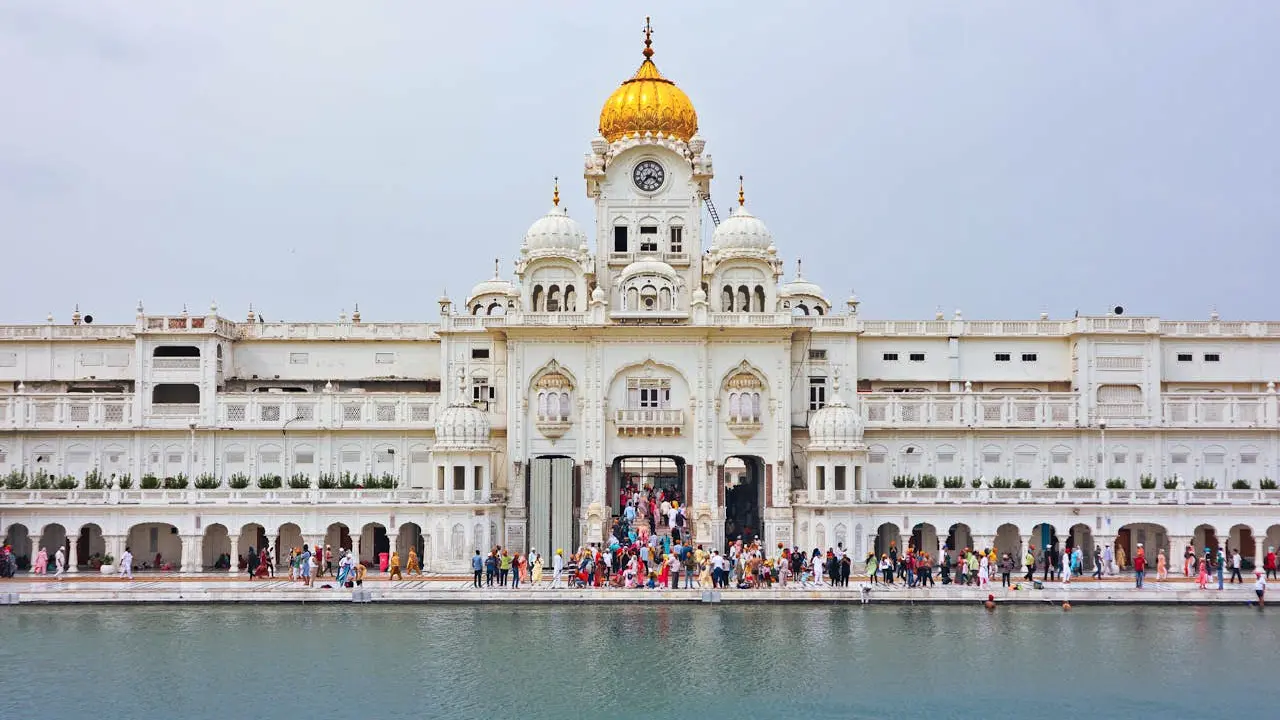
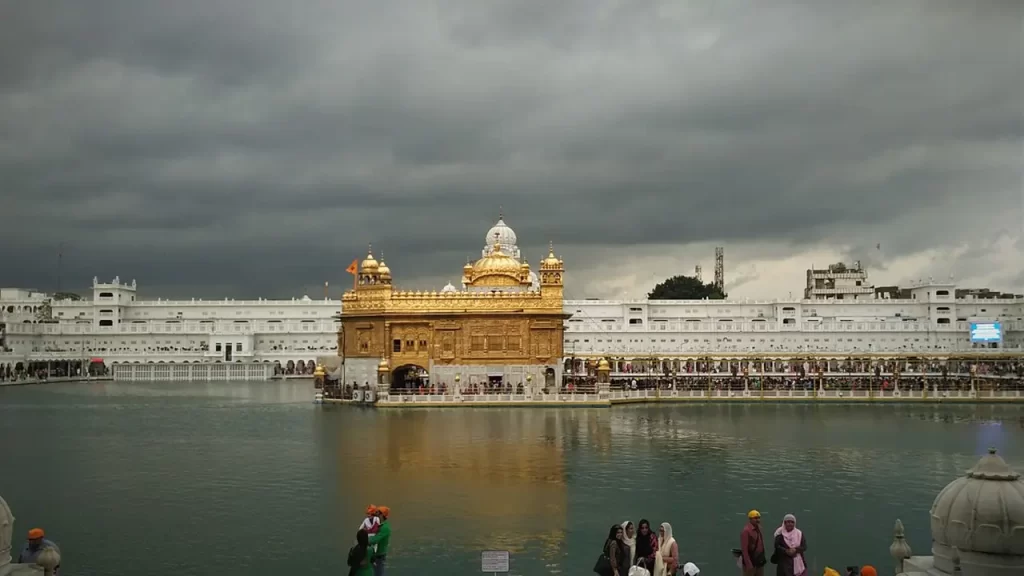
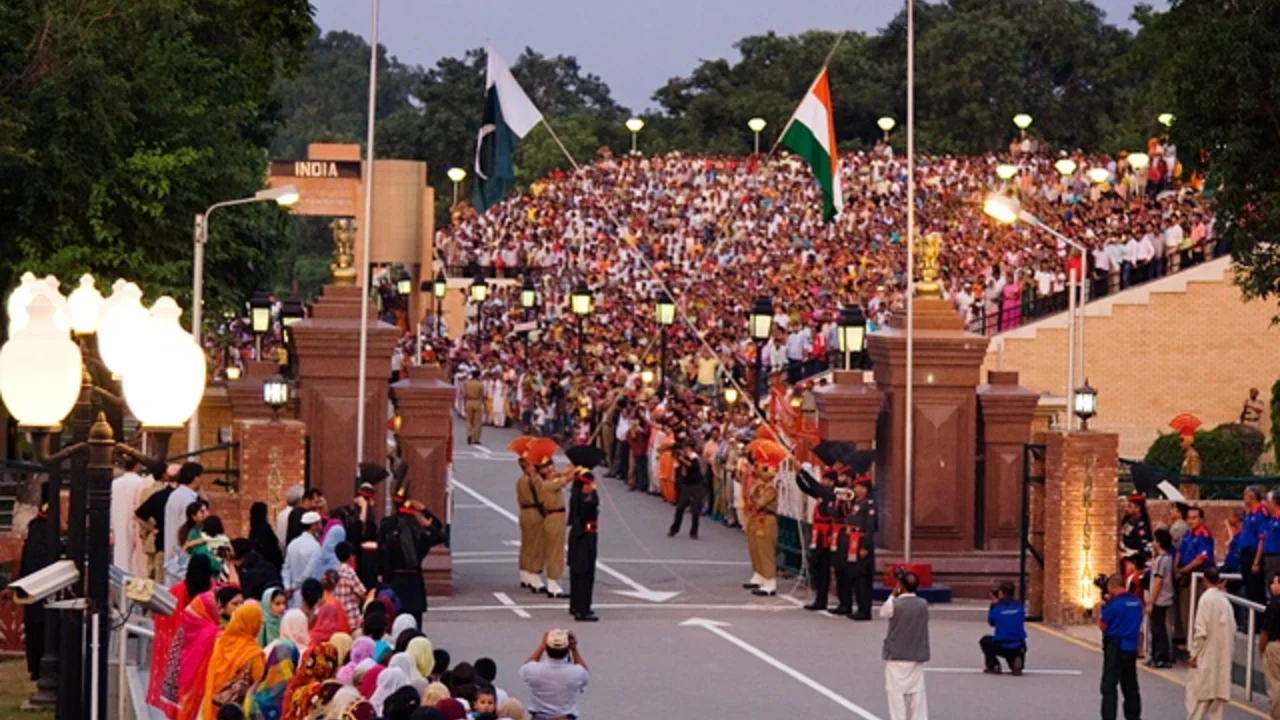
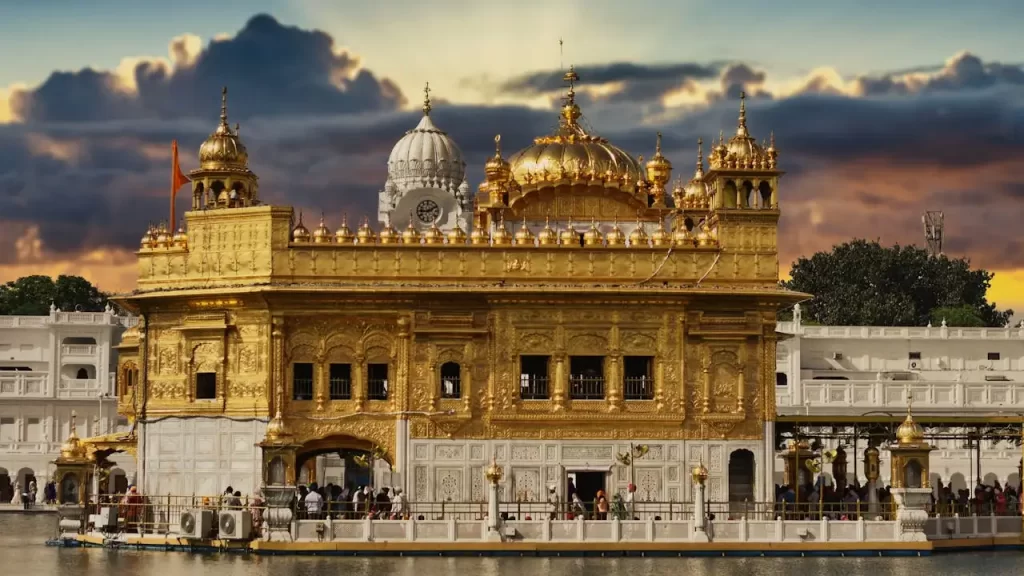
Amritsar, Punjab’s spiritual city, is the one place where people visit from all corners of the world for its culture, significance, and monuments. This city has its holy center, the Golden Temple, which is the holiest shrine in Sikhism and to which many heroes flock every year. But the question is: when is the best season to visit Amritsar? This article goes through the seasons of Amritsar and will help you choose the best time to visit and experience this great city at its prime.
Climate of Amritsar
Additional information before plunging into the best season in Amritsar: general climate of the city: Amritsar has a semi-arid climate- hot summers, rainy periods, and a cold season. Weather variations throughout the year make this destination a year-round visit, but the experience differs from season to season.
The seasons include
Summer (March -June)
Monsoon (July – September)
Winter (October – February)
The Ideal Visiting Season for Amritsar
During the winter, most enjoyable to visit the site of Amritsar. The temperatures are between 5 degrees Celsius and 20 degrees Celsius, where the climate is cool and pleasant, suitable for enjoying sightseeing and outdoor events. The crisp, cool air helps alleviate the effects of the dry heat caused by summer, which is excellent for visiting some of the historic and spiritual treasures in Amritsar.
Why Winter is the Best Season:
Pleasant Weather: The temperatures are moderate enough to enable a comfortable visit to sites such as the Golden Temple, Jallianwala Bagh, and others without the inconvenience caused by extreme heat.
Festivals and Events: This is also when a lot of festivities occur. The most important ones include the Baisakhi Punjab harvest festival, as well as Guru Nanak Jayanti, the birth date of the founder of Sikhism, Guru Nanak. These two festivals have processions and ceremonies from differing religions and incorporate many cultural performances.
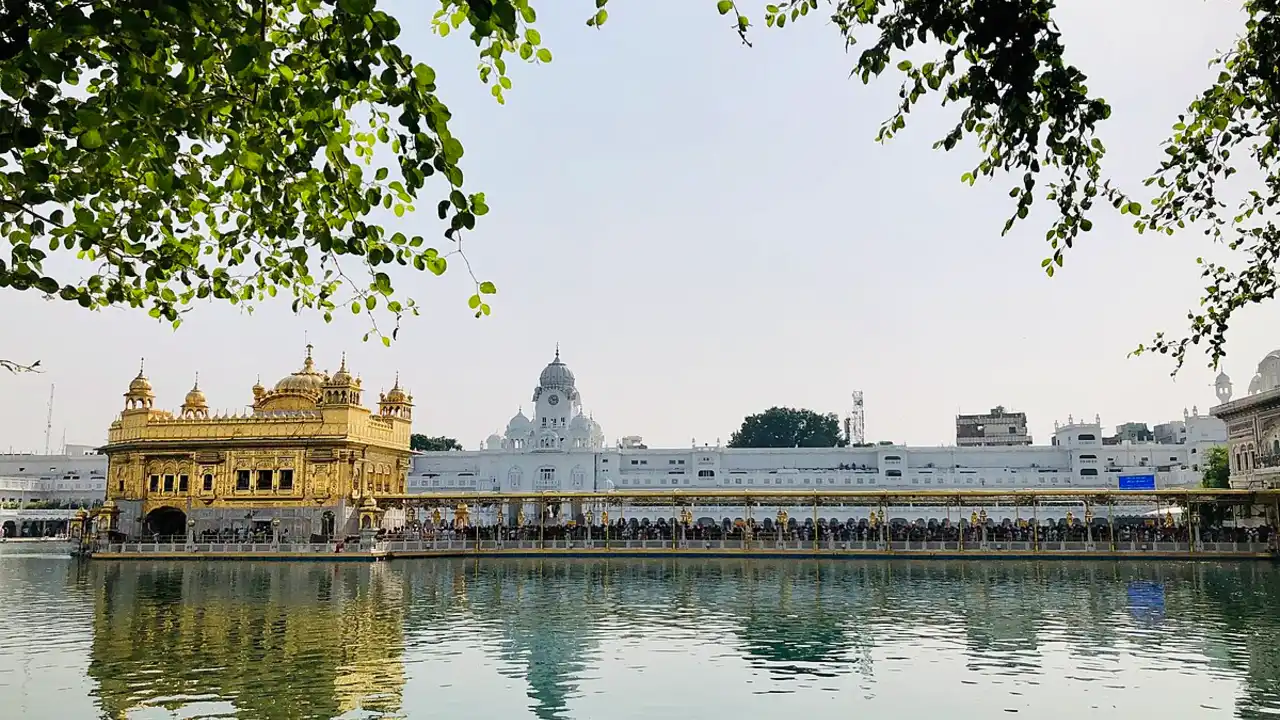
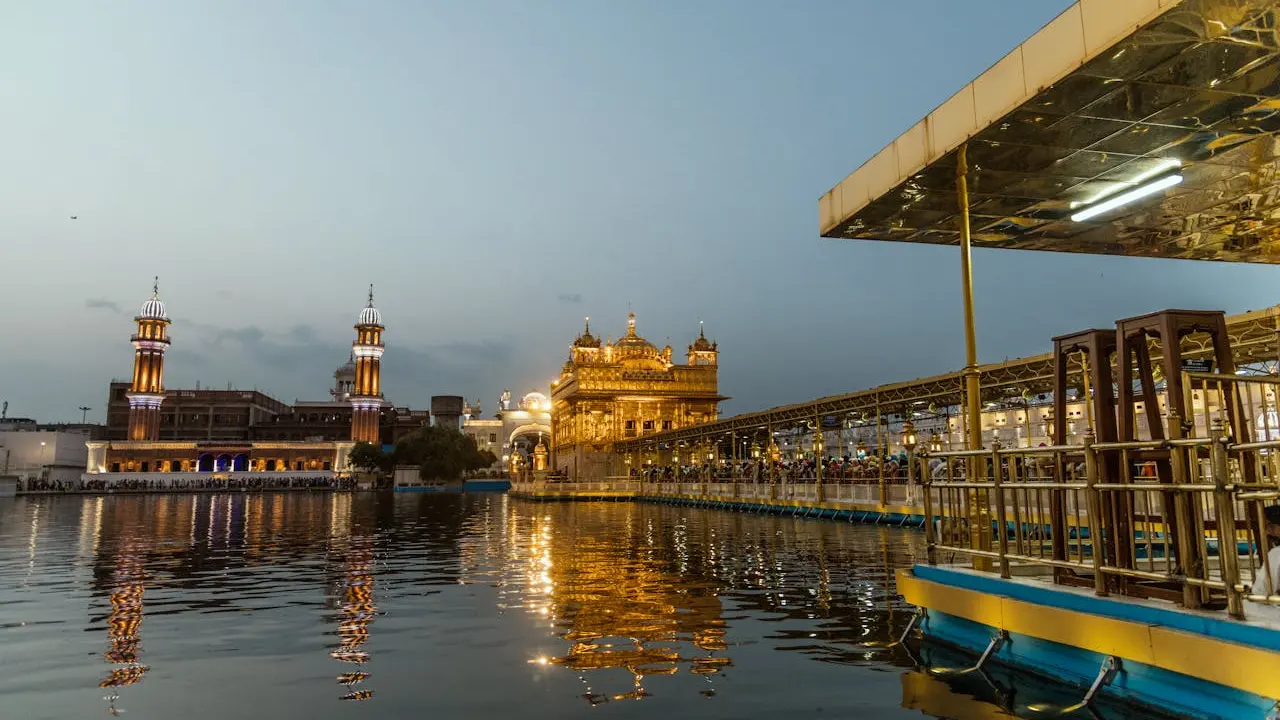
Golden Temple Experience: The misty colds and clear evenings during wintertime embellish the magic of the Golden Temple, making it the loveliest time to visit. After soaking up the rich atmosphere, this enthralling sight can engage anyone for hours. The reflection of the Golden Temple on the water of the holy pool (Amrit Sarovar) is soul-stirring.
Ideal For
Sightseeing: Ideal for visiting many places, among themRam tirath temple Amritsar the famous ancient Hindu Ramayana temple, as well many more temples and historic monuments.
Shopping: The streets of Amritsar, like Hall Bazaar, come alive during peak winter, and there are some good seasons to go shopping for local handicrafts, woolens, and the great Amritsari juttis (traditional footwear).
Summer (March to June)
Summer heat in: most of the hot summer months in Amritsar goes beyond 40 degrees Celsius (104 degrees Fahrenheit) very often. The sufferings brought about by the high-temperature ranges are nearly unbearable for those tourists not accustomed to such.
Heat Stroke: Extreme temperatures will impede sightseeing in hot afternoons. It is wise to avoid outdoor activities during noon.
Crowd: This Golden Temple always welcomes huge crowds; perhaps, during the summer, owing to the scorching sun heat, the footfall may slow down. Nonetheless, early mornings or cool evenings may still witness crowds of die-hard nature lovers.
Good For
Indoor Attractions: If visiting in summer, it will be good to go for indoor attractions such as the Partition Museum or Central Sikh Museum. These museums give an insight into the history and culture of Amritsar and can be enjoyed at cooler hours of the day.
Golden Temple in the Morning and Evening: Those dying to see the Golden Temple should go early in the morning and late in the evening, when the sun is tolerably in the way. Nothing can parallel the ambiance around the temple at this hour.
Monsoon
Monsoons in Amritsar are characterized by moderate rainfall and extreme humidity. The city ordinarily does not receive heavy rains, but some showers can upset your travel plans, slick streets, and muddy roads.
Reasons for Avoiding the Monsoon Season:
Unexpected Weather Changes: Rain showers can affect the outdoors in an instant. Bad humidity can push tourists to leave the city within two days. Flooded Streets: Heavy rains during monsoons sometimes flood some portions of the city and make walking impossible.
Humidity: High humidity adds to he discomfort, especially for those travellers not used to it.
That said, here is a Positive Aspect:
Lesser Tourists: Monsoons could give you quality me-time in Amritsar, as the distraction from fellow tourists would be minimal.
Lush Greenery: The rain does pamper the surroundings green, goes in sync with some breathtaking views for the clicks, especially at Ram Tirath Temple Amritsar, which almost becomes a secret garden.
Amritsar
Having presented all the seasons, here are a few pointers tips that correspond to planning your visit to Amritsar.
Choosing Comfortable Options: Should the heat be bothering you, do not consider times in peak months of summer. Rather, pursue winter, which is a good option for an enjoyable and comfortable visit.
Booking Accommodations: Amritsar nourishes tourists at an above-average rate year-round; this is especially so during festivals and religious gatherings. Some of the exceptional hotels nearby, for instance, the Hotel Grand Hridey Amritsar, provide good services and are near the Golden Temple; this is an advantage for tourists.
Packing Wisely: Pack warm clothing during winter below-zero temperatures, especially at night. Summer here assumes light, loose clothing and adequate sunblock. In case of rain, do not forget to carry an umbrella and loads of waterproof essentials.
Homegrown Transport Plan: Taxis and auto-rickshaws are available at all places in Amritsar. Strolling in the town is an eternal activity, and you may want to try to spend a half-day doing just that. ‘Sunshine’ season or ‘rainy’ season could utilize a lighter vehicle like local transport.
Don’t Give Them a Miss
This could be an excursion outside Amritsar. Amritsar is indeed packed with history and culture, yet nearby attractions include places such as:
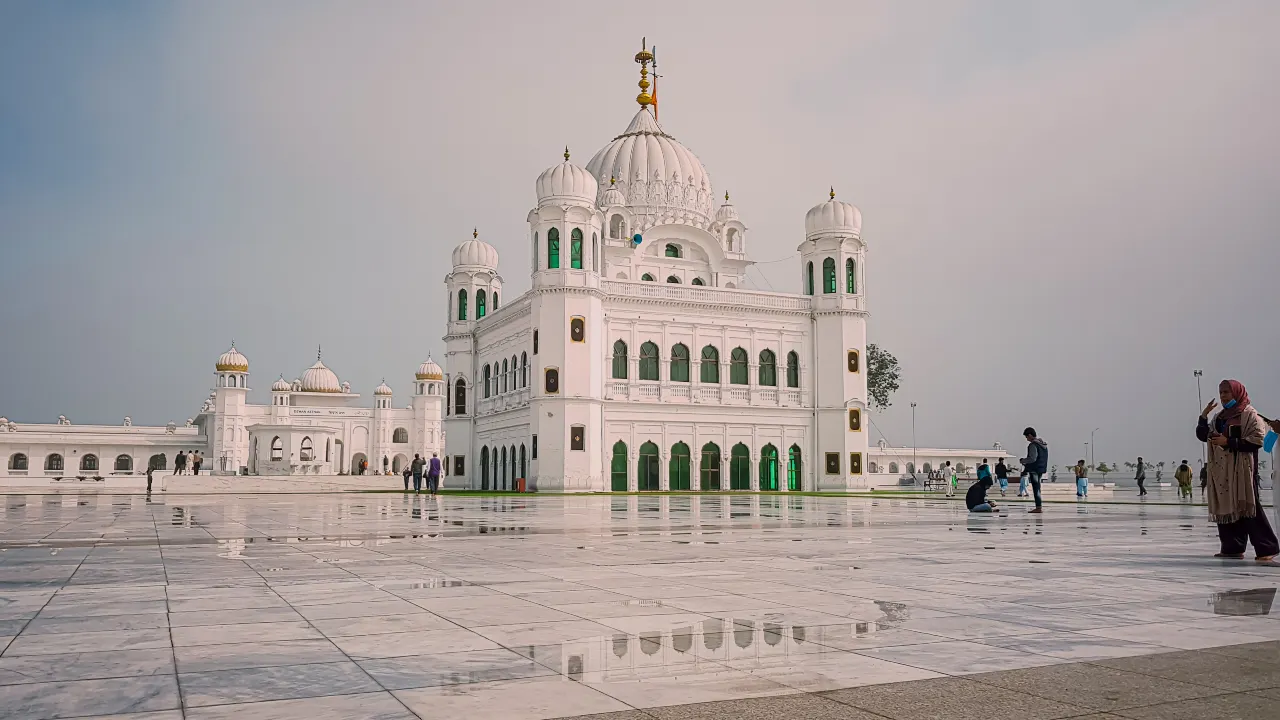
From Amritsar to Kartarpur Sahib: Cardinal Places in Sikhism of which one has been evolved to be just about 4 kilometers from the Indo-Pakistan border and is easily accessible from Amritsar. The Amritsar to Kartarpur sahib distance suits an easy and, thus, spiritually rich day trip for any guest who wants to visit this holy place.
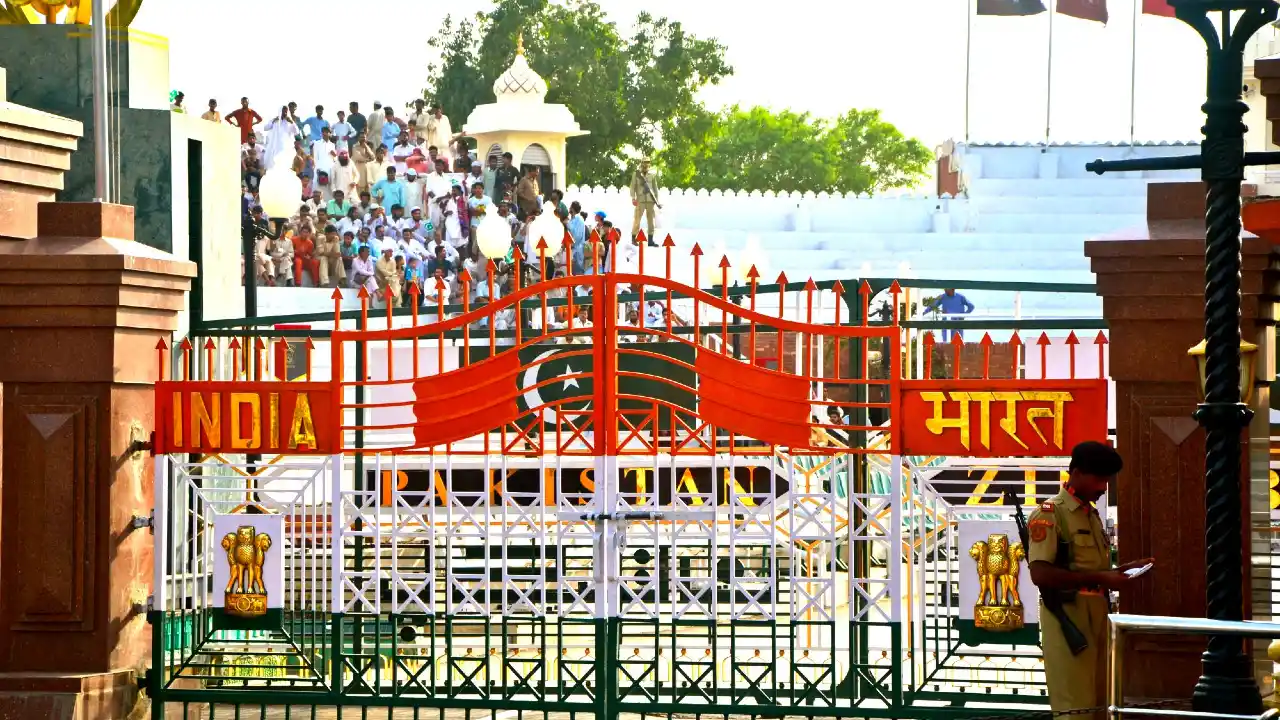
Wagha Border: From Amritsar, this is about 28 kilometers. This is another tourist attraction of the city, famous for the Retreat Beating ceremony, which happens daily every evening.
Ultimately, the decision regarding which would suit you best to season to visit Amritsar would remain purely personal. Those preferring gentle weather, coupled with cultural and religious fore-peak timing spent in the city, should claim winter as their best option. Summer would suit the traveler who likes it a whole lot quieter when it means putting up with temperatures that much.
Amritsar has something unique for every season. Be it the muse of spirituality from the Golden Temple, the riot of colors during festivals, or the ghostly silence of monuments from yore, the city will not disappoint you. So prepare well for your trip, whichever season you choose, Amritsar will etch its impressions in your heart forever.
Hence, it can be concluded that the winter months from October to February would be the best season to visit Amritsar for the reason that tourists can enjoy the pleasantly mild weather and also experience all that Amritsar has to offer in terms of landmarks, festivals, and the spiritual atmosphere of that season. Whenever you visit, Amritsar promises to be an unforgettable experience.
FAQs
What is the Best Season to Visit Amritsar?
The best season to visit Amritsar is October until February, which is pleasantly cool and offers temperatures of 5-20 degrees Celsius, which is excellent for sightseeing and outdoor activities. In winter, some of the most important Sikh festivals fall into this period, allowing for an enriched cultural experience
Is an excursion to Amritsar during the summer months feasible?
Summer could prove to be a tough time for a visit owing to the intensely hot heat (generally above 40 °C). Not that summer is an outright no-no for the brave souls. A forthrightly few would, however, find the temperatures conducive for city strolls in the morning and the evening.
Is it a good time of year to travel to Amritsar during the rainy season?
It rains quite heavily during the monsoon, thus making traveling and outdoor activities difficult, thus making monsoon seasons a not-so-ideal time to visit Amritsar. Dense crowds are avoided during this time, and after Raul, nature looks beautiful and green.
Why is winter truly nice in Amritsar?
With nice winters filled with pleasant weather that turns out to be just perfect for sightseeing, the best season to visit Amritsar is wonderful. The temperature hovering between 5 degrees Celsius and 20 degrees Celsius is pretty comfortable for visiting sites like Golden Temple and enjoying outdoor activities. Lovely wastelands welcome you to all the other festivities that set in during this time.
Amritsar, a living city in Punjab, India, is endowed with a deep history, diverse culture, and spiritual sentiment. The breathtaking Golden Temple does not need much of an introduction; it is a living monument of salvation and peace. Equally interesting is the adjacent Wagah Border, where the famous Beating Retreat parade is held daily in the evening. It is, however, important that one knows the best time to visit Amritsar and Wagah Border to completely imbibe the charm these places have to offer. Whether in search of spiritual pursuits, a historical tour, or something cultural to just unwind in, then knowing the months and seasons, along with what impact they have on one’s visit, is surely an added advantage.
From the perspective of the best time to visit Amritsar and Wagah Border, a few factors come into play: the weather conditions, crowded or not crowded, and any particular events that you would like to experience. This means a multitude of seasons throughout the year, which would quite heavily influence your travel itinerary.
Winter- From October to March- Best Season
The best time to visit Amritsar or Wagah Border would be winter- from October to March. The time is ideal for sightseeing in crisp and pleasant weather. Winter temperatures in Amritsar range from 5 degrees C at night to 20 degrees C at noon.
Reasons why Winter is the Best time to visit Amritsar and Wagah Border:
Golden Temple: Winter months allow you to spend warm hours in the Temple. You can wake up early to attend prayers and not have to worry about the heat during the ‘Palki Sahib’ ceremony in the evening.
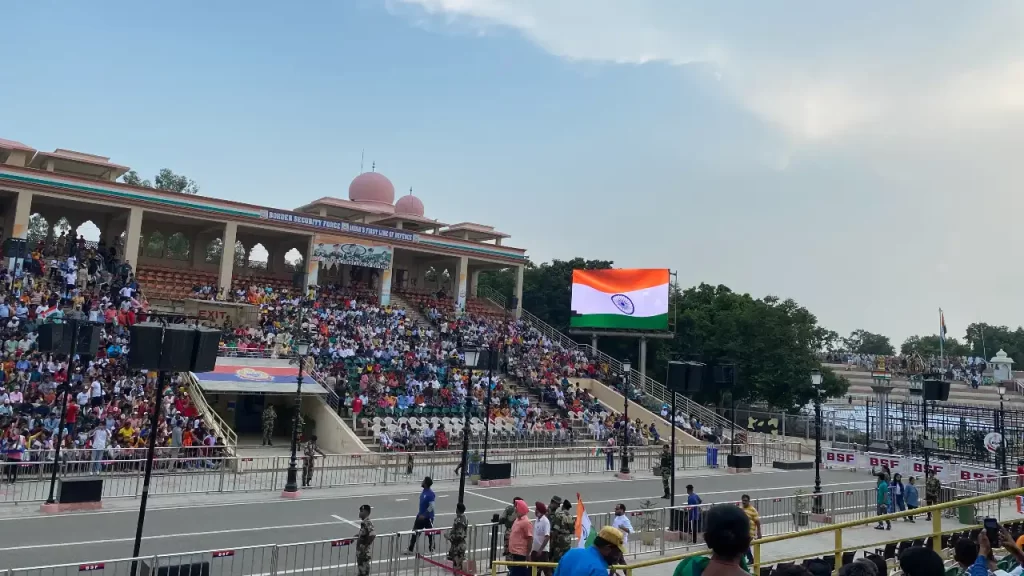
Wagah Border Ceremony: Another equally best winter attraction is the evening Beating Retreat ceremony at Wagah Border. Watching synchronized drills performed by soldiers from India and Pakistan is delightful, with the cool winds offering added comfort.
Festivals: If lady luck smiles at you, your visit could coincide with huge Sikh festivals- Guru Nanak Jayanti in November or Baisakhi in April. The festivals are celebrated with pomp in Amritsar. Such events are cultural experiences that not many get to experience firsthand.
Accommodation: During the winter, Amritsar gets crowded with pilgrims and tourists. Booking accommodation beforehand at Hotel Grand Hridey Amritsar lets visitors enjoy good-quality lodgings near the Golden Temple and other sightseeing places.
Winter travel tips
Bring warm clothes; it will be chilly at night.
There is a lot of tourism; chiefly, the fun, however, would also be visiting the Golden Temple.
Summer (April- June)-the one time Hot but Fun
The months of April to June truly scorch in Amritsar. In the days, temperatures usually rise past 40 degrees Celsius, and hence, many outdoor activities are invalidated. Summer, however, has one plus.
Reasons forthe Best Time to Visit Amritsar and Wagah Border in Summer:
The Scorching heat keeps many tourists away from traveling, and thus there is a very small crowd in comparison to winter months. This adds to the charm, and indeed, the place is quite peaceful for a solitary experience.
Affordable Cost: Since there aren’t a lot of tourists around, the rates for accommodations also get reduced. In case you’re eyeing summer for your travel, you’ll get some awesome deals on hotel bookings, including such gems as Hotel Grand Hridey Amritsar.
Wagah Border: Wagah Border trip: The ceremonies are carried out as usual every summer night, so make sure to carry lots of water and be thoroughly prepared for the heat. Just as exhilarating and patriotic as it has always been.
Clothing: Light material and breathable wear during the day will be accompanied by a hat or sunglasses for protection from the sun.
Hydration: Drink water to keep hydrated throughout the day, and treat this advice as vital while you enjoy outdoor places like the Wagah Border.
Timing: Go to the Golden Temple as early as possible to evade the searing midday sun.
Monsoon (July-September)-Mixed Experience:
Amritsar, from July to September, observes mixed rainfall and humid weather, yet in the monsoon season, this is associated with the bright green lushness all around. Heavy rainfall indeed makes travel a little tricky.
Reasons for the Best Time to visit Amritsar and Wagah Border during Monsoon: Greenery:
The arrival of the rains in Amritsar defines the beauty of the landscape that augments the refreshing look of the city.
Fewer Tourists: It is off-season, which means fewer crowds at the main tourist places like the Golden Temple, making your visits more intimate.
Wagah Border: The ceremonies at Wagah are performed regardless of the monsoon, so be prepared for any weather surprises.
Monsoon Travel Tips:
Rain Gear: Carry an umbrella or raincoat to keep yourself dry from the rain.
Avoid Waterlogged Areas: Some areas may have become waterlogged; therefore, step wisely while walking around.
Timing: Check the weather report to see if it is going to rain or not before heading to the Wagah Border. Rain might interfere with the scheduled timings of the ceremony.
Amritsar and Wagah Border get festive on certain occasions; hence, visiting these euphoria-flooded venues is best done during such times.
Baisakhi-April: This harvest festival is an extremely important festival for the Sikh community. The Golden Temple is illuminated in all its glory, and the whole city is abuzz with festivities. This is when the Beating Retreat at Wagah Border takes on a special patriotic fervor.
Guru Nanak Jayanti-November: This is one of the holiest festivals for Sikhs, and Amritsar will be the place to visit at this time. The Golden Temple will be lit up beautifully and decorated, and the atmosphere will be charged with devotion. The experience of a lifetime.
Eid and Diwali: These festivals are celebrated by many communities in Amritsar, but if you want a cultural experience, you may purposely pick these festivals for the contrast.
Other Sites Tourists Can Visit In Amritsar
Amritsar has some other attractions to soothe your visit, while the Golden Temple and Wagah Border are the prime attractions.
Jallianwala Bagh: This historical site near the Golden Temple pays homage to the killings of the 1919 massacre, which are of utmost significance in India’s fight for independence.
Ram Tirath Temple Amritsar: This temple is located on the outskirts of the city and has religious significance for Hindus associated with the great epic of Ramayana. The visit to this temple is spiritually soothing amid this frantic city.
Amritsar to Kartarpur Sahib Distance: Kartarpur Sahib Gurdwara in Pakistan is considered an ideal cross-border pilgrimage for interested travelers, being hardly around 4.7 km from the Indian border. A visa-free pilgrimage from Amritsar to this historic site gives quite an experience.
Where To Stay In Amritsar
Amritsar is loaded with hotels and lodges for any kind of budget and taste. Those wishing to stay in an opulent setting with easy access to the Golden Temple and Wagah Border can take into consideration the Hotel Grand Hridey Amritsar. This hotel offers comfort, convenience, good service, and a base to explore this city.
The best time to visit Amritsar and Wagah Border is during winter, between October and March when it is cool and pleasant. But as they say, every season comes with its charm and points. Summer is not crowded, hence cheaper; the monsoon is extremely beautiful with vivid greenery and few tourists. When to go is your choice; the spirituality glittering from the Golden Temple, the patriotic vibe at Wagah Border, and the warmth of the people make your travel worth remembering.
Plan accordingly for Baisakhi or Guru Nanak Jayanti for an unforgettable experience.
FAQS
Ideal Time to Visit Amritsar and Wagah Border?
Usually, the period that is considered the best time to visit Amritsar and Wagah Border is the month of October to March. The days will be quite cold during winter, nights will be just moderately cool, and a very good time for sightseeing at the Golden Temple or during the Wagah Border ceremony, accompanied by the beautiful festival atmosphere of Baisakhi and Guru Nanak Jayanti.
Is it possible to enjoy a full trip to Amritsar and Wagah Border during the summer?
Medical advice states that this is the best place to visit during the summer; however, it gets as hot as an oven, with temperatures exceeding well over 40 degrees Celsius. In summer, it is the only time that Amritsar and Wagah Border can be enjoyed in the early morning hours or sunset when it is extremely hot, and the crowd is a little less, making it a very peaceful visit to the Golden Temple and Wagah Border.
Is the Wagah Border ceremony dependent on climatic conditions?
There is a Border ceremony going to happen at Wagah every evening, about the seasonal difference. Summer and monsoon are, however, extremely hot periods mostly related to higher chances of rain and would make your experience quite uncomfortable. The winter is the best time to visit Amritsar and Wagah Border in terms of neatness and properly celebrated ceremony.
Mention some other nearby destinations apart from Amritsar and Wagah Border.
We know that apart from the Golden Temple and Wagah Border there are a few other eminent destinations that include Ram Tirath Temple in Amritsar, Jallianwala Bagh, and Amritsar to Kartarpur Sahib – A spiritual-historical gastronomic potboiler that you would like to recharge during this best time to visit Amritsar and Wagah Border.
How do I look for some very nice and comfortable accommodations close to the Golden Temple and Wagah Border?
The aforementioned major attractions are fast booked and crowded during the best time to visit Amritsar and Wagah Border. One apt option that can work in your favor is Hotel Grand Hridey Amritsar, which is comfortably situated off the doorsteps of the Golden Temple and Wagah Border and hence would help you in conveniently finding ideal comfortable accommodation for your stay.
A place full of history, culture, and spirituality, Amritsar is one of the most sought-after cities for a short trip. Two days would suffice to visit the famous places of the city, lively bazaars, and religiously silent sites. Here’s an exhaustive guide for places to visit in Amritsar in 2 days’- all places to visit – and thus ensuring a visit worth a lifetime.
Day 1: Exploring the Heart of Amritsar
Morning: Golden Temple (Harmandir Sahib)
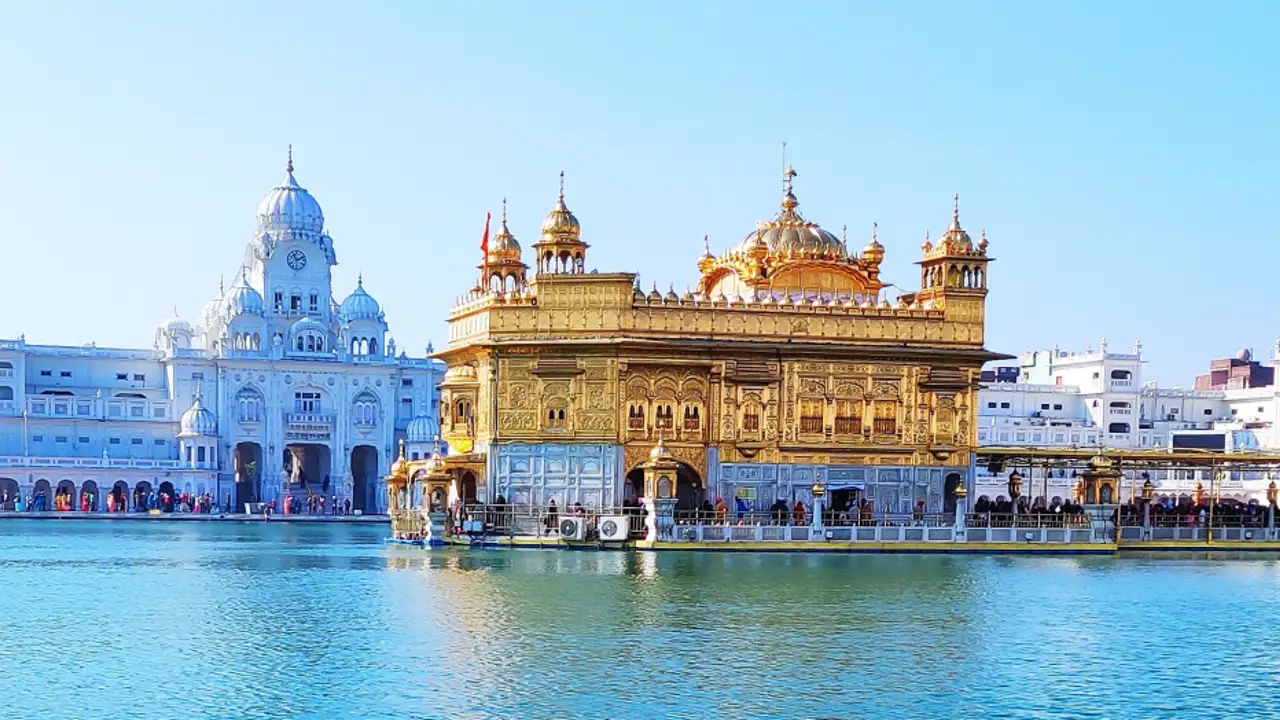
Start with the Harmandir Sahib, often called the Golden Temple. As one of the must-visit Places to visit in Amritsar in 2 days, this golden-topped majestic temple surrounds the holy Amrit Sarovar-a very holy pool-but still it will not compare as a place for someone to be totally peaceful.
Highlights
See the sacred atmosphere with followers chanting their verses and songs.
Visit Langar Hall which serves free food to thousands every day, regardless of caste or creed.
Admire the temple’s complex architecture, a blend of Mughal and Sikh styles.
Tip: It’s worth rising before the crowd does so one can view sunrise with its sunbeam reflections off of the golden dome.
Jallianwala Bagh
Jallianwala Bagh is within a walking distance from the Golden Temple and is one of the places to visit in Amritsar in 2 days, and reminds people of India’s struggle for independence. This is the place where hundreds of unarmed civilians were killed in 1919 during the massacre.
Highlights
Observe the preserved bullet marks and the eternal flame of remembrance.
Learn about the tragic event through exhibits and information boards.
Pro Tip: Spend 30–45 minutes wandering around the site and reflecting on its historical importance.
Afternoon: Partition Museum
Spend your afternoon at the Partition Museum, the only museum exclusively dedicated to India and Pakistan’s 1947 partition. By photographs, artifacts, and oral histories, this museum gives visitors a deep insight into one of the most momentous events in South Asian history.
Highlights
See powerful exhibits that tell personal stories of migration and perseverance.
Learn about the impact of partition on millions of lives.
Durgiana Temple
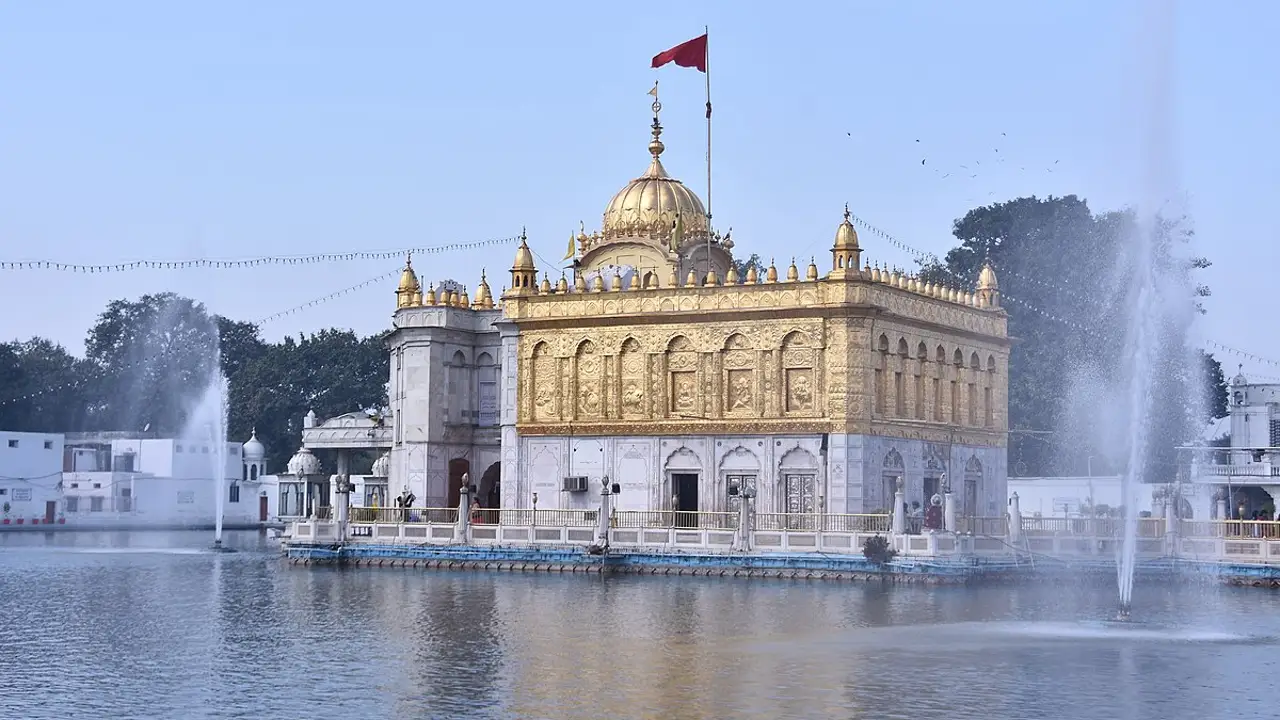
Visit the Durgiana Temple, a less-known but equally beautiful structure, also known as the “Silver Temple.” This temple is dedicated to Goddess Durga and has architecture similar to the Golden Temple but is surrounded by a sacred water tank.
Highlights
Admire the intricately carved silver doors.
Witness the spiritual ambiance of this revered Hindu temple.
Evening: Wagah Border Ceremony
End your first day with the high-energy Beating Retreat Ceremony at the Wagah Border, about 30 kilometers from Amritsar. This daily military practice by Indian and Pakistani soldiers is a spectacle of patriotism and camaraderie.
Highlights
Cheer alongside the crowd when soldiers do the synchronized drills.
Watch flags come down ceremonially at sundown.
Pro Tip: Come early to ensure a good seat, especially when tourist seasons are at their peak.
Day 2: Delving Deeper into Amritsar’s Charm
Morning: Ram Tirath Temple
Visit the Ram Tirath Temple. It is one of the must-visit places to visit in Amritsar in 2 days. This ancient site is identified with the Ramayana, said to be the birthplace of the sons of Lord Rama Lav and Kush. The temple complex comprises a big pond and several old structures.
Highlights
Walk around the sacred pond said to be dug by Hanuman.
View ancient huts and shrines scattered inside the temple premises.
Maharaja Ranjit Singh Museum
Next, visit the Maharaja Ranjit Singh Museum, which is dedicated to the first Maharaja of the Sikh Empire. It is based amidst a very beautiful garden depicting the life and legacy of the “Lion of Punjab.”
Highlights
View exhibits of weapons, paintings, and coins from the Maharaja’s era.
Study the contributions of Sikhs in history as well as the unification of Punjab.
Travel Note The museum is excellent for history fanatics and even families.
Afternoon: Gobindgarh Fort
Visit Gobindgarh Fort, this historical landmark, which has transformed itself into a cultural haven. This is an 18th-century fort that has been revived with active displays, live performances, and multimedia presentations post-lunch.
Highlights
Watch the 7D show, “Sher-e-Punjab,” which tells the life story of Maharaja Ranjit Singh.
Enjoy the traditional folk dances and songs of Punjab.
Visit the museums of the fort to explore its strategic value.
Jama Masjid Khairuddin
Proceed with Jama Masjid Khairuddin, a beautiful architectural structure built in 1876. This mosque is full of intricate designs and historical significance, symbolizing communal harmony.
Points to Note
Marvel at the mosque’s beautiful domes and minarets.
Learn about its role during the freedom movement as it was the meeting place for revolutionaries.
Evening: Hall Bazaar
Close the two-day tour with some shopping at Hall Bazaar, one of the oldest and most vibrant markets in Amritsar. It is a busting market selling traditional garments, Phulkari embroidery, Amritsari juttis (shoes), and handcrafted jewelry.
Highlights
Browse shops for souvenirs and local handicrafts.
Enjoy great street food items like Amritsari kulcha and lassi.
Pro Tip: Haggling is a norm; bargain for the best offers.
Additional Tips for Your Amritsar Trip
Accommodation recommendations:
For a comfortable stay, book a room at Hotel Grand Hridey Amritsar, as it is very close to the attractions. The hotel has modern facilities and is an excellent choice for both families and lone travelers.
Travel Tips for Kartarpur Sahib
If you’re going to prolong your stay, then Kartarpur Sahib in Pakistan is the next destination to be considered. Amritsar to Kartarpur Sahib distance is about 50 kilometers apart. Check for the visa and travel requirements for the smooth flow of your trip.
Why Amritsar Should Be on Your Bucket List
This two-day itinerary encompasses the best places to visit in Amritsar in 2 days. If it’s to visit the most revered shrine of the Sikhs, one of the world’s most significant sacred sites Temple-or other very important historical sites like Jallianwala Bagh-it’s one place that perfectly blends into your family tour. Take the great heritage, rich culture, and hospitality of Amritsar city through a package custom-made for you.
Conclusion
It is an experience in the rich heritage and spiritual ambiance of Amritsar, which lies under a vibrant culture. Amidst the places to visit in Amritsar in 2 days, you would be able to embrace the historical importance and deep-rooted spiritual appeal along with a wide-eyed local life. From the serenity of the Golden Temple and the poignant sight of Jallianwala Bagh to the Gobindgarh Fort and the Wagah Border ceremony, every site has a story that would return to them again and again.
Our itinerary also consists of gems such as the Ram Tirath Temple Amritsar, steeped in mythology, and the Maharaja Ranjit Singh Museum, which tells you about Punjab’s glorious past. If you want to shop and relish local flavors, Hall Bazaar is the place to end your journey. These carefully curated places to visit in Amritsar in 2 days ensure you make the most of your time in this iconic city.
Whether you are an admirer of history, a spiritual explorer, or a foodie, Amritsar offers everything that satisfies every tourist. Plan your trip accordingly and get ready to see these places to visit in Amritsar in 2 days and carry those memories throughout your life. The warmth of the city with its ancient tourist attractions will give you an urge to revisit it. So, pack your bags and delve into the heart of Punjab’s culture and heritage.
FAQ’s
Is 2 days sufficient for Amritsar?
Yes, 2 days are sufficient to explore the best things to do in Amritsar, including iconic sites like the Golden Temple in Amritsar, Jallianwala Bagh, and the Wagah Border. Stroll through the vibrant markets, indulge in Punjabi cuisine, and visit the top Amritsar tourist places for an enriching experience.
How many places to see in Amritsar?
How many places to see in Amritsar? Amritsar boasts numerous iconic places to visit, including the Golden Temple in Amritsar, Jallianwala Bagh, Wagah Border, Durgiana Temple, and the Partition Museum, making it a treasure trove of tourist attractions.
Which month is best for Amritsar?
The best time to visit Amritsar is between the months of November and March. During this time, the weather is quite pleasant and provides the best opportunities for sightseeing and exploration. It should be noted, however, that sometimes temperatures can touch minus 4 degrees Celsius.
This blog takes you through various sightseeing opportunities in the city, so that you do not miss anything when you visit the city. From heritage landmarks to culture experiences, we have covered everything that you will need for this trip to be full of fun and adventure in Amritsar.
Why Visit Amritsar?
A place with rich cultural heritage, historical importance, and vibrancy is the reason one comes to Amritsar. There are several landmarks inside the city, such as the famous Golden Temple-the holiest shrine for Sikhs, which narrates stories about India’s past. Understanding these sites makes your Amritsar local sightseeing a memorable experience.
Key Attractions in Amritsar
1. The Golden Temple (Harmandir Sahib)
Timing: All through the 24-hour clock
Golden Temple is a heaven of serenity and divinity. Its architecture leaves one in awe, coupled with its serene surroundings. So, this should be at the top of your check list for Amritsar local sightseeing. Do please check the timings of the Langar, which is basically the community kitchen that dispenses free meals to thousands visiting every day.
2. Jallianwala Bagh
Timing: 6:30 am to 7:30 PM.
The place, Jallianwala Bagh, memorialises the tragic massacre that happened here in 1919. Walking through this Bagh helps to have a reflective silence over India’s freedom fight. Do not forget this in your Amritsar local sightseeing schedule.
3. Partition Museum
Timing : 10 AM to 6 PM
This gives an idea about the people affected by the Partition of India in 1947. The place is an excellent supplement to the Amritsar local sightseeing, because it deals with historical happenings and how they transformed the nation.
4. Wagah Border
Timing: Border closing ceremony usually starts at 5 PM
Watch the spectacular Beating Retreat ceremony at Wagah Border between India and Pakistan. The ceremony is a daily military practice that attracts huge crowds and is a memorable part of Amritsar local sightseeing.
5. Gobindgarh Fort
Timing: 10 AM to 10 PM
This historical fort holds the rich history of Punjab and has become a cultural hub. Folk performances can be a part of your local sightseeing in Amritsar to make it more interesting.
6. Durgiana Temple
It is available from 6 AM to 9 PM.
The Durgiana Temple is dedicated to Goddess Durga and looks somewhat similar to the Golden Temple; however, it is also a very important pilgrimage destination. It is surrounded with a very peaceful lake, as well as well-taken care of gardens so that you should definitely be stopping here on your Amritsar local sightseeing tour.
7. Ram Bagh Gardens
Timing: 5 AM to 9 PM
Ram Bagh is the historic garden of Maharaja Ranjit Singh. Scenic, a picnic spot and leisurely strolling around, it provides relief from the bustle of the city.
Culinary Experiences in Amritsar
1. Amritsari Kulcha
When in Amritsar, one should definitely try Amritsari Kulcha. There are many local shops that serve this delicious bread often stuffed with potatoes and spices. Do not forget to include it in your foodie journey of Amritsar local sightseeing.
2. Lassi
A trip to Amritsar isn’t complete without sipping on the creamy and delicious lassi. It’s the perfect refreshment after a day of exploring.
3. Street Food
Amritsar is one of the greatest places where you can indulge in street food. Chaat, pakoras, and golgappas from the street stalls are sure to taste you some authentic Punjabi flavors.
4. Punjabi Thali
Here you can enjoy Punjabi tradition thali in the menus of hundreds of restaurants across butter chicken, dal makhani, and paneer butter masala.
Shopping in Amritsar
1. Hall Bazaar
This bustling market is quite good to buy all items of Punjabi traditional with handiwork like embroidery clothes phulkari and crafts. Shopping here makes local sightseeing in Amritsar more exciting.
2. Katra Jaimal Singh Market
Another colorful shopping spot, the market sells a variety of fabrics, accessories, and local snacks.
3. Handicrafts of Amritsar
Do not miss the opportunity to buy beautiful handicrafts, including Punjabi juttis and brassware. They are good souvenirs.
Accommodation: Where to Stay
Finding the right accommodation place can help make your Amritsar local sightseeing experience in Amritsar all the more rewarding. ConsiderHotel Grand Hridey Amritsar. Its comfort and amenity quotient, along with the accessibility of major attractions, is highly appreciated. All such places are easy to visit.
Local Transportation
Navigating Amritsar is easy with options ranging from auto-rickshaws to cycle-rickshaws. For a more comfortable experience, consider hiring a private taxi for your Amritsar local sightseeing journey.
Dress modestly : Dress properly when you visit places of worship such as the Golden Temple.
Stay Hydrated: Hydrate: Carry water, especially in summer, and stay refreshed while discovering.
Plan your itinerary: Prioritise all attractions so that you could fit in as much as possible.
Respect Local Customs: Be mindful of local traditions and practices, especially in sacred places.
Local Festivals and Events
1. Baisakhi
Baisakhi comes in the month of April. It is the Punjabi New Year and Harvest Festival. Temple of golden work gets beautifully decorated and folk songs and dances are heard all through.
2. Gurpurab
Gurpurab is the birthday of Guru Nanak Dev Ji; it is celebrated with great zeal and fervor. Procession, prayers, and special ceremonies of Golden Temple form this unique time to experience the city.
3. Lohri
This festival, celebrated in January, marks the end of winter. It involves bonfires, singing, and dancing, creating a festive atmosphere throughout the city.
Safety Tips for Tourists
While Amritsar is a safe destination for tourists, it is always wise to take precautions:
Keep Your Valuables Safe: Use hotel safes and avoid displaying expensive items in public.
Be Aware of Your Surroundings:You should also know your environment, especially in crowded places.
Travel Insurance: Obtain travel insurance as an additional safety measure when you venture out.
Conclusion
From tourist attractions to a culinary and shopping experience, Amritsar will be a place with various experiences for visitors. Incorporating major attractions, gastronomic delights, and shopping options, your local Amritsar sightseeing will be enriching and memorable. Don’t forget to book your stay at Hotel Grand Hridey Amritsar for comfortable abode while exploring the city. Rich history, culture, and hospitality all at once make Amritsar an unrepeatable place and leaves an impression for ages.
FAQs
What can I do in 1 day in Amritsar?
Tourist Places
Sachkhand Sri Harmandir Sahib Sri Darbar Sahib. Category Historic, Religious. …
Durgiana Temple. …
Ram Tirath. …
Wagah Border. …
Jallian Wala Bagh. …
Maharaja Ranjit Singh Museum. …
Gobindgarh Fort. …
Pul Kanjari.
How many places to visit in Amritsar?
Best Places to Visit in Amritsar
Tourist Places in Amritsar Sri Durgiana Temple, Hall Bazaar, Jallianwala Bagh, Gobindgarh Fort, Ram Bagh Palace
Best Time to Visit in Amritsar October to March
Things to Do in Amritsar Katra Jaimal Singh Bazaar, Golden Temple, Amristar, Partition Museum, Ram Tirth Temple, Harike Wetland
What is the famous thing of Amritsar?
The crown jewel of Amritsar, the Golden Temple is unquestionably its main center of attraction. Built in the 16th century, the shrine is an open house of worship for people belonging to all walks of life and religious affiliation.
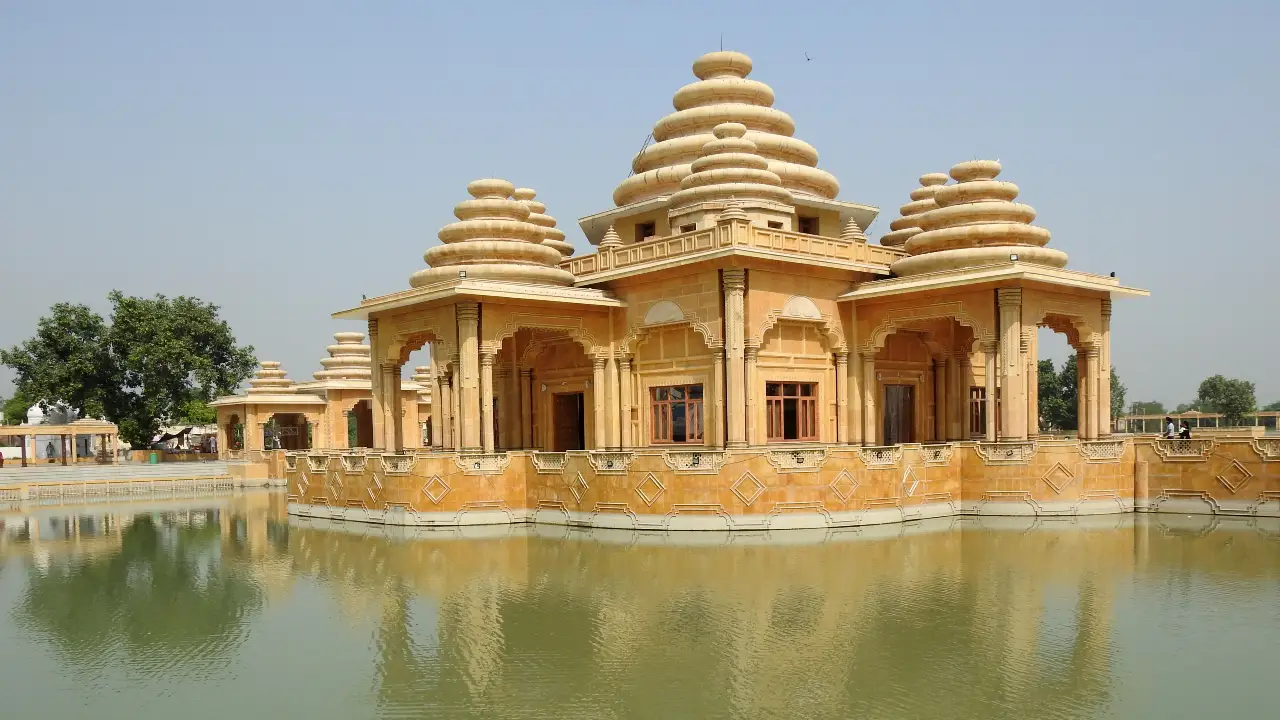
Shri Durgiana Temple Amritsar is one of the most striking temples in Punjab, following the Golden Temple in regard to architectural design. Located at the very heart of Amritsar, it attracts millions of devotees and tourists. As it is a historical monument, grand festivals, and architectural beauty, Shri Durgiana Temple remains a landmark for Hindu worship and cultural heritage. Get the full information about Shri Durgiana Temple in Amritsar before you visit.
The History of Shri Durgiana Temple Amritsar
The origins of Shri Durgiana Temple Amritsar date back to the early 20th century when the temple was constructed with a similarity to the Golden Temple in Amritsar. Constructed by Harsai Mal Kapoor in 1921, it was set up as an homage to Goddess Durga and offered a venue for Hindu devotees to pay their respects near the very famous Golden Temple.
Inspiration and Construction: The temple is designed exactly like the Golden Temple. It has a water pond around it with a shrine in the middle, accessed through a marble bridge. These architectural styles are symbolical and represent peace and devotion.
Architectural Marvels of Shri Durgiana Temple
The architectural brilliance of Shri Durgiana Temple Amritsar has an excellent blend of Mughal and Sikh architecture, constructed from white marble which has gold-like tints accentuated by intricate carvings and paintings related to Hindu mythology.
Main Shrine And Surrounding Pond: With a holy pond encasing the temple, the complex exudes reflective beauty added to the architecture, creating the most peaceful environment for any devotee.
Iconic Carvings and Interiors: The interiors feature intricate carvings of Hindu gods and goddesses and extensive gold work. A gold dome makes the sanctum look even more divine
.
Religious Importance and Deities in Shri Durgiana Temple Amritsar
The Shri Durgiana Temple Amritsar is primarily dedicated to Goddess Durga a central figure in Hindu beliefs as the Mother Goddess. notwithstanding the temple too includes shrines sacred to master krishna master vishnu and master hanuman
Goddess durga idol: the temple houses amp fair god of goddess durga symbol force and security. The rituals performed here hold deep significance for devotees seeking blessings.
Other Deities: Shri Durgiana Temple Characteristics statues of other Hindu gods like Lord Krishna which attracts devotees during Janmashtami celebrations.
Festivals Celebrated at Shri Durgiana Temple
Numerous festivals are celebrated at Shri Durgiana Temple Amritsar with grandeur and devotion. great hindi festivals specifically navratri and diwali lot great crowds to the temple
Navratri: the nine-day navratri fete is amp point of great action and festivity with different rituals performed inch grace of goddess durga
Diwali: along diwali the temple is attractively light with lights and diyas creating amp magic air that Improves the temple’s dish
How to Reach Shri Durgiana Temple Amritsar
Located conveniently near the centre of Amritsar Shri Durgiana Temple is accessible by various modes of transportation.
By Air: The nearest airport is Sri Guru Ram Das Ji International Airport located about 13 km from the temple.
By Rail: The Amritsar Junction railway station is just 1.5 km away from the temple making it a short rickshaw ride.
By Road: For those coming from other parts of Punjab Amritsar is well-connected by road and one can easily reach the temple by bus or car.
If you planning to stay overnight, Hotel Grand Hridey Amritsar is a popular choice for its proximity and comfort.
Timings and Entry Fee for Shri Durgiana Temple Amritsar
People can go at any time to the Shri Durgiana Temple, as it opens throughout the day, and an entrance fee is not applied.
The temple opens at very early morning hours till evening, so the visit timings are very convenient.
Time: 5:00 AM to 10:00 PM
Visit During: Early morning or evening when the temple ambiance is serene and spiritual.
Interesting Facts About Shri Durgiana Temple Amritsar
Architectural Inspiration: The temple is inspired by the Golden Temple but caters primarily to Hindu devotees symbolizing unity.
Historical Significance: The temple serves as a cultural hub fostering Hindu worship traditions in a city known for Sikhism.
Festivals and Rituals: Known for Fancy celebrations the temple attracts crowds notably during Navratri Diwali and Janmashtami.
Nearby Attractions to Visit Alongside Shri Durgiana Temple
After visiting Shri Durgiana Temple Amritsar, there are many attractions in the vicinity to explore.
Golden Temple: This is a place to be visited for some kilometers away from the destination for a blend of spirituality and architectural beauty.
Partition Museum: It is a walk of about 5 minutes from the temple. The museum showcases India’s partition history.
Jallianwala Bagh: this great historical site and has also turned out to be the ground of homage and remembrance, giving India its painful look into a history that has been of freedom struggles.
Accommodation Options Near Shri Durgiana Temple
Hotel Grand Hridey Amritsar is a nice place that offers great amenities and is close to Shri Durgiana Temple for comfortable staying. The hotel is most popular in hospitality and conveniently located for exploring the iconic sites of Amritsar.
Essential Tips for Visiting Shri Durgiana Temple Amritsar
Dress appropriately: Wear modest dress to the temple.
Respect Temple Rules: Photography is often banned within the sanctum; heed temple regulations.
Festivals: Consider your visit during the festival seasons. You will find a large crowd, and the temple will remain open for a pretty long time.
Rituals and Daily Activities at Shri Durgiana Temple Amritsar
The visit to the Shri Durgiana Temple Amritsar is not only a witnessing of architectural beauty but also a chance to experience vibrant Hindu rituals and ceremonies that take place every day. Devotees participate in traditional aartis every day, filled with hymns and chants, creating a deeply spiritual environment. The morning aarti, conducted at dawn, is very special, inviting devotees to start their day with blessings from the Goddess Durga.
There are several religious services, like Havan Yagnas and special pujas, offered by the temple upon an individual’s request for blessings, prosperity, and good health. The place is full of life during festivals with the beautiful decorations of the temple premises and additional rituals by the priests. Sometimes tourists get fascinated by such a highly prepared flower arrangement decorated with colorful things that bring them close to the spiritual ambiance.
Witnessing these rituals and daily ceremonies gives visitors a glimpse into the profound devotion and reverence that forms the core of Hindu worship practices. This unique atmosphere can make visiting Shri Durgiana Temple Amritsar an experience to remember, linking visitors with the spiritual pulse of Amritsar.
Conclusion: Embrace the Spirituality of Shri Durgiana Temple Amritsar
Shri Durgiana Temple offers the dearest religious experience coupled with architectural beauty. Whether you are here for the religious purpose or the peaceful atmosphere, your sojourn here has been a memorable journey through culture and devotion.
Add this to your travel plan – Shri Durgiana Temple amritsar . Colorful festivals it hosts, beautiful surroundings, and nearby attractions make it suitable for any tourist. Its architectural charm along with religious value will make the Shri Durgiana Temple Amritsar an unforgettable and enhancing experience for everyone.
FAQ’s
1. What is Durgiana Mandir famous for?
Its cultural and religious heritage has attracted many tourists over the years. Dedicated to Maa Durga, Durgiana Temple is also famous as Lakshmi Narayan Temple, which is a well known repository of Hindu scriptures. The remarkable thing about this temple is its appearance which is modelled on the Golden Temple.
2. How much time is required to visit Durgiana Temple?
Built in 20th century, this temple combines traditional Hindu architecture with elements of the Golden Temple. Pandit Madan Mohan Malviya laid its foundation stone. 1-2 Hours.
3. What is the dress code for Durgiana Temple?
Are there any dress code requirements for entering the Durgiana Temple? There is no strict dress code enforced, but visitors are expected to dress modestly out of respect for the temple’s religious significance. It is also customary to remove shoes before entering the temple premises.
4. Why is Durgiana Temple similar to Golden Temple?
The architecture of Sri Durgiana Temple is similar to Shri Harmandir Sahib. It was built in 1921 by Guru Harsai Mal Kapoor in the architectural style of the Sikh Shri Harmandir Sahib (Golden Temple). Harsai Mal was a descendant of Prithi Chand and hence Guru Ram Das.
5. Is Durgiana Mandir made of gold?
It was confirmed by the record of Amritsar municipality gazette of 1893 which tells about the Durgiana Sarover and the Devi Dwara surrounding it which was thronged by Hindu pilgrims,” says the site. The domes of the main temple and the upper side of the walls adjacent to it are carved in gold.
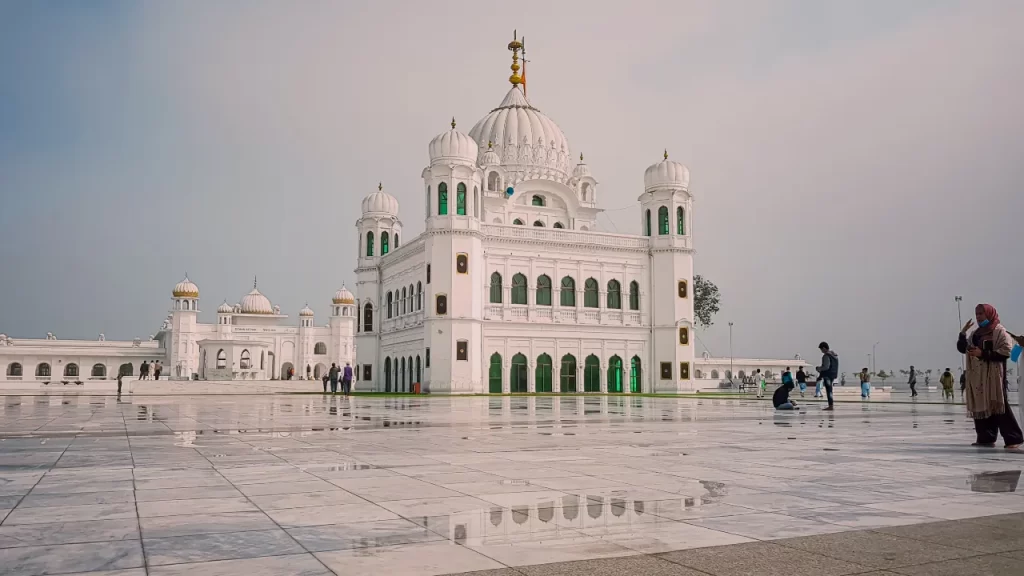
The Kartarpur Corridor, an approximately two-kilometer-long bridge, connects two important holy places: Dera Baba Nanak Sahib in India and Gurdwara Darbar Sahib in Pakistan. Plan your visit to Kartarpur Sahib from Amritsar with this step-by-step guide, including modes of transportation and documentation.
What is the Kartarpur Corridor?
Now, let’s discuss why Kartarpur Corridor is important instead of starting with the way to reach it from Amritsar. The Kartarpur Corridor is a recent opening by Pakistan, effective for Sikh pilgrims from India. It enables them to visit Gurdwara Darbar Sahib in Pakistan without needing a visa. The corridor joins the 4.7km-long stretch between the Indian border and Pakistan so that pilgrims are able to complete their spiritual journey in just one day.
Travel Documents Required for the Kartarpur Corridor
Travelers will have to carry documents that would enable them to enter the Kartarpur Corridor coming from Amritsar:
Valid passport, no visa required.
The other is Electronic Travel Authorization (ETA), which you apply online.
Photocopy of your approved travel document Apply for the ETA at least a few days before your travel date.
How To Reach Kartarpur Corridor From Amritsar
The how to reach Kartarpur Corridor from Amritsar question has several answers based on your preferred modes of transport. This great city, home to the Golden Temple is accessible to the Kartarpur Corridor via multiple sources of transportation.
How to Reach Kartarpur Corridor from Amritsar Through Road: Direct Travel Options
The distance between Amritsar and Kartarpur Corridor is around 45 km, so it is quite a common medium for road travel to reach this place by pilgrims. You could travel in your own vehicle or book a taxi from Amritsar to reach Dera Baba Nanak. The duration would be close to 1-1.5 hours. Private taxis and travel operators are offering direct packages from Amritsar to the Kartarpur Corridor.
By Road: Convenient Travel Options
Kartarpur Corridor is approximately 45 km from Amritsar. Road transport has emerged as favourite mode of commute for the pilgrims. You may either drive your car or take private taxi from Amritsar to Dera Baba Nanak. So you will have about 1-1.5 hours in this travel.
Private taxis and tour agencies provide a number of direct journey packages to the Kartarpur Corridor from Amritsar.
Public Transport: Bus Options
For the budget travelers, there are buses available from Amritsar to Kartarpur Corridor. Punjab Roadways has straight buses from Amritsar to Dera Baba Nanak, Indian side of Kartarpur Corridor. You will proceed from there to the border crossing point. And as such, the buses leave every hour, but the journey takes around 2 hours. The distance from Amritsar to the bus is a journey that offers pilgrims the economical but still goes through the scene of Punjabi countryside.
By train, inexpensive rail options
Others who like train travel can take regular trains from Amritsar to Dera Baba Nanak Railway Station. The distance by train is about 1.5 hours. From Dera Baba Nanak, you walk or take an auto-rickshaw ride up to the Kartarpur Corridor entry point. It is a good way to your destination.
What to Expect after Reaching Kartarpur Corridor
From Amritsar to Kartarpur Corridor, by road, you would reach the Indian side of the border, and then at Dera Baba Nanak, an organized immigration and customs station await the pilgrims, where one has to produce travel documents and go through the procedure which is minimal formalities. Once that is over, pilgrims will be whisked across the border in shuttle buses.
Top Tips for Visiting the Kartarpur Corridor
Book your ETA: as much in advance as you can Ideally, you should book your ETA a week before your intended date of travel.
Be there early: The Kartarpur Corridor is only open for a limited hour each day, and in most cases, the earlier you arrive, the better you would not miss the shuttle service.
Respect the religious traditions: Be properly dressed, keep your head covered and keep your hands covered when you visit the Gurdwara.
Consider to stay nearby: If you like to stay in nearby, the Hotel Grand Hridey Amritsar is here. Stay here with comfort; it is centrally close to the city and accessible for travelers who want to visit the Kartarpur Corridor.
Kartarpur Corridor Tour Cost
Of course, crossing the Kartarpur Corridor as well as making the ETA application is free of cost but the shuttle service on the Pakistan side charges minimal so do carry some local currency for your purchases or offerings at the Gurdwara.
Best Time to Visit Kartarpur Corridor
Kartarpur Corridor is open throughout the year. However, the summers can be hot and the best time is from October to March, so you should choose the latter. If you are coming from Amritsar, calculate the dates for festivals like Gurpurab, when large crowds of pilgrims throng the Gurdwara.
Why You Must See the Kartarpur Corridor
The Kartarpur Corridor happens to be a religious, historical, and cultural experience. Since this holy place has been open after more than 70 years, it happens to be an emotional and spiritual journey for many Sikhs spread all over this planet. This place is simply an excellent example of peace and light which closes the void between two nation states for a higher spiritual cause.
Places to Visit Near the Kartarpur Corridor
There are many places near the area that you might want to linger for a little longer if you have more time around there:
Dera Baba Nanak Sahib: On the same grounds as the Kartarpur Corridor, it has a historical tie with Sikhs. Visit Dera Baba Nanak Sahib.
Golden Temple: Can be visited either prior to or post the visit to Kartarpur Corridor; it’s nearly an hour’s drive from Dera Baba Nanak.
Jallianwala Bagh: The Jallianwala Bagh is just near the complex of the Golden Temple and throws light on India’s freedom struggle.
Amritsar Accommodation
For the traveler from far-off lands, Hotel Grand Hridey Amritsar could be an ideal choice, located as it is in a convenient location in Amritsar. The Golden Temple and the Kartarpur Corridor entry point at Dera Baba Nanak are just a stone’s throw away.
Additional Travel Tips for Visiting Kartarpur Sahib
Planning your trip from Amritsar to Kartarpur Corridor? Here are some additional travel tips worth knowing
Pre-Booking Accommodation: Those coming from other parts of the country or abroad would do well to book accommodation in Amritsar before proceeding on your pilgrimage to Kartarpur Sahib. It is a good opportunity to see the many attractions in the city. Hotel Grand Hridey Amritsar for comfort and proximity to both the Golden Temple and the Kartarpur Corridor.
Language Considerations: Most staff members at Gurdwara Darbar Sahib can communicate in Punjabi, English, and Urdu, but learning a few basic Punjabi phrases will enhance communication with locals. This will give the visitor an element of belonging to the place and its people.
Security measures and etiquette: Being at the doorsteps of the International Border, the Kartarpur Corridor is heavily security-minded. So, do not forget to see all the restrictions and rules of the officials, such as what should be carried across the border or what is forbidden to be carried. Do not carry expensive items and things that are forbidden to cross. Just follow the instructions given in your visit.
Amritsar’s Cultural and Culinary Experiences
If you wish to know how to reach Kartarpur Corridor from Amritsar, and if there is time for it, indulge in Amritsar’s rich cultural and gastronomical heritage before getting to Kartarpur Sahib. Absorb the vibrancy of this ancient city by going around local markets and purchasing handicrafts. Plan your travel on how to get to Kartarpur Corridor from Amritsar; do not miss trying out the street foods like Amritsari Kulcha, Lassi, and Chole Bhature.
For a deeper look into how partition affected the lives of those living in the border region, visit the Partition Museum in Amritsar. Read this for getting building up on your exploration of how to reach Kartarpur Corridor from Amritsar for all you need to know about shared history between India and Pakistan.
Conclusion: Your Journey from Amritsar to Kartarpur Corridor
An easy and rewarding journey from Amritsar to the Kartarpur Corridor is quite accessible by roads, bus, or train. Remember that advance reservation is a must, not forgetting about the relevant documents. Enjoy this once-in-a-lifetime spiritual journey: how to reach Kartarpur Corridor from Amritsar is up to you to decide for travel, but there’s any route you can choose to have a meaningful connection to this sacred site.
Observe this journey as part of your larger pilgrimage or cultural sojourn in Punjab.
FAQs
How do I get from Amritsar to Kartarpur?
To reach Kartarpur, travelers can first take a taxi, cab, or bus from Amritsar to Wagah Border, as this is the crossing point into Pakistan. From there, after completing the required formalities, visitors proceed towards the Kartarpur Corridor that directly connects to Gurdwara Darbar Sahib. Many pilgrims prefer booking transport in advance, but taking a bus from Amritsar to Wagah Border is also a convenient and budget-friendly option.
What is the ticket price of Amritsar to Kartarpur corridor?
The ticket price of Amritsar to Kartarpur corridor mainly involves a service fee charged by Pakistan, which is around USD 20 per visitor. Travelers first reach the border by taxi or a bus from Amritsar to Wagah Border before entering the Kartarpur Corridor. The ticket price of Amritsar to Kartarpur corridor does not include transport, so visitors need to arrange their own travel up to the border crossing.
Which city is closest to Kartarpur corridor?
The city closest to Kartarpur corridor on the Indian side is Gurdaspur, while on the Pakistani side it is Narowal in Punjab province. Pilgrims from India usually travel from Amritsar to Dera Baba Nanak, which is just a few kilometers from the entry point. Being the city closest to Kartarpur corridor, Gurdaspur serves as a convenient hub for travelers planning their visit to Gurdwara Darbar Sahib through the corridor.
Can we go to Kartarpur without registration?
No, you cannot visit Kartarpur without prior registration. The Kartarpur corridor registration is mandatory for all Indian pilgrims wishing to cross into Pakistan for Gurdwara Darbar Sahib. Travelers need to apply online through the official portal and carry valid documents like a passport. Without completing Kartarpur corridor registration, entry is not permitted, so it’s essential to plan your trip in advance to avoid any last-minute issues.
To end your tour to Amritsar you never miss the spectacle of Wagah Border. It lies on the India-Pakistan border. Thousands of tourists visit it daily. The most preferred way to reach the Wagah Border is by bus. On the next page we will create an extensive guide on Amritsar to Wagah Border distance by bus, travel tips, bus schedules, and all other relevant information of the trip.
Introduction to Wagah Border and Its Significance
It is famous for its “Beating Retreat” ceremony, in which Indian and Pakistani soldiers perform together. The closing of border gates is an emotive yet very patriotic moment for any one present there. The attraction is located about 30 km from Amritsar and attracts millions of visitors every year around the clock.
Amritsar to Wagah Border Distance by Bus
Distance between Amritsar to Wagah Border by bus: 30 km; travelling time is between 45 min to 1 hour, based on the conditions of traffic and road blockages. Bus travel is still very economical yet quite possible as an option for travel to the destination. On an average, almost all buses traveling to the Wagah Border begin from Amritsar city central bus stand, which is quite convenient and accessible throughout the day.
Benefits of Taking a Bus from Amritsar to Wagah Border
Taking a bus from Amritsar to Wagah Border is an inexpensive and hassle-free transportation for the traveler. For the visitor who is not oriented to the region, buses are a great one-way journey for a destination.
Cheap: buses are among some of the cheapest means of travel offered for this route.
Regular services: There are several buses from Amritsar to Wagah Border; therefore, one can easily plan the journey.
Direct Road : The road is taken directly by buses, hence saves the travelers from the busy streets of Amritsar.
A comfortable stop might be taken near the bus station, as some people opt for staying in Hotel Grand Hridey Amritsar, which has great amenities.
Bus Timings and Frequency
There are a number of buses all day from Amritsar to the Wagah Border, particularly in the tourist season. Majority of these buses leave at 8 AM in the morning so that the visitors can reach the border well before the eve ceremony gets underway. Mostly, the frequency of buses increases just before the ceremony time so that the travelers can easily choose an apt route.
Bus Fare and Booking Options
The cost of the bus fare for the distance of Amritsar to Wagah Border by bus is quite affordable, as the fares are between ₹50 to ₹100. Ticket bookings can be done either online through some booking platforms or directly at the bus terminal. Online booking is easier but buying tickets straight from the terminals helps get tickets even at the last minute.
Bus Travel Tips for Tourists
Reach Early: Many visitors come to watch the Wagah Border ceremony, and this border crossing is very crowded during weekends and national holidays; hence, it is wise to reach early for the ceremony.
Carry Valid ID Proof: You would be requested to show identity at some security checks, so it makes sense to carry valid photo ID proof along.
Dress casually as border areas can get very hot at times; carry your bottle of water along.
Do not carry large bags: Large bags and backpacks are largely prohibited at security checks, so carry only the bare essentials.
Spend the night in a hotel close by so that you can get the first bus in the morning, Hotel Grand Hridey Amritsar.
Attractions Near Wagah Border
You may wish to visit the other tourist attractions available around Amritsar, either previous to visiting Wagah Border or later in your stay.
Golden Temple: Also known as Harmandir Sahib, it is the most important spiritual site for Sikhs located in the heart of Amritsar.
Jallianwala Bagh: An historical garden, which itself is a witness of the massacre in 1919. History lovers should not miss this place.
Partition Museum: A Museum dedicated to the Memory of India’s Partition at 1947.
Wagah Border Beating Retreat Ceremony
Most of the visitors can be said to attach much importance to the ceremony at The Wagah Border. It is actually a military parade that occurs daily at sundown with an energetic performance of drills and salutes. Both Indian and Pakistani soldiers are enlisted for perfect coordination while showing discipline and national pride as they perform the lowering of respective national flags of each country.
The event begins around sunset, but a good view spot must be secured at least an hour before. Admission is free but very fast seating, especially on weekends.
How to Get Tickets for the Wagah Border Ceremony
Entry to the Wagah Border ceremony is free, but without a reserved seat. If you want a better view of the entire ceremony, then stand in line very early and push your way to the sitting area. VIP seats are also available for those who have passes, but that should be pre-booked.
Drive from Amritsar to Wagah Border
Travel from Amritsar to Wagah Border by bus will give you the full-scale view of rural Punjab. Green fields, country houses, and people are found everywhere on the way to give the scenic journey. It is quite a pleasurable experience giving an insight into the life outside the city.
For the benefit of travelers, most book their stay at Hotel Grand Hridey Amritsar in a manner that they spend some time freshening up before the tour and after this long bus journey.
Alternatives to Bus Travel for Amritsar to Wagah Border
If you enjoy travel by private transport, you can hire taxis or auto-rickshaws from Amritsar to Wagah Border. They are much costlier than buses but help you time-wise. A private taxi drive to Wagah Border costs up to ₹1000-₹1500 for a round trip depending on the bargain and the season.
If traveling on a shoestring budget is a requirement, then the bus would definitely be the best option for you.
Best Time to Visit Wagah Border
The pleasant weather suits your visits. In fact, November to March would be the best time to visit Wagah Border. The scorching summers at Amritsar will not always permit tourists to appreciate the majestic outdoor ceremony. The monsoon is also scheduled from July to September, which means always unpredictable weather can cause frequent rain during the parade.
Journey Highlights: What to Expect on Your Bus Ride from Amritsar to Wagah Border
The Amritsar to Wagah Border distance by bus ride is an adventure through the greenery of rural Punjab, conjuring up visions of local village life. Miles of agricultural fields and small hamlets pass before one’s eyes, as the bus passes roadside stalls selling local food and handicrafts. Such a picturesque journey, therefore, presents a perfect opportunity for witnessing the simplicity of the Punjab countryside. Along the way are the busy local markets selling what seems to be good handmade things and tasty samosas and pakoras.
Photographers have a field day with this Amritsar to Wagah Border distance by bus travel since there is sure to be a healthy dose of beautiful scenery there. Nearing the Wagah Border, the energy of thousands was moving towards the ceremony, which made everyone anxious and excited. The patriotism in the air is almost palpable as people gather here to witness this iconic event. Accessible to the city center, Hotel Grand Hridey Amritsar becomes one ideal option for catching an early bus to the Wagah Border or unwinding after the ceremony. The distance from Amritsar to Wagah Border distance by bus is quite manageable on bus – a unique cultural experience to be cherished.
Conclusion: An Unforgettable Experience
A short journey, though rich in the experience that it offers to the traveler is that from Amritsar to Wagah Border distance by bus. The traveling crowd is attracted by the prestige of the Beating Retreat ceremony or by the historical importance of the Wagah Border. No one should miss this place while visiting Amritsar. This bus ride can be made at very affordable prices; also time to soak in the surroundings is relaxed.
To those that are planning to visit, staying at Hotel Grand Hridey Amritsar will add the comfort and convenience of your journey. As it is close to the bus terminal, staying at this hotel would be perfect for tourists who plan to visit Wagah Border. This being within a well-planned itinerary can become an amazing day at the border and return to the city with memories full of patriotism and celebration locked into a lifetime.
FAQ’s
How to go from Amritsar to Wagah Border?
How to reach Wagah Border from Amritsar? By bus – You can get a Wagah Border bus easily from Amritsar. Most buses stop at Attari, from where you’ll need to take an auto-rickshaw or cycle-rickshaw to the entry gate. By taxi/cab – You can book taxis from the top car rentals in Amritsar to visit Wagah Border Amritsar.
Is Wagah Border entry free?
Attari-Wagah, Wagah Border, Amritsar, Punjab. Entry Fee: There are no entry charges to this place. Timings: The border gate remains open from 10 AM to 4 PM and the 45-minutes ceremony starts in the afternoon and lasts till sunset.
How many kilometers from Amritsar to Wagah Border?
The distance between Amritsar to Wagah border by car is around 32 km. The distance will of course change if you change the route.
Is there any bus from Amritsar to Wagah Border?
Yes, there is a bus from Amritsar to Wagah Border that makes it easy for travelers to reach the famous India-Pakistan border ceremony. These buses usually start from Amritsar city and drop passengers close to the entry point of the Wagah Border. Taking a bus from Amritsar to Wagah Border is affordable, convenient, and a popular choice for both tourists and locals planning to witness the evening retreat ceremony.
How to visit the Wagah Border from Amritsar?
To reach the Wagah ceremony, you can easily travel by taxi, auto, or take a bus from Amritsar to Wagah Border. The distance is around 30 km, and the journey usually takes about 45 minutes to an hour. Many visitors prefer booking a cab for comfort, while others choose a bus from Amritsar to Wagah Border for its affordability and convenience. Both options ensure a smooth trip to witness this patriotic event.
Thinking of a tour to the sceneries and beautiful views of Northern India? Then, you must think of a mix of spiritual enlightenment and scenic beauty with a good dose of adventure. A good Amritsar Dalhousie Dharamshala Itinerary is rich in history, massive hills, and serene landscapes in perfect getaways for families, couples, or solo travelers looking for a wonderful time. In this blog, we plan in detail on a comprehensive Amritsar Dalhousie Dharamshala Itinerary, so you get all the information you need for a well-planned journey ahead.
Day 1: Arrive in Amritsar – Explore the Heart of Sikhism
Your tour starts for Amritsar, where a city is famous for great Sikh heritage, and Amritsar is more of a revered spiritual abode to millions of devotees across the world. On your arrival at either Sri Guru Ram Dass Jee International Airport or Amritsar Railway Station, you would be straightly taken to your hotel for check-in.
Suggested Accommodation:
Hotel Grand Hridey Amritsar It offers an easy-access facility to all the major attractions of the city. A truly great hotel if you’re looking forward to ultimate modern comforts and service.
Golden Temple
Proceed further with the trail after a few hours of sleep. The first destination is the magnificent, Golden Temple, the most spiritual destination in the world. The beauty of architecture speaking through this temple with the peaceful Sarovar-the holy water-is just an experience to not be forgotten. So do visit the Langar Hall, where free meals to all, irrespective of cast and creed, are served.
Jallianwala Bagh
Within a very short walk from the Golden Temple will take you to Jallianwala Bagh that marks one of the most tragic events in India’s freedom struggle. This memorial reminds one of the massacres of innocents the British led in 1919.
Wagah Border
Visit Wagah border in the evening for border ceremony between India and Pakistan. This ‘beating retreat’ is a great parade of patriotism and military ingenuity. You cannot afford to miss it if you are in Amritsar.
Day 2: Amritsar to Dalhousie – The Beginning of Hill Adventures
On your second day at the Amritsar Dalhousie Dharamshala Itinerary, it’s time to leave the Amritsar city and drive to the peaceful hill station in Dalhousie. The drive from Amritsar to Dalhousie is approximately 5 hours, which takes nearly 200 km.
Road Journey of Scenic View
While passing through the villages and lush green landscapes as you head to Dalhousie, the journey itself presents a picturesque view of rural life and the hill station’s backdrop against the Himalayas.
Freshen Up and Revive
Arrive in Dalhousie, check into your hotel, and take some time to unwind. This hill station is nestled in the lap of the Dhauladhar mountain range, giving you a serene nature retreat if that is what you are looking forward to.
Explore Mall Road and St. John’s Church
Take a walk on the mall road, the principal shopping street of Dalhousie in the evening. This has quaint shops of local handicrafts and woolens besides any number of souvenir shops. One can visit St. John’s Church supposed to be one of the oldest churches here, given time. The architecture, which includes colonial styles, is gorgeous and serene for a peaceful moment.
Day 3: Sightseeing in Dalhousie
On the third day of your Amritsar Dalhousie Dharamshala Itinerary, you will spend the day getting to know more about Dalhousie and investigating some adjacent places.
Khajjiar – The Mini Switzerland of India
Start with an immaculate meadow called Khajjiar; it is surrounded by dense deodar forests. This place is famous as the one that has a real green landscape and the snow-capped mountains overlooking it. The distance from Dalhousie is nearly 23 kilometers, and it is famously considered the “Mini Switzerland of India”. You can indulge yourself in zorbing and paragliding or do a walk around the lake.
Dainkund Peak
Dainkund Peak to be visited in the afternoon: This is the highest peak in Dalhousie. The sumptuous views it provides to its spectator in the breathtaking panoramic view from it come from the views of the valleys in it. After a short trek, the top can be reached. There can also be a visit to Pholani Devi Temple.
Kalatop Wildlife Sanctuary
Lastly, visit the Kalatop Wildlife Sanctuary. It has a wide variety of flora and fauna species. It is an excellent destination for both the nature lover and photographer because of gentle trails and the capability to catch a glimpse of Himalayan black bears, deer, and pheasants.
Day 4: Dalhousie to Dharamshala – Home of the Dalai Lama
Day 4, leave the quiet beauty of Dalhousie behind and drive to Dharamshala, a four-hour journey of about 120 km. Dharamshala is not only a beautiful hill station but also a spiritual seat of Tibetan Buddhism.
McLeod Ganj
Once you arrive in Dharamshala, go to McLeod Ganj, famously known as “Little Lhasa,” since it houses an enormous Tibetan population. Check into your hotel and walk around the congested Tibetan shops, cafes, and monasteries all over.
Dalai Lama Temple Complex
The Dalai Lama Temple Complex should feature in the schedule because it is abode to the high Tibetan spiritual leader, the 14th Dalai Lama. The Dalai Lama Temple Complex is peaceful and offers an excellent view of the Kangra Valley.
Bhagsu Waterfall
Take a short hike to the Bhagsu Waterfall in the late afternoon near the Bhagsunath Temple. It is a beautiful spot to sit back and just unwind in nature.
Day 5: Explore Dharamshala and Palampur
Day five of your Amritsar Dalhousie Dharamshala Itinerary is composed mostly of the culture and nature explorations of Dharamshala.
Norbulingka Institute
You can also visit the Norbulingka Institute, an institute which aims to preserve Tibetan art and culture. There are several workshops where you might learn simple traditional crafts from Tibetans and the beautiful garden and café at the same place.
Palampur Tea Gardens
Palampur is a paradise only a short drive from Norbulingka. Vast tea gardens make one forget the chaotic haste of city life. One can stay here for days, studying the process of tea processing and tasting the freshest varieties. There are guided tours to understand the process and taste the freshest varieties.
Dharamshala Cricket Stadium
It would be wasted dusk unless a visit is scheduled for the Dharamshala Cricket Stadium-the sporting ground that happens to be one of the highest in the world. Even cricketing does not find its place in your heart, the Dhauladhar snow-clad mountains poking out from behind the stadium are breathtaking.
Day 6: Dharamshala to Amritsar – End of the Journey
On the last day of your Amritsar Dalhousie Dharamshala Itinerary, it is time to return back to Amritsar. Dharamshala to Amritsar drive will take you nearly 5 hours (approx 200 km). So start early to make full use of the day.
Local Markets and Shopping.
Do not miss going to the local markets at McLeod Ganj and Dharamshala in what remains of the last couple of hours before driving off on souvenirs like handicrafts, woolen shawls, and spiritual artefacts.
Amritsar
Once you have reached Amritsar, you can spend some time shopping or visiting any places which you might have missed earlier. Then take your flight or train back home with you and memories to last an entire lifetime.
Tips for Smooth Travel
Some quick tips to make your Amritsar Dalhousie Dharamshala Itinerary even better:
Pack smart: Mountain weather is quite unpredictable, but even in the summer months, you may want warm woolens. Take thick woolens and leave the winters behind. Do not overpack.
Book ahead: Hotels and transport take off quickly in peak seasons. Get everything done beforehand.
Stay Hydrated: Because of the undulating terrain, you get tired sooner so do carry at least a bottle of water with you while making treks and looking around.
Conclusion
This Amritsar Dalhousie Dharamshala Itinerary gives the perfect blend of spiritual experiences, beautiful natures, and adventurous activities. Be it history, nature, or just a bit of solace for your soul, it has everything: the Golden Temple of Amritsar, the Kalatop Wildlife Sanctuary of Dalhousie, and the culture of Tibetan influence in Dharamshala.
Another good option to make a comfortable stay in Amritsar can be opting for a great place called Hotel Grand Hridey Amritsar, centrally located, so access to many of the city’s major tourist attractions is very easy.
So plan well and pack smartly, and seize all the moments that this great journey through Northern India has to offer you.
FAQs
How many days are sufficient for Dalhousie and Dharamshala?
There are several attractions worth visiting in Dharamshala so a 2- or 3-days trip would be fair enough to visit these attractions. However, if you want a little bit of adventure and the thrill of exciting sports then plan for 4-5 days.
Which is colder, Dharamshala or Dalhousie?
Dalhousie is double the height of Dharamshala and also quite cold and enjoyable compared to Dharamshala which is warm place.
Which month is best for Dalhousie?
Yes, the best season to visit Dalhousie is between March and June, when the hill-station is bathed by the warmth of the summer sun.
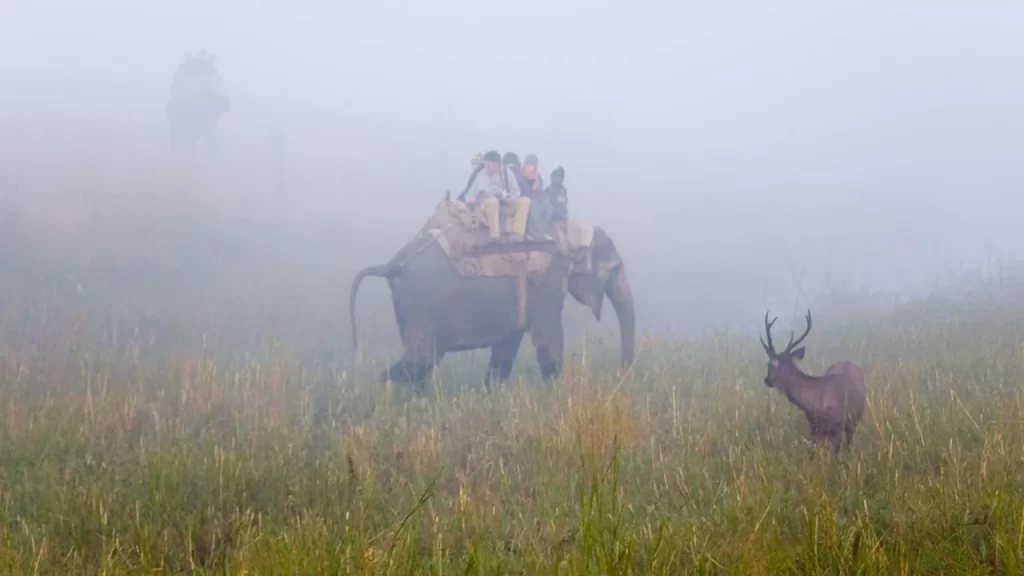
The Jim Corbett Jeep Safari offers an exhilarating way to explore the wild terrains of Jim Corbett National Park. Known for its rich biodiversity and as the oldest national park in India, Jim Corbett provides an unmatched wildlife experience, with the jeep safari being a highlight for many visitors. This adventure not only promises close encounters with a variety of wildlife but also provides an immersive experience in the lush landscapes of the park.
Benefits of a Jeep Safari in Corbett
Opting for a jeep safari in Corbett allows visitors to traverse through different zones of the park, each offering unique sightings and landscapes. The flexibility and accessibility of a jeep make it possible to cover more ground compared to other modes of exploration. This ensures higher chances of spotting elusive animals such as the Bengal tiger, elephants, and a plethora of bird species. Additionally, the safari is conducted by experienced guides who possess in-depth knowledge about the flora and fauna, enhancing the overall experience with insightful information and spotting expertise.
What to Expect on a Jim Corbett Jeep Safari
A typical Jim Corbett Jeep Safari involves an early morning or late afternoon drive, as these are the best times for wildlife sightings. The safari generally lasts for a few hours, during which visitors can expect to navigate through dense forests, open grasslands, and riverine habitats. It is advisable to book safaris in advance, wear comfortable clothing, and carry essentials like water and sunscreen. The thrill of being in the wild, the anticipation of spotting majestic creatures, and the beauty of the natural environment make the jeep safari in Corbett an unforgettable adventure for nature enthusiasts and thrill-seekers alike.
Embarking on a Jim Corbett Jeep Safari is a thrilling adventure that immerses visitors in the heart of nature. As the jeep navigates through the rugged terrain of the park, the anticipation of spotting wildlife builds up, making every moment exciting. The safari typically covers various zones of the park, each with distinct habitats and opportunities for unique wildlife encounters.
Wildlife Encounters on a Jeep Safari in Corbett
A jeep safari in Corbett offers the chance to see some of the park’s most iconic inhabitants. Visitors might spot the majestic Bengal tiger, leopards, elephants, and a myriad of bird species. The experienced guides who accompany the safaris are skilled in tracking and spotting animals, ensuring that visitors have the best possible experience. The safari routes are strategically planned to increase the likelihood of sightings, and each trip brings the promise of new and thrilling encounters.
Best Time to Visit Jim Corbett for a Jeep Safari
The best time to visit Jim Corbett for a jeep safari is during the winter months, from November to February, when the weather is pleasant, and wildlife is more active. This period also coincides with the park’s open season, making it the ideal time to explore the wilderness.
Planning Your Jeep Safari Adventure: Tips and Best Practices
Choosing the Right Time for a Jeep Safari in Corbett
Planning a jeep safari in Corbett requires choosing the right time to maximize your experience. While the park is open from mid-November to mid-June, the best sightings occur in the winter months. The summer months, though hotter, also offer good visibility as animals tend to gather around water sources.
Essential Tips for a Successful Jim Corbett Jeep Safari
Book in Advance: To secure a spot on a Jim Corbett Jeep Safari, it’s essential to book well in advance, especially during peak seasons.
Wear Appropriate Clothing: Light, neutral-colored clothing is recommended to blend with the environment and avoid disturbing the wildlife.
Carry Essentials: Bring water, sunscreen, and a hat to stay hydrated and protected from the sun.
Stay Quiet and Patient: Wildlife sightings require patience and minimal noise to increase the chances of encountering animals.
Understanding What Jim Corbett National Park is Famous For
Jim Corbett National Park is famous for its diverse wildlife, particularly the Bengal tiger. It’s also renowned for its scenic landscapes, which include dense forests, riverine belts, marshy depressions, and grasslands. This diversity makes the park a haven for nature lovers and wildlife enthusiasts.
A Jim Corbett Jeep Safari promises an unforgettable adventure, offering a close encounter with nature’s most magnificent creatures. By planning carefully and following these tips, visitors can enhance their safari experience and create lasting memories in one of India’s most celebrated national parks.
Tips for a Safe and Enjoyable Jim Corbett Jeep Safari
Preparation for Your Jim Corbett Jeep Safari
Embarking on a Jim Corbett Jeep Safari is an exhilarating experience, but ensuring safety and enjoyment requires some preparation. Here are key tips to help you get the most out of your adventure.
Dress Appropriately
Comfort and practicality are essential for a jeep safari in Corbett. Wear light, breathable clothing in neutral colors to blend with the natural surroundings. Avoid bright colors that might startle the wildlife. A hat, sunglasses, and sunscreen are crucial to protect against the sun, especially during summer.
Essential Items to Bring
Water and Snacks: Stay hydrated and keep some light snacks handy.
Binoculars: Enhance your wildlife spotting experience.
Camera: Capture the memories but ensure you respect the animals’ space.
Respect the Wildlife
Maintaining a respectful distance from the animals is critical. Avoid loud noises and sudden movements, as these can disturb the wildlife. Always follow the guide’s instructions to ensure both your safety and that of the animals.
Book Reliable Accommodation
Choosing a comfortable and convenient place to stay enhances your safari experience. Maulik Mansion Resort Jim Corbett and Maya The Forest Resort Jim Corbett are excellent options for a relaxing and enjoyable stay. Their proximity to the park and excellent amenities make them ideal for safari-goers.
Stay Informed and Follow Guidelines
Before your safari, familiarize yourself with the park rules and regulations. Your guide will provide safety instructions; it’s vital to adhere to them for a smooth and enjoyable experience.
Capturing the Wild: Photography Tips for Safari Enthusiasts
Gear Up for Your Jim Corbett Jeep Safari
A Jim Corbett Jeep Safari offers fantastic opportunities for wildlife photography. Proper preparation and the right techniques can help you capture stunning images of the park’s diverse fauna.
Camera: A DSLR or mirrorless camera with a good zoom lens (200-400mm) is ideal.
Tripod/Monopod: Stabilize your shots, especially in low light conditions.
Extra Batteries and Memory Cards: Safeguard against running out of power or storage.
Best Practices for Wildlife Photography
Focus on the Eyes: Sharp focus on the animal’s eyes can create compelling photographs.
Use Natural Light: Early morning and late afternoon provide the best lighting conditions. Adjust your settings to make the most of the golden hours.
Patience and Persistence: Wildlife photography requires patience. Wait for the right moment to capture animals in action or interesting behaviors.
Enhance Your Stay with Quality Resorts
While on your photographic adventure, staying at a resort like Maya The Forest Resort Jim Corbett can offer additional conveniences and comfort. After a long day of shooting, a comfortable retreat is invaluable.
Ethical Considerations in Wildlife Photography
Always prioritize the welfare of the animals. Avoid using flash, which can startle and stress wildlife. Respect their space and avoid any actions that could disrupt their natural behavior.
Explore Beyond Corbett
If you’re planning to extend your travel and photography experience, consider visiting Hridey Retreat Resort – Amritsar. This location offers a different cultural and photographic experience, adding diversity to your travel portfolio.
Capturing the wild on a jeep safari in Corbett is a rewarding experience. With the right preparation and ethical considerations, you can create lasting memories and stunning images of the natural world.
Concluding Your Adventure
Reflecting on Your Jim Corbett Jeep Safari Experience
As you conclude your Jim Corbett Jeep Safari, take a moment to reflect on the thrilling journey you’ve just experienced. From the heart-pounding excitement of spotting a Bengal tiger to the serene beauty of the park’s diverse landscapes, the safari offers a unique glimpse into the wonders of nature. This adventure is more than just a wildlife excursion; it’s a deep dive into the rich biodiversity that makes Jim Corbett National Park a cherished destination.
Memories from Your Jeep Safari in Corbett
A jeep safari in Corbett is filled with memorable moments. Whether it’s the early morning mist lifting over the grasslands or the sight of an elephant herd moving gracefully through the forest, these experiences leave lasting impressions. The knowledgeable guides and their insightful commentary add depth to your understanding of the park’s ecosystem, making the journey both educational and entertaining.
Tips for Future Visits
As you plan your next visit or recommend the safari to friends, consider the following tips:
Visit During Optimal Seasons: The best time for a Jim Corbett Jeep Safari is during the cooler months when wildlife is more active.
Book Accommodations in Advance: Ensure a comfortable stay by booking reputable resorts close to the park, like the ones recommended earlier.
Respect the Environment: Always follow park guidelines to minimize your impact on the natural habitat.
Parting Thoughts
Concluding your jeep safari in Corbett doesn’t mean the end of your adventure spirit. The memories and photographs you’ve captured are treasures that will remind you of the incredible wildlife and the pristine beauty of Jim Corbett National Park. This experience not only enhances your appreciation for nature but also fosters a sense of responsibility towards preserving such precious environments for future generations.
A Jim Corbett Jeep Safari is an adventure of a lifetime, offering unparalleled insights into the wild. Whether you’re a first-time visitor or a seasoned traveler, each safari brings new wonders and a deeper connection to nature.
FAQs
How much does Jim Corbett Jeep Safari cost?
The cost of a Jim Corbett Jeep Safari varies depending on several factors such as the zone you choose, the season, and whether you book a private jeep or join a group. On average, the price for a jeep safari ranges from INR 4,000 to INR 6,000 per jeep, which can accommodate up to six people. This cost includes the entry fee to the national park, the jeep rental, and the guide fee. Booking in advance, especially during peak seasons, can ensure availability and sometimes even offer better rates.
Which Jeep safari is best in Jim Corbett?
Choosing the best jeep safari in Corbett depends on what you hope to see and experience. The Dhikala zone is often considered the best for its rich biodiversity and higher chances of spotting tigers and elephants. However, other zones like Bijrani and Jhirna also offer excellent wildlife sightings and scenic beauty. Each zone has its unique charm and specific wildlife, making any Jim Corbett Jeep Safari a memorable adventure. Consulting with local guides or resort staff can help you choose the best zone based on recent animal sightings and personal preferences.
How long is the Jeep safari in Jim Corbett?
A typical jeep safari in Corbett lasts about 3 to 4 hours. Safaris are conducted twice a day: one early in the morning and the other in the late afternoon. These times are chosen to coincide with the peak activity periods of the wildlife, increasing the chances of sightings. Morning safaris usually start around 6:00 AM, while afternoon safaris begin around 2:00 PM. This duration allows ample time to explore different areas of the park, observe a variety of animals, and enjoy the stunning landscapes that Jim Corbett Jeep Safari has to offer.
the only thing more thrilling than the wildlife is the adventure itself!
Brief Introduction to the Significance of Ram Tirath Temple Amritsar
Ram Tirath Temple Amritsar holds immense religious and historical significance in Hindu culture. Located in the ancient city of Amritsar, this temple is believed to be the birthplace of Lav and Kush, the twin sons of Lord Rama and Sita. The temple is deeply rooted in the epic Ramayana and is a revered pilgrimage site for devotees seeking spiritual solace and a connection to Hindu mythology.
Ram Tirath Amritsar History
The Ram Tirath Amritsar history dates back to the times of the Ramayana, when Sita was exiled by Lord Rama. According to the epic, Sita took refuge at the ashram of Sage Valmiki, where she gave birth to Lav and Kush. The Ram Tirath Temple Amritsar is built on this historic site and houses several relics and monuments that narrate the tales of this period. The temple complex includes a hut where Sita is said to have lived, a well attributed to her, and an ancient tank believed to have been dug by Hanuman.
Architectural and Cultural Importance
The architectural design of Ram Tirath Temple Amritsar is a blend of traditional and modern styles, reflecting the rich cultural heritage of the region. The temple complex is adorned with intricate carvings and statues depicting scenes from the Ramayana. During the annual Ram Tirath Fair, the temple comes alive with vibrant festivities, attracting thousands of devotees from across India.
Pilgrimage and Devotion
For devotees, visiting Ram Tirath Temple Amritsar is a journey of faith and devotion. The temple is not only a place of worship but also a center for spiritual learning and meditation. The serene environment and the historical significance of the site provide a profound spiritual experience for visitors.
In conclusion, the Ram Tirath Temple Amritsar history and its cultural importance make it a must-visit destination for those interested in exploring the depths of Hindu mythology and spirituality. The temple stands as a testament to the enduring legacy of the Ramayana and the timeless values it imparts.
Unveiling the History of Ram Tirath Temple Amritsar
Ram Tirath Temple Amritsar is a site of profound historical and religious significance, deeply rooted in the epic tales of the Ramayana. This ancient temple, located in the holy city of Amritsar, is believed to be the birthplace of Lav and Kush, the twin sons of Lord Rama and Sita. The ram tirath amritsar history is intertwined with the legend of Sita’s exile and her life at the ashram of Sage Valmiki.
Origins and Mythological Significance
According to the ram tirath temple amritsar history, Sita took refuge at Sage Valmiki’s ashram after being exiled by Lord Rama. It was here that she gave birth to her sons, Lav and Kush, who were raised by the sage. The temple complex includes several significant structures, such as the hut where Sita is believed to have stayed, a well said to be used by her, and a large ancient tank purportedly dug by Hanuman.
Architectural Highlights
The architecture of Ram Tirath Temple Amritsar is a blend of traditional Indian styles with modern influences. The temple complex is adorned with intricate carvings and sculptures that depict scenes from the Ramayana, making it a visual representation of the epic’s rich narrative. The site is especially vibrant during the annual Ram Tirath Fair, which draws thousands of devotees who come to participate in religious rituals and festivities.
Cultural and Spiritual Hub
Beyond its historical significance, Ram Tirath Temple Amritsar serves as a vital cultural and spiritual hub. It offers a serene environment for meditation and learning, attracting scholars and devotees alike. The temple’s historical relics and the tales they tell provide a deep connection to Hindu mythology and heritage.
In addition to Ram Tirath Temple, visitors to Amritsar often explore other significant religious sites, such as the famous Mata Lal Devi Mandir, adding to the spiritual richness of their pilgrimage.
The ram tirath temple amritsar history is a testament to the enduring legacy of the Ramayana, providing insights into the lives of its central figures and their profound spiritual journeys. This temple remains a cherished destination for those seeking to delve into the depths of India’s ancient heritage and spiritual traditions.
Exploring the Historical Roots of Ram Tirath Temple Amritsar
Ram Tirath Temple Amritsar is a site of immense historical and religious significance, with its origins deeply embedded in the epic narrative of the Ramayana. The ram tirath amritsar history is a captivating tale that intertwines mythology with spiritual heritage, making it a revered pilgrimage destination for devotees from all over India.
Mythological Significance
The ram tirath temple amritsar history begins with the story of Sita’s exile from Ayodhya. According to legend, after being exiled by Lord Rama, Sita found refuge at Sage Valmiki’s ashram, located at what is now Ram Tirath Temple Amritsar. It was here that she gave birth to her twin sons, Lav and Kush. The ashram became a nurturing ground where the sage imparted his wisdom and taught the young princes the ways of righteousness and valor.
Architectural and Cultural Highlights
The architecture of Ram Tirath Temple Amritsar is a harmonious blend of traditional and contemporary styles. The temple complex includes a replica of Sage Valmiki’s hut, a well believed to be used by Sita, and an ancient tank supposedly dug by Hanuman. These features are not just architectural marvels but also hold great symbolic value, reflecting the deep spiritual roots of the site.
Religious and Cultural Festivities
One of the major highlights of ram tirath temple amritsar history is the annual Ram Tirath Fair. This event draws thousands of devotees who participate in various religious rituals, cultural performances, and community activities. The fair brings to life the epic tales of the Ramayana, offering a vibrant and immersive experience for all visitors.
Comparative Significance
While jim corbett national park is famous for its wildlife and adventure activities like the jim corbett jeep safari, Ram Tirath Temple Amritsar offers a different kind of enrichment—spiritual and cultural. Just as the best time to visit jim corbett is during the cooler months for a more enjoyable safari experience, the best time to visit Ram Tirath Temple is during the festival season when the temple is at its most vibrant.
The ram tirath temple amritsar history is not just a chronicle of the past but a living tradition that continues to inspire and uplift countless devotees. Its rich tapestry of mythology, architecture, and cultural festivities makes it a must-visit destination for anyone interested in exploring the depths of Hindu spirituality and heritage.
What Are the Visiting Hours for Ram Tirath Temple Amritsar?
Understanding the visiting hours for Ram Tirath Temple Amritsar is essential for planning a fruitful and fulfilling visit. This historic temple, steeped in the rich ram tirath amritsar history, welcomes devotees and tourists throughout the year.
General Visiting Hours
The Ram Tirath Temple Amritsar is typically open from early morning to late evening, providing ample time for visitors to explore its spiritual and architectural marvels. The usual visiting hours are as follows:
Morning Hours: 5:00 AM – 12:00 PM
Evening Hours: 4:00 PM – 9:00 PM
These hours allow visitors to experience the temple’s serene morning rituals and the vibrant evening aarti, a devotional ceremony that is a must-see for all.
Best Times to Visit
While the temple is accessible year-round, visiting during major festivals like Diwali and Navratri can be particularly rewarding. These times not only reflect the best of ram tirath temple amritsar history but also showcase the cultural and religious fervor of the temple.
Additional Tips for Visitors
Early Morning Visits: Arriving early in the morning can offer a peaceful and less crowded experience, ideal for those looking to meditate or pray quietly.
Evening Aarti: Participating in the evening aarti is a highlight of any visit. The atmosphere is charged with devotion, and the temple is beautifully lit up, providing a spectacular sight.
Nearby Attractions
For those planning a longer stay, Amritsar offers various other spiritual sites to explore. Alongside Ram Tirath Temple Amritsar, visitors often explore the famous Golden Temple and places to visit in Badrinath, known for their profound spiritual significance.
Comparative Attractions
While jim corbett national park is famous for its wildlife safaris and natural beauty, Ram Tirath Temple Amritsar provides a deep dive into India’s spiritual and mythological heritage. Each destination offers a unique experience, reflecting the diverse cultural tapestry of India.
In conclusion, the visiting hours for Ram Tirath Temple Amritsar provide ample opportunity for a rich spiritual experience. Whether you are a devotee seeking blessings or a tourist eager to explore the ram tirath amritsar history, planning your visit around these hours will ensure a memorable and fulfilling experience.
How to Locate Ram Tirath Temple Amritsar: A Complete Guide
Finding Ram Tirath Temple Amritsar is easy, thanks to its significant position in the historical and cultural landscape of Amritsar. This guide provides detailed directions and tips to help you locate this revered site, steeped in ram tirath amritsar history.
Address and Location
Ram Tirath Temple Amritsar is located about 11 kilometers west of the main city of Amritsar. The exact address is Ram Tirath Road, Amritsar, Punjab, India. This location is well-connected by various modes of transportation, making it accessible for visitors from near and far.
By Air
The nearest airport is Sri Guru Ram Dass Jee International Airport, approximately 18 kilometers from the temple. Upon arrival, you can hire a taxi or use ride-sharing services to reach Ram Tirath Temple Amritsar.
By Train
Amritsar Junction is the main railway station, located around 12 kilometers from the temple. From the station, you can take a taxi, auto-rickshaw, or a bus to reach the temple. The journey by road takes about 30 minutes, depending on traffic.
By Road
Ram Tirath Temple Amritsar is well-connected by road. If you are driving, you can follow these directions:
From Amritsar city center, take the NH3 (Grand Trunk Road) towards Attari.
Turn onto Ram Tirath Road and continue for approximately 5 kilometers until you reach the temple.
Public buses and auto-rickshaws are also available from various parts of the city, offering convenient access to the temple.
Local Tips
Early Morning Visit: To avoid traffic and crowds, consider visiting early in the morning.
Maps and Navigation: Use GPS and online maps to get real-time directions. Search for “Ram Tirath Temple Amritsar” for precise navigation.
Significance and Nearby Attractions
While you explore ram tirath temple amritsar history, consider visiting other nearby attractions like the Golden Temple and Jallianwala Bagh to enrich your cultural experience. The temple’s historical and spiritual significance makes it a must-visit destination for anyone interested in ram tirath amritsar history and Hindu mythology.
In conclusion, locating Ram Tirath Temple Amritsar is straightforward with its well-connected routes and proximity to major transport hubs. Plan your visit with these tips to ensure a smooth and enriching experience.
What Events Take Place at Ram Tirath Temple Amritsar?
Ram Tirath Temple Amritsar is not only a site of deep historical significance but also a vibrant center for various religious and cultural events. The ram tirath amritsar history is celebrated through a multitude of activities that draw devotees and tourists alike.
Annual Ram Tirath Fair
One of the most significant events in the ram tirath temple amritsar history is the annual Ram Tirath Fair. This fair, held around the full moon of the Hindu month of Kartik (usually in November), attracts thousands of visitors. The fair features religious rituals, cultural performances, and various stalls selling traditional goods and food. Devotees participate in holy dips in the ancient tank believed to be dug by Hanuman and offer prayers at the temple.
Navratri Celebrations
Navratri, a major Hindu festival dedicated to the goddess Durga, is celebrated with great fervor at Ram Tirath Temple Amritsar. During this nine-day festival, the temple is beautifully decorated, and special prayers and rituals are conducted. Devotees flock to the temple to seek blessings and participate in the festivities.
Diwali Festivities
Diwali, the festival of lights, is another prominent event celebrated at the temple. The entire temple complex is illuminated with countless lamps, creating a mesmerizing spectacle. Special aartis (prayer ceremonies) and cultural programs are organized, adding to the spiritual ambiance.
Educational and Spiritual Programs
Throughout the year, Ram Tirath Temple Amritsar hosts various educational and spiritual programs. These include yoga sessions, meditation workshops, and religious discourses by learned scholars. These events aim to promote spiritual growth and provide a deeper understanding of the ram tirath amritsar history and Hindu traditions.
Community Services
In keeping with the temple’s tradition of service, several community welfare activities are organized. These include free medical camps, food distribution drives, and educational support for underprivileged children. These initiatives reflect the temple’s commitment to social responsibility and community well-being.
In conclusion, Ram Tirath Temple Amritsar is a hub of religious and cultural activities that celebrate its rich history and spiritual significance. Whether you are participating in a major festival or attending a spiritual workshop, the temple offers a diverse and enriching experience that honors the ram tirath temple amritsar history and traditions.
What Rituals Are Performed at Ram Tirath Temple Amritsar
The Ram Tirath Temple Amritsar is a revered site with a rich history and profound spiritual significance. Situated in the ancient city of Amritsar, this temple is a testament to the enduring legacy of Hindu mythology and traditions. The rituals performed here are a vital part of the temple’s daily activities, reflecting centuries-old customs that continue to draw devotees from all over the world.
Daily Aarti and Bhajans
One of the primary rituals at the Ram Tirath Temple Amritsar is the daily aarti. This ritual involves the offering of light to the deities, accompanied by the chanting of hymns and bhajans. The aarti is performed twice a day, once in the morning and once in the evening, creating a spiritually charged atmosphere that devotees find deeply moving.
Sacred Bath in the Sarovar
Another significant ritual is the holy dip in the Sarovar, the sacred pond at the temple. Devotees believe that bathing in this pond purifies the soul and washes away sins. This practice is especially popular during auspicious occasions and festivals, drawing large crowds seeking spiritual cleansing and blessings.
Recitation of Ramayana
The recitation of the Ramayana, an epic that narrates the life and deeds of Lord Rama, is a daily ritual at the Ram Tirath Temple Amritsar history. Devotees gather to listen to the sacred texts, which are believed to impart wisdom and spiritual guidance. This ritual not only honors the temple’s historical significance but also strengthens the communal bonds among worshippers.
Special Pujas and Yagnas
Special pujas and yagnas (sacrificial rituals) are also performed on significant religious festivals and during the temple’s annual celebrations. These rituals involve elaborate offerings to the deities, including flowers, fruits, and sweets, and are conducted by the temple priests with great reverence and precision.
The Ram Tirath Temple Amritsar stands as a beacon of faith, where these timeless rituals continue to inspire and uplift the spirits of all who visit.
What Is Unique About the Architecture of Ram Tirath Temple Amritsar?
The Ram Tirath Temple Amritsar is not only a significant spiritual site but also a marvel of ancient Indian architecture. Its unique design and intricate details reflect the rich cultural heritage and architectural prowess of the region. Here are some of the distinctive features that make the Ram Tirath Temple Amritsar a noteworthy landmark.
Blend of Ancient and Medieval Styles
The architecture of the Ram Tirath Temple Amritsar is a harmonious blend of ancient and medieval Indian styles. The temple’s design includes features typical of early Hindu temples, such as the use of red sandstone and elaborate carvings that depict various scenes from the Ramayana. These elements highlight the temple’s historical significance and the craftsmanship of the era.
Intricate Carvings and Sculptures
One of the most striking aspects of the Ram Tirath Temple Amritsar history is its intricate carvings and sculptures. The temple walls are adorned with detailed reliefs and statues that tell the story of Lord Rama and Sita. These artistic elements not only enhance the temple’s aesthetic appeal but also serve as a visual narration of the epic tale.
Grand Entrance and Towering Spires
The grand entrance of the Ram Tirath Temple Amritsar is another unique feature that captivates visitors. The majestic gateway is flanked by towering spires, which are typical of traditional Hindu temple architecture. These spires, or shikharas, rise high above the temple complex, symbolizing the abode of the gods and creating a striking silhouette against the sky.
Sacred Sarovar and Surrounding Structures
The temple complex also includes a sacred pond, known as the Sarovar, which is central to the temple’s rituals and traditions. The architecture surrounding the Sarovar includes beautifully designed ghats and pavilions, providing a serene and picturesque setting for devotees.
The Ram Tirath Temple Amritsar stands out not only for its spiritual significance but also for its unique architectural features. Its blend of styles, intricate carvings, and grand structures make it a must-visit destination for anyone interested in the rich history and culture of Amritsar.
What Legends Are Associated with Ram Tirath Temple Amritsar?
The Ram Tirath Temple Amritsar is steeped in mythology and ancient legends, making it a place of profound historical and spiritual significance. The legends associated with this sacred site provide a deep insight into its importance within Hindu tradition and the broader cultural heritage of the region.
Birthplace of Lav and Kush
One of the most significant legends linked to the Ram Tirath Temple Amritsar history is that it is believed to be the birthplace of Lav and Kush, the twin sons of Lord Rama and Sita. According to the Ramayana, Sita took refuge at the hermitage of Sage Valmiki after being exiled by Lord Rama. It was here, at Ram Tirath, that she gave birth to her sons. This legend underscores the temple’s pivotal role in the epic narrative and adds to its sanctity.
Sage Valmiki’s Ashram
Another legend associated with the Ram Tirath Temple Amritsar revolves around Sage Valmiki, the revered author of the Ramayana. It is believed that the temple stands on the site of Valmiki’s ashram, where he composed the epic poem. The presence of the sage’s ashram lends immense spiritual and historical value to the temple, attracting scholars and devotees alike who wish to connect with this ancient literary heritage.
The Ritual of Agni Pariksha
The Ram Tirath Temple Amritsar history is also intertwined with the legend of Sita’s Agni Pariksha (trial by fire). According to the epic, after being rescued by Lord Rama from the demon king Ravana, Sita underwent this trial to prove her purity. This poignant episode from the Ramayana is believed to have taken place near the temple, adding another layer of historical depth to the site.
Hanuman’s Connection
A lesser-known legend speaks of Hanuman’s connection to the Ram Tirath Temple Amritsar. It is said that Hanuman visited this site to pay his respects to Sita and her sons. This association with Hanuman, a central figure in the Ramayana known for his unwavering devotion to Lord Rama, further enhances the temple’s significance.
These legends collectively make the Ram Tirath Temple Amritsar a place of immense mythological importance, drawing countless visitors who seek to immerse themselves in the timeless tales of the Ramayana.
How Is Ram Tirath Temple Amritsar a Tourist Attraction?
The Ram Tirath Temple Amritsar is not only a place of profound spiritual importance but also a prominent tourist attraction. Its rich history, cultural significance, and unique architectural features draw visitors from all corners of the globe. Here’s how this ancient temple captivates tourists.
Historical Significance
The Ram Tirath Temple Amritsar history is deeply rooted in ancient Indian mythology. Believed to be the birthplace of Lav and Kush, the twin sons of Lord Rama and Sita, the temple offers a direct connection to the epic Ramayana. Visitors are fascinated by the stories and legends that have been passed down through generations, making the temple a must-visit for history enthusiasts and devotees alike.
Architectural Marvel
The Ram Tirath Temple Amritsar showcases a blend of ancient and medieval Indian architectural styles. The intricate carvings, grand entrance, and towering spires are a testament to the craftsmanship of the era. Tourists are often captivated by the detailed reliefs and sculptures that adorn the temple, depicting scenes from the Ramayana.
Spiritual Experience
For many visitors, the Ram Tirath Temple Amritsar offers a unique spiritual experience. The daily rituals, including the aarti and recitation of the Ramayana, provide an immersive glimpse into the Hindu traditions and practices. The sacred Sarovar (pond) adds to the serene and spiritual ambiance, inviting visitors to partake in the holy dip for spiritual cleansing.
Proximity to Other Attractions
The temple’s location in Amritsar, a city known for its rich cultural heritage, makes it an accessible destination for tourists. Visitors often combine their trip to the Ram Tirath Temple Amritsar with other notable attractions such as the Golden Temple and the Jallianwala Bagh. For those planning a more extended visit, accommodations like Hotel Grand Hridey Amritsar offer comfortable stays with easy access to the city’s highlights.
Nearby Getaways
For tourists looking to explore beyond Amritsar, nearby getaways such as Maulik Mansion Jim Corbett and Maya Resort Jim Corbett provide an excellent opportunity to enjoy nature and wildlife. These destinations offer a perfect contrast to the historical and spiritual experience of Ram Tirath, creating a well-rounded travel itinerary.
In summary, the Ram Tirath Temple Amritsar is a captivating tourist attraction due to its historical depth, architectural beauty, spiritual offerings, and convenient location. It continues to draw visitors who seek both cultural enrichment and spiritual solace.
FAQs
What is Ram Tirath Amritsar Famous For?
Ram Tirath Amritsar is renowned for its historical and spiritual significance. This sacred site is believed to be the birthplace of Lav and Kush, the twin sons of Lord Rama and Sita. The ancient tank, known as the Amrit Sarovar, and the serene surroundings add to its allure. Pilgrims and tourists visit Ram Tirath Amritsar to pay homage, perform rituals, and participate in the annual fair held here, which celebrates the ancient heritage and culture linked to the epic Ramayana.
What is the History of Valmiki Tirath?
Valmiki Tirath holds a prominent place in Hindu mythology. It is named after the sage Valmiki, who authored the Ramayana. According to legend, this is where Valmiki provided shelter to Sita during her exile and where she gave birth to Lav and Kush. The history of Valmiki Tirath is deeply intertwined with the epic, making it a site of great reverence and historical importance. Devotees believe that visiting this place purifies the soul and brings one closer to the divine stories of the Ramayana.
Where is the Sacred Place of Ram Tirath?
The sacred place of Ram Tirath is situated about 11 kilometers west of Amritsar, Punjab, India. This holy site is a significant pilgrimage destination, attracting thousands of devotees annually. The Ram Tirath Temple Amritsar complex includes various structures such as temples, an ancient tank, and several smaller shrines dedicated to different deities. The serene and spiritually charged atmosphere makes it a revered location for those seeking divine blessings and a deeper connection with their cultural roots.
What is the Name of the Mandir in Amritsar?
The prominent mandir in Amritsar is known as the Ram Tirath Temple Amritsar. This temple is dedicated to Lord Rama and holds immense religious importance. It is believed to be the place where the sage Valmiki wrote the Ramayana and where Sita took refuge during her exile. The Ram Tirath Temple Amritsar is a beautiful architectural marvel that stands as a testament to the rich cultural and religious heritage of the region. Visitors to this temple can experience the profound spirituality and historical depth that it embodies.
Where is Valmiki ashram situated?
Valmiki Ashram is situated near the Ram Tirath Temple in the Amritsar district of Punjab, India. This holy place is considered to be one of great historical and religious importance, as it is said that Lava and Kusha, the sons of Lord Rama, were born in this very temple. Valmiki Ashram is a temple dedicated to the magnificent sage Valmiki, who is considered to be the author of the epic poem known as Ramayana. The visitor can view the peaceful surroundings of the ashram and can also take up spiritual practices for soul purification. The nearby Ram Tirath Temple adds more sanctity to the place, as such a location attracts pilgrims and tourists alike who wish to connect with the deep heritage of Indian mythology.
What is the story of Ram Tirath Temple?
The Ram Tirath Temple is steeped in mythology and is said to be the birthplace of the twin sons of Lord Rama and Sita called Lava and Kusha. Lava and Kusha are said to have been born to Sita when she had taken refuge in the Valmiki Ashram after being exiled by Rama. The temple is a shrine for these mythical figures and is closely related to the Ramayana. It is indeed a place of reverence and religious rites for the pilgrims coming to the site. Especially during festivals, Ram Tirath Temple is a hallowed institution for the devotees and tourists in the commemoration of the great Lord Rama. The shrine’s tranquil environment and historical significance make the temple a venerated site of Ram Tirath for devotees as well as visitors.
Where is the sacred place of Ram Tirath?
The temple of Lord Ram, known as Ram Tirath Temple, is located in the Amritsar district of Punjab, India. It is about 10 km away from the city of Amritsar and is of great religious importance as it is deemed to be the birthplace of Lava and Kusha, the two sons of Lord Rama and Sita. Its architecture is beautiful, and the surroundings are tranquil. People visit the temple in the form of pilgrims and devotees to seek peace and spiritual solace. Valmiki Ashram located nearby, increases the historical and mythological importance of this place. For any Ram Bhakta, the temple of Ram Tirath is a sacred site to see the richness of heritage in the context of the Ramayana and salute the legacy that Lord Rama had given to earth.
What is the history of Valmiki Temple in Amritsar?
It is said that the Valmiki Temple is the place where Sage Valmiki, who wrote the epic Ramayana and the lives of Lord Rama, Sita, his wife, and their children, Lava and Kusha, was sitting next to the Ram Tirath Temple in the city of Amritsar. It is a tribute to this great sage, a very reverend figure in Hinduism, dedicated to his teachings. Legend has it that Sita spent her time as an exiled queen here and, in the ashram nearby, gave birth to Lava and Kusha. Today, the Valmiki Temple is regarded as a place of pilgrimage, holding dear the rich cultural and spiritual heritage of the Ramayana.
What is the significance of Ram Tirath?
Ram Tirath holds great mythological and cultural significance as it is believed to be the ashram of Maharishi Valmiki, where Goddess Sita stayed after her exile. According to legend, it is also the birthplace of her sons, Luv and Kush. Surrounded by serene natural beauty and historical temples, Ram Tirath attracts devotees and travelers seeking spiritual connection. It stands as a symbol of devotion, heritage, and timeless tales from the Ramayana.
What is the history of Ram Tirath in Amritsar?
The history of Ram Tirath in Amritsar is deeply rooted in the Ramayana. It is believed to be the site of Maharishi Valmiki’s ashram, where Goddess Sita took refuge after exile and gave birth to Luv and Kush. Legends say Valmiki composed the Ramayana here. The place also features an ancient tank, temples, and historical structures. Over centuries, Ram Tirath has remained a revered pilgrimage site, symbolizing devotion, culture, and India’s rich spiritual heritage.
What makes Ram Tirath Temple unique?
The Ram Tirath Temple is unique for its deep mythological roots and serene spiritual aura. Believed to be Maharishi Valmiki’s ashram, it is where Goddess Sita lived during exile and gave birth to Luv and Kush. The temple complex includes an ancient sacred tank, Valmiki’s hut, and intricate sculptures that reflect timeless heritage. Its blend of devotion, history, and cultural significance makes it a remarkable pilgrimage destination, offering visitors both spiritual peace and historical insight.