
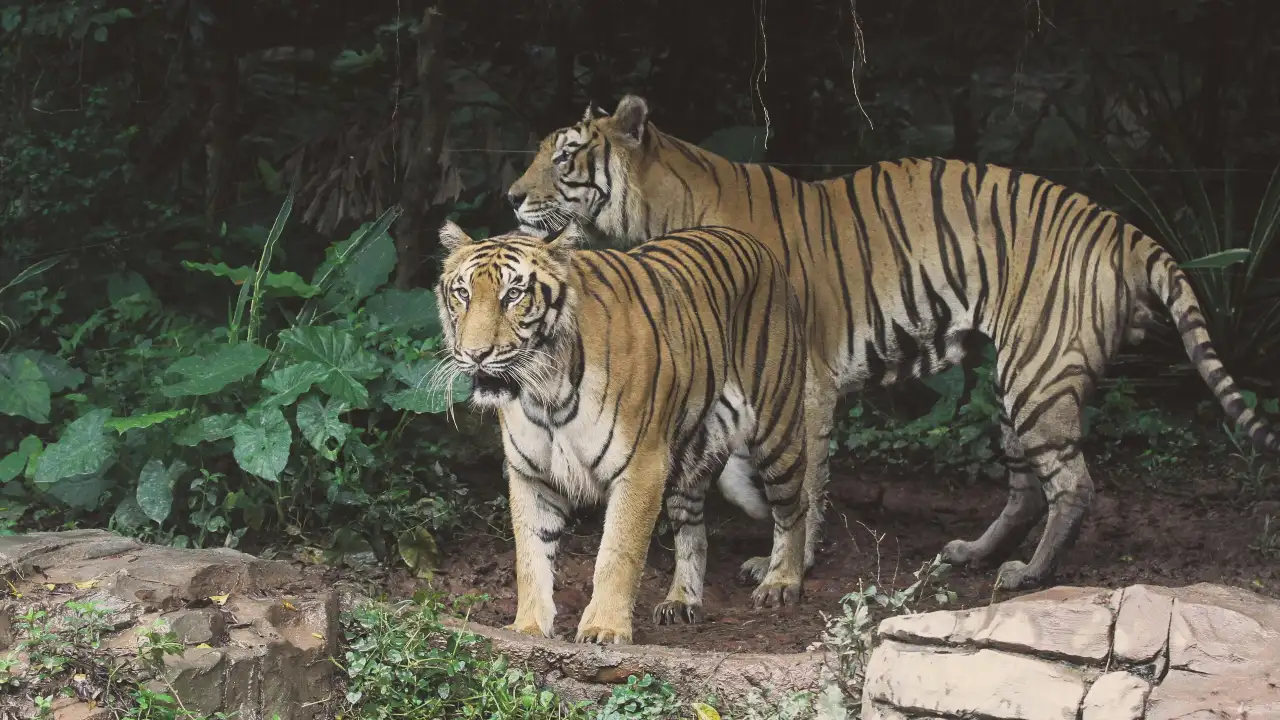
Uttarakhand, located at the foot of the Himalayas in India, is Jim Corbett National Park a well-known monument from wildlife that has attracted nature lovers and wildlife enthusiasts for decades. The park is rich with rich biodiversity, but best known as an important tiger reserve. People want to know how many tigers are there in Jim Corbett National Park? Investigation is important, assessing the health of the park’s ecosystem and actually assessing the success of tiger preservation efforts.
This larger blog will look into the population of the present-day tigers in Jim Corbett National Park, factors affecting the number, comparison with other reserves, ideal time and sites to view tigers, some travel tips, and some interesting destinations and routes nearby worth checking out.
Why Jim Corbett National Park is Important for Tigers
As it is the first national park in India, it was established in 1936 by the name Haley National Park. The park got its new name, ‘Jim Corbett National Park’, due to Jim Corbett’s efforts to save the Bengal tiger. Over 520 square kilometers of this park are covered in forests, river areas, marshes and meadows which make it ideal for tigers to live. If you wonder about how many tigers are in Jim Corbett National Park, you are really asking a main question about the park’s ecological balance. To maintain itself, the Bengal tiger must have strong fishing grounds and a good forest because it is at the top of the food chain. As a result, the rise in the tiger population is the main sign that both conservation work and the whole ecosystem are progressing well.
The Current Tiger Population in Jim Corbett National Park
According to the modern-day reputable TIGER People published via the National Tiger Conservation Authority (NTCA) and the Wildlife Institute of India (WII) in 2018, Jim Corbett National Park and the close by wooded forest areas have an estimated 215 to 250 Bengal Tigers. This discern makes it one of the largest tiger populations registered in the same blanketed vicinity in India.
Census Scientific techniques, including digicam traps, pugmark tracking, and genetic evaluation of scat samples, were organized using clinical methods, which guarantee dependable and accurate results. The presence of such a massive tiger population in Jim Corbett National Park sheds light on the fulfillment of strict conservation efforts and the rich ecosystem inside the park.
Answers to the question how many tigers are there in Jim Corbett National Park, with these numbers it clearly indicate the importance of the park in the Tiger Conservation Scenario in India.
How Accurate is This Number?
Counting tigers in nature isn’t a smooth achievement. Tigers are lonely and elusive creatures, and dense forests offer sufficient coverage to stay hidden. However, modern-day wildlife studies employs sophisticated strategies to properly estimate tiger numbers.
Use of digicam networks – automatic cameras induced by means of motion – allows researchers seize snapshots of individual tigers, which should be diagnosed with their unique striped sample. These pics are analyzed to keep away from double-counting. DNA samples gathered from Tiger Scat (FECES) additionally allow affirm private identification.
Therefore, while number 215 to 250 is an estimate, this is the most scientific answer to the question of how many tigers are there in Jim Corbett National Park.
Factors That Have Contributed to the Tiger Population Growth
The increasing tiger numbers in Jim Corbett National Park are a result of multiple combined efforts:
1. Stringent Anti-Poaching Measures
The Park Management and Forest Department has implemented anti-hanging patrolling, causing a significant reduction in tiger illegal activities. This has enabled the Tiger population to stabilize and grow.
2. Habitat Restoration and Protection
Work on restoring humiliated forest areas and maintaining water bodies has ensured sufficient hunting accessibility and appropriate houses for tigers. This has helped maintain a healthy Hunter-Shikar balance.
3. Community Engagement
Local communities around the park have been involved in conservation awareness programs. Reducing human-pocket book combat through educational and compensation schemes for the loss of livestock promotes better coexistence.
4. Ecotourism Support
Responsible ecotourism has provided financial resources for conservation by educating visitors on tiger preservation. This model helps maintain continuous support for conservation programs.
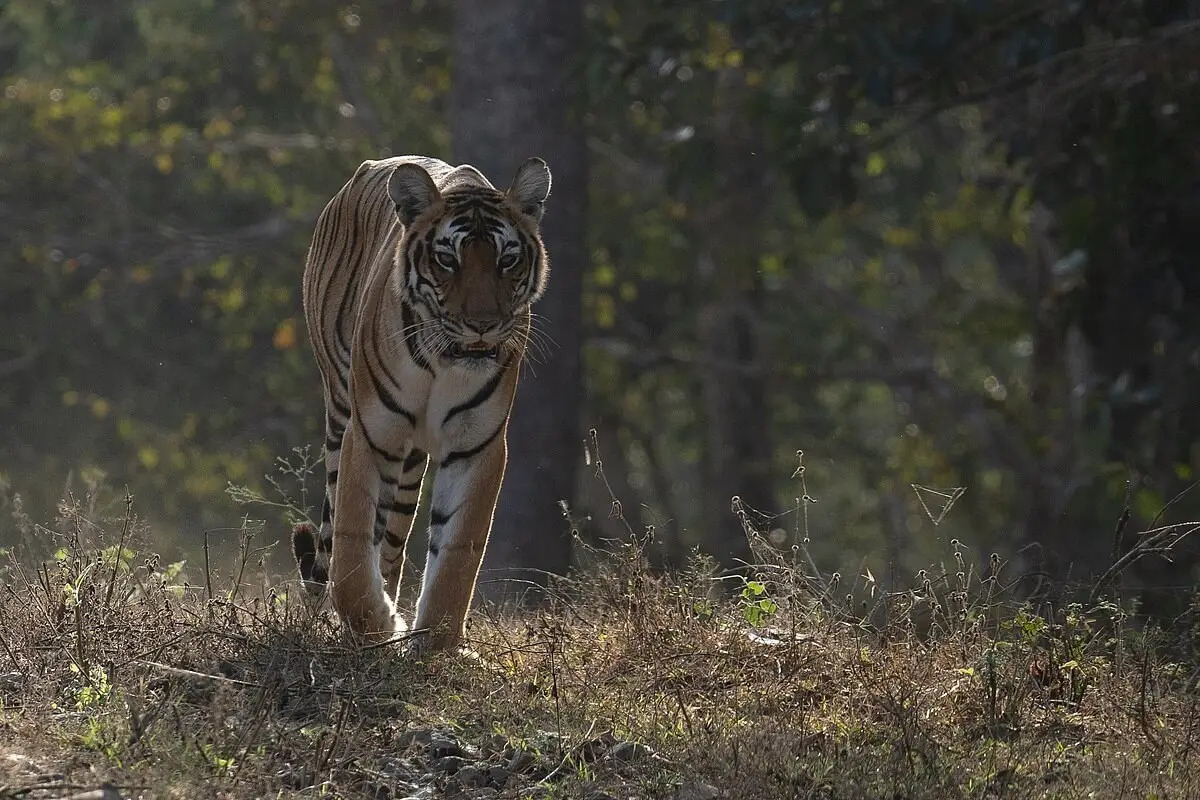
How Many Tigers Are There in Jim Corbett National Park Compared to Other Tiger Reserves?
If you are curious about how many tigers are there in Jim Corbett National Park compared to other reserves, here is a brief overview:
- Ranthambore National Park in Rajasthan has about 70-80 tigers.
- Bandhavgarh National Park in Madhya Pradesh is home to roughly 100-110 tigers.
- Kanha National Park has around 80-90 tigers.
- Sundarbans Tiger Reserve, with its unique mangrove habitat, has about 100-120 tigers.
Because of its high tiger population, Jim Corbett has a significant effect on Bengal Tiger Conservation. It’s not complicated to reach this park if you want to catch a glimpse of them in nature.
Best Time and Zones to Spot Tigers in Jim Corbett National Park
Travelers were curious about how many tigers are there in Jim Corbett National Park because sighting these creatures was their main wish. The dry season which lasts from November to June, is the best time for a tiger safari. Because the water is scarce at this time, it becomes easier to spot a tiger.
Popular zones for tiger spotting include:
- Dhikala Zone: Known as the “heart” of the park, Dhikala offers excellent tiger sighting opportunities due to its rich habitat.
- Bijrani Zone: Another well-known zone with frequent tiger sightings and diverse wildlife.
- Jhirna Zone: Open all year, this zone is popular for visitors wanting a longer safari season.
- Durga Devi Zone: Famous for its picturesque river views and good tiger sighting chances.
Choosing your safari zone wisely enhances the chances of spotting the majestic Bengal tiger.
Challenges in Conserving Tigers at Jim Corbett
While the park has been successful in increasing its tiger population, some challenges remain:
Human-Wildlife Conflict
Villagers living near park boundaries sometimes face crop damage or livestock predation by tigers or other carnivores. This conflict can lead to retaliation unless properly managed.
Poaching and Illegal Trade
Although poaching has reduced significantly, the illegal wildlife trade still threatens tigers. Continuous vigilance is required to keep these threats at bay.
Environmental Changes
Climate change and human-induced habitat alteration may affect prey availability and forest health, indirectly impacting tiger populations.
Tips for Visitors Planning a Trip to Jim Corbett National Park
If you’re planning a visit and curious about how many tigers are there in Jim Corbett National Park, here are some tips for making the most of your trip:
- Book safaris well in advance, especially in popular zones like Dhikala.
- Follow all park guidelines to ensure safety and minimize disturbance to wildlife.
- Consider combining your wildlife trip with visits to other nearby cultural and historical sites.
Nearby Attractions and Travel Information
Your visit to Jim Corbett can be part of a larger travel itinerary including interesting places and routes nearby.
- For those traveling from or to Amritsar, a stay at Hotel Grand Hridey Amritsar is a comfortable and budget-friendly option.
- Don’t miss visiting the Ram Tirath Temple Amritsar, a serene place with mythological significance.
- If you plan to cross borders for pilgrimage, knowing the Amritsar to Kartarpur Sahib distance (approximately 24 km) is useful for planning.
- For tourists interested in witnessing the iconic Wagah border ceremony, understanding the amritsar to wagah border distance (around 28 km) helps in scheduling.
- Amritsar is also famous for its shopping, so exploring things to buy in amritsar like phulkari embroidery, juttis (traditional footwear), and local spices is a great way to experience local culture.
- If you’re traveling from Delhi after your wildlife adventure, keep in mind the delhi to ranthambore distance (approximately 400 km), which can help you plan a tiger safari at another famous reserve.
Conclusion
how many tigers are there in Jim Corbett National Park? India’s tiger manifests a perspective of wonder upon the perspective on conservation ever so successful. In the ranges 215-250, Jim Corbett is an important stronghold for the Royal Bengal Tiger. The ample tiger population in the park is a testament to effective conservation policy, habitat protection, and participation in society.
The park is renowned for having giant big cats and it is an excellent place to discover the importance of caring for different species for balance.
People who enjoy nature, enjoy science or love nature travel will appreciate a visit to Jim Corbett National Park.
FAQ’s
How many tigers are in Jim Corbett?
Jim Corbett National Park has the highest number of tigers among India’s tiger reserves, with an estimated population of more than 260 Bengal tigers. This makes it a popular destination for wildlife enthusiasts.
How many leopards are in Jim Corbett National Park?
While Jim Corbett National Park is known for his tiger population, there is no easily accessible, accurate figure available for leopard numbers in the park. However, it is important to note that leopards are found in the park and diverse wildlife is part of the ecosystem.
Are tigers visible in Jim Corbett?
The Dhikala region is the most popular area in Jim Corbett National Park and the best area to discover a tiger in its natural habitat. A landscape with open grasslands, river ducts and forest trees, the Dhikala region is the home of many wild animals.
Which national park has the highest number of tigers?
Jim Corbett National Park has the highest number of tigers in India, making it a prime destination for wildlife enthusiasts. As part of Project Tiger, it shelters over 250 tigers, the largest population among all national parks. Its dense forests, grasslands, and rivers create the perfect habitat for these majestic big cats. Tourists visiting Jim Corbett can experience thrilling safaris and enjoy unparalleled opportunities to witness the Royal Bengal Tiger in its natural environment.
How many leopards are there in Jim Corbett National Park?
Jim Corbett National Park is home to a healthy population of leopards, estimated to be over 150. These elusive predators thrive in the park’s diverse landscapes, from dense forests to rocky terrains and river valleys. Though harder to spot than tigers, leopards play a vital role in maintaining ecological balance. Visitors on safari often get a chance to glimpse these magnificent cats, adding excitement and diversity to the Corbett wildlife experience.
Which is the 2nd largest tiger reserve in India?
The Nagarjunsagar-Srisailam Tiger Reserve in Andhra Pradesh is the second largest tiger reserve in India, covering around 3,728 square kilometers. Nestled in the Nallamala Hills, it is known for its rugged terrain, deep valleys, and rich biodiversity. Home to tigers, leopards, sloth bears, and diverse birdlife, it offers a unique wilderness experience. Its vast expanse and ecological significance make it a vital sanctuary for wildlife conservation and a paradise for nature lovers.
Leave a Reply